





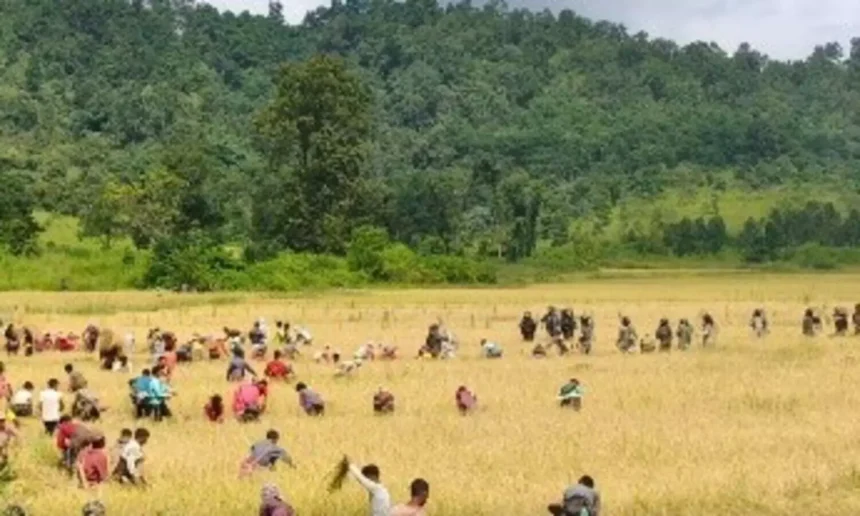
Assam Meghalaya Border Tensions resurfaced after fresh friction erupted between local communities in the Lapangap area despite ongoing high-level border negotiations between the two states. The latest development raised concerns regarding stability in sensitive border regions and highlighted the continuing complexity of the long-standing interstate dispute.
Meanwhile, local residents and community representatives expressed concern over rising unease in the area as authorities monitored the evolving situation. Furthermore, the incident triggered renewed debate regarding land claims, administrative control, and conflict management along disputed border zones.
Religious Stipends Discontinued Under Welfare Shift
Assam Flood Alert as Brahmaputra Water Rises
Fresh Friction Reported In Lapangap
Local sources reported renewed tension between communities in the Lapangap border region, an area that has previously witnessed disputes linked to territorial claims and administrative jurisdiction. According to residents, disagreements escalated despite ongoing diplomatic engagement between Assam and Meghalaya authorities.
Meanwhile, security personnel and district officials reportedly increased monitoring in the area to prevent further escalation. Several community members additionally appealed for restraint and peaceful dialogue to avoid confrontation between local groups.
The Assam Meghalaya Border Tensions issue therefore regained public attention amid concerns that isolated incidents could affect broader peace efforts between the two neighboring states.
Border Talks Continue Despite Ground-Level Issues
Senior officials from Assam and Meghalaya continue holding discussions aimed at resolving pending interstate border disputes through dialogue and mutual understanding. Both state governments have repeatedly emphasized peaceful negotiation as the preferred approach for resolving contested areas.
Meanwhile, observers noted that local-level tensions occasionally emerge even during formal political and administrative negotiations. Several analysts additionally stated that ground realities involving land usage, community identity, and resource access often complicate the peace process.
Authorities therefore face the challenge of balancing long-term diplomatic discussions with immediate conflict management on the ground.
Communities Express Concern Over Stability
Residents in and around Lapangap expressed concern regarding the possibility of prolonged instability in the border region. According to local villagers, uncertainty over administrative boundaries and territorial claims continues affecting daily life in some areas.
Meanwhile, community leaders urged both state governments to strengthen communication and prevent misunderstandings between local populations. Several civil society groups additionally appealed for confidence-building measures to reduce public anxiety.
The Assam Meghalaya Border Tensions also reignited discussions regarding the impact of border disputes on livelihoods, agriculture, transportation, and local governance.
Security Presence Intensified In Sensitive Areas
Authorities reportedly strengthened security deployment and surveillance measures in sensitive locations following reports of renewed friction. Officials stated that maintaining peace and preventing escalation remain top priorities for district administrations and law enforcement agencies.
Meanwhile, police and local officials appealed to residents not to spread rumors or provocative information through social media and informal networks. Several administrative representatives additionally emphasized the importance of peaceful engagement between neighboring communities.
Security experts noted that quick administrative response often helps prevent isolated tensions from escalating into wider conflict in disputed border zones.
Historical Dispute Continues To Influence Region
The Assam Meghalaya Border Tensions stem from a long-standing interstate boundary dispute dating back decades. Several areas along the border remain contested due to differing historical interpretations of administrative boundaries and land ownership.
Meanwhile, both state governments have made efforts in recent years to resolve disputes through negotiation, regional committees, and high-level political dialogue. Observers additionally pointed out that some contested regions involve strong emotional and cultural attachment among local communities.
Consequently, even minor incidents in disputed areas can quickly attract political and public attention across both states.
Civil Society Groups Call For Dialogue
Community organizations, student bodies, and local leaders urged peaceful dialogue following reports of fresh friction in Lapangap. According to civil society representatives, maintaining communication between neighboring communities remains essential for preventing mistrust and escalation.
Meanwhile, peace advocates emphasized the importance of avoiding inflammatory rhetoric during sensitive situations linked to border disputes. Several groups additionally encouraged both governments to accelerate conflict resolution mechanisms and local coordination efforts.
Observers therefore stressed that community participation may play a key role in preserving long-term peace in disputed border regions.
Political Attention Returns To Border Issue
The latest developments in Lapangap brought renewed political focus to the unresolved border issue between Assam and Meghalaya. Political observers noted that incidents in disputed regions often generate pressure on state governments to strengthen negotiation and enforcement strategies.
Meanwhile, opposition leaders and regional organizations called for transparent communication regarding administrative measures and border management policies. Several analysts additionally stated that stable border relations remain important for regional cooperation and public trust.
The Assam Meghalaya Border Tensions may therefore continue influencing political discussions and administrative planning in both states.
Authorities Urge Calm Among Residents
Officials from both states appealed to residents to maintain calm and cooperate with law enforcement agencies during the ongoing situation. Authorities stressed that peace and public safety remain essential while discussions and monitoring efforts continue.
Meanwhile, administrative teams reportedly maintained contact with community representatives and local organizations to prevent escalation. Several officials additionally stated that dialogue-based conflict management remains the preferred approach for handling border-related concerns.
Public attention therefore remained focused on how both governments respond to the latest tensions in the sensitive Lapangap region.
Conclusion
Assam Meghalaya Border Tensions intensified again after fresh friction emerged between local communities in the Lapangap region despite ongoing high-level border negotiations. Furthermore, the incident highlighted the continuing sensitivity of disputed border areas and the challenges facing peace-building efforts between the two states. As authorities strengthen monitoring and dialogue initiatives, residents continue hoping for long-term stability and peaceful resolution of interstate disputes.
FAQs
Where did the fresh border tensions occur?
The latest friction was reported in the Lapangap area along the Assam-Meghalaya border.
What is the focus keyphrase of this topic?
Assam Meghalaya Border Tensions is the focus keyphrase related to the incident.
Are Assam and Meghalaya currently holding border talks?
Yes, both states are engaged in ongoing high-level discussions to resolve border disputes peacefully.
Why are border disputes continuing in the region?
The disputes involve historical boundary disagreements, land claims, and administrative jurisdiction issues.
How did authorities respond to the situation?
Authorities increased security monitoring and appealed for peace and restraint among local communities.
What are civil society groups demanding?
Civil society groups are urging peaceful dialogue, confidence-building measures, and stronger coordination between communities.