


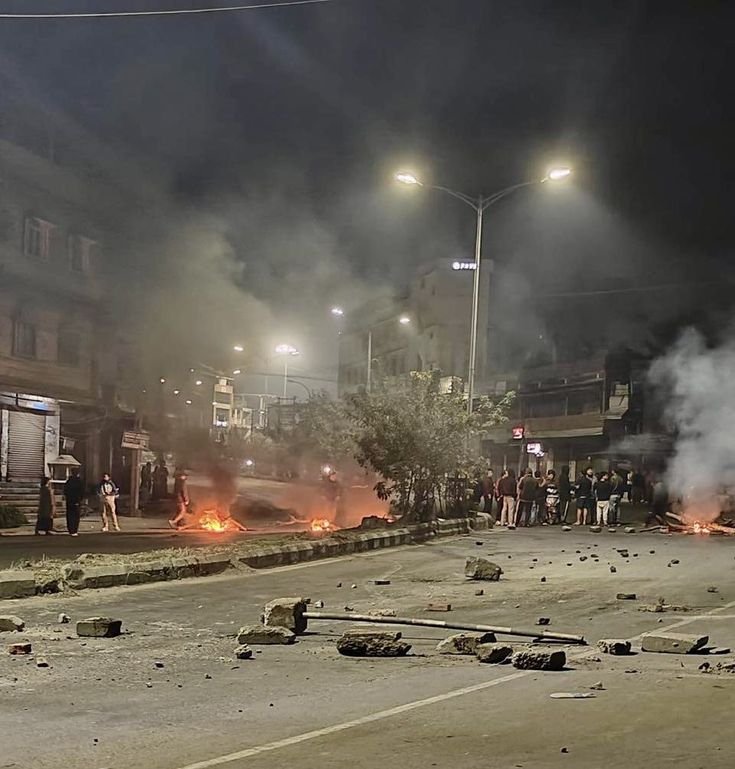
A disturbing Manipur viral self-immolation video has ignited public anger across the conflict-torn state. Captured during recent protests in Imphal, the footage shows two young men attempting to set themselves on fire using petrol in front of government offices. Bystanders and security forces managed to stop them just in time. However, the emotional and political shockwaves continue to ripple across the Northeast.
The video spread quickly before being removed from major platforms. Its circulation has exposed the intensity of frustration among youth over the prolonged violence, lack of justice, and government inaction.
The Manipur Viral Video and Its Impact
This viral self-immolation video in Manipur emerged during fresh protests calling for the release of community leaders detained last week. The protestors had gathered in Imphal’s high-security zone when two of them poured petrol on themselves and tried to light a match.
The incident was caught on camera by an eyewitness and shared on X (formerly Twitter), Instagram, and Telegram. It was viewed over 500,000 times before social media platforms flagged it for violating self-harm guidelines. Still, the incident shocked the state, especially the youth who feel increasingly unheard.
Internet Curbs Fail to Stop Video’s Spread
Despite an internet blackout across five districts, the Manipur self-immolation video made its way to thousands through offline-sharing tools like Xender and ShareIt. This incident proves that government-imposed digital blackouts cannot stop content from circulating when public sentiment is at boiling point.
The blackout, which began following protests in Imphal East and Thoubal, was meant to curb misinformation and incitement. Yet, the video’s viral spread underlines how citizens bypass censorship using alternative tech channels.
The Manipur viral self-immolation video continues to fuel discussions on news forums and platforms like EastMojo and The Wire, with experts warning about increasing radicalization among youth.
What Prompted the Desperate Act?
The individuals in the viral self-immolation video reportedly belong to a protest group affiliated with Arambai Tenggol, a youth-led civil outfit demanding justice for community violence victims.
Local reports suggest that the protestors wanted to send a strong message to the authorities about the depth of their desperation. Analysts and activists believe the act is symbolic of the growing emotional toll on the state’s population, particularly its youth.
Dr. R.K. Ningthoujam, a psychiatrist based in Imphal, remarked, “This was not just a protest. It was a cry for help, for justice, for healing.”
State Response to the Manipur Viral Video
Following the uproar over the viral protest video, Manipur Chief Minister N. Biren Singh condemned the incident but urged protestors to refrain from life-threatening demonstrations. He stated that a formal inquiry would be conducted to determine whether the act was staged or a genuine suicide attempt.
The Information and Public Relations Department also released an advisory to media outlets, asking them not to circulate sensitive content that may incite further unrest.
Civil Society and Mental Health Experts React
The Manipur self-immolation video has sparked concern among civil society organizations, many of which are calling for mental health interventions. The North East Network and Human Rights Alert have urged the government to offer psychological counseling and trauma support to communities deeply affected by the violence.
“These videos aren’t just going viral—they’re a warning signal,” said Babina Laishram, a social worker from Thoubal. “The youth are desperate, and ignoring them will only push them toward more extreme measures.”
READ MORE: Slow Loris Rescue in Ledo: Assam Wildlife Conservation
Public Pressure for Accountability
Citizens across the state are demanding answers from both the state and central governments. The self-immolation protest video has intensified calls for open dialogue, restoration of peace, and justice for affected communities.
If pressure continues to mount, the state might see increased involvement from national human rights commissions and mental health task forces. The people of Manipur are not only seeking an end to violence but a path to reconciliation and long-term stability.