



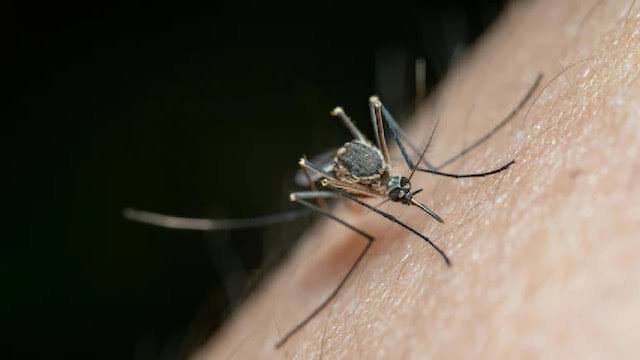
Medical and veterinary teams have reportedly been deployed across standing-water zones to strengthen surveillance and control measures against the risk of Japanese Encephalitis (JE) outbreaks. The coordinated response comes as stagnant water following flooding can create conditions that increase mosquito breeding and raise public-health concerns.
The deployment brings health and veterinary personnel into areas where standing water remains present. Moreover, early surveillance can help authorities identify potential risks and strengthen preventive measures before infections increase.
The reported operation highlights the importance of coordinated public-health action after flooding. However, the available information does not specify the number of teams deployed, the locations covered, or whether any confirmed JE outbreak has occurred.
Meghalaya Forms Multi-Departmental Taskforce to Deliver Flags
Medical Teams Enter Standing-Water Zones
Medical teams have reportedly been deployed to areas affected by stagnant water.
Their work can support health surveillance, public awareness, and early identification of people who develop symptoms requiring medical attention. Furthermore, field teams can help communicate preventive measures to residents living near mosquito-breeding areas.
The deployment reflects a precautionary approach to post-flood health risks.
However, specific details about the field activities have not been provided.
Veterinary Teams Join the Response
Veterinary personnel have also reportedly joined the operations.
Japanese Encephalitis involves an ecological cycle that includes mosquitoes and certain animals, particularly pigs and birds. Additionally, veterinary surveillance can contribute to understanding potential transmission risks in areas where mosquito populations increase.
The involvement of veterinary teams therefore adds an important One Health dimension to prevention efforts.
However, the exact veterinary surveillance activities underway remain unclear.
Standing Water Can Increase Mosquito Breeding
Flooding can leave pools of stagnant water across residential and rural areas.
Some mosquito species can breed in standing water, increasing concerns about mosquito-borne diseases. Moreover, residents may encounter greater mosquito exposure when stagnant water remains near homes, farms, and public spaces.
Removing or managing breeding sites can therefore support prevention.
However, not every standing-water area necessarily creates the same level of disease risk.
Japanese Encephalitis Requires Early Prevention
Japanese Encephalitis is a mosquito-borne viral disease that can cause serious neurological illness.
Preventive public-health measures focus on reducing mosquito exposure and identifying potential infections early. Furthermore, vaccination programmes in eligible areas can provide an important layer of protection where health authorities recommend them.
Early intervention can help reduce the potential impact of outbreaks.
However, only health authorities can determine the actual level of JE risk in a particular location.
Surveillance Becomes Important After Flooding
Post-flood conditions can create new public-health challenges.
Health teams can monitor disease patterns and investigate unusual increases in fever or other concerning symptoms. Additionally, field surveillance can help authorities identify areas that require stronger mosquito-control measures.
This approach can support faster public-health responses.
However, surveillance findings from the reported deployment have not been provided.
Community Awareness Supports Prevention
Residents can play an important role in reducing mosquito exposure.
Health officials may encourage communities to remove standing water around homes, use appropriate mosquito protection, and seek medical care when concerning symptoms develop. Moreover, public awareness can help households understand why mosquito-control measures matter after flooding.
Community participation can strengthen official interventions.
However, residents should follow guidance from local health authorities rather than rely on unverified information.
Veterinary Monitoring Has Wider Value
Veterinary surveillance can complement human health monitoring.
Because Japanese Encephalitis involves mosquitoes and animal hosts, monitoring animal populations can help health authorities better understand environmental risks. Furthermore, coordination between medical and veterinary teams can support more comprehensive disease prevention.
This integrated approach can improve preparedness.
However, the reported deployment does not establish that an outbreak has already occurred.
Mosquito Control Remains Important
Authorities can use multiple measures to reduce mosquito populations and breeding opportunities.
These measures may include environmental management, targeted vector-control activities, and public awareness campaigns. Additionally, communities can support prevention by reducing unnecessary standing water around homes and public areas.
Such measures can help lower mosquito exposure.
However, specific control methods used in the affected zones have not been detailed.
Flood Recovery Includes Health Protection
Health protection remains an important part of disaster recovery.
Flooding can increase risks from contaminated water, mosquito-borne diseases, injuries, and disrupted healthcare access. Moreover, restoring sanitation and reducing stagnant water can support healthier conditions as communities recover.
The reported JE response therefore forms part of a broader public-health effort.
However, the wider health situation in the affected areas remains unclear.
Vaccination Can Provide Protection
Vaccination represents an important preventive tool against Japanese Encephalitis in areas where health authorities recommend it.
Eligible populations can receive vaccines through government health programmes and designated medical facilities. Furthermore, vaccination works alongside mosquito-control and personal-protection measures rather than replacing them.
Health authorities determine vaccination recommendations based on local risk.
However, the available information does not indicate whether any new vaccination campaign accompanies the reported deployment.
Coordination Between Departments
The involvement of medical and veterinary wings highlights the need for coordinated disease prevention.
Public-health officials can combine human disease surveillance with veterinary and environmental information. Additionally, coordinated communication can help identify areas where mosquito-control resources may provide the greatest benefit.
Such collaboration can strengthen emergency preparedness.
However, the specific agencies involved have not been identified.
What Happens Next?
Medical and veterinary teams are expected to continue monitoring standing-water zones and supporting preventive measures.
Authorities may increase surveillance if health teams identify elevated risks. Moreover, public-health departments could expand mosquito-control activities or vaccination efforts where local assessments justify additional intervention.
Continued monitoring will remain important as floodwaters recede.
However, no confirmed outbreak has been established by the information provided.
Conclusion
The reported vector-borne disease control operation has brought medical and veterinary teams into standing-water zones to strengthen prevention against potential Japanese Encephalitis transmission. The deployment reflects the importance of early surveillance and coordinated action after flooding creates conditions that can support mosquito breeding.
Moreover, combining human health monitoring with veterinary surveillance can strengthen a broader One Health approach. At the same time, mosquito control, community awareness, environmental management, and appropriate vaccination remain important components of disease prevention.
Overall, the Japanese Encephalitis prevention effort represents a precautionary public-health response aimed at reducing disease risks as flood-affected communities recover.
FAQs
1. Why have medical teams been deployed?
Medical teams have reportedly entered standing-water areas to strengthen surveillance and preventive health measures.
2. Why are veterinary teams involved?
Veterinary surveillance can support monitoring of the ecological factors associated with Japanese Encephalitis transmission.
3. Does standing water automatically mean a JE outbreak?
No. Standing water can create mosquito-breeding opportunities, but it does not by itself confirm a Japanese Encephalitis outbreak.
4. How can communities reduce mosquito risks?
Residents can follow local health guidance, reduce unnecessary standing water around homes, and use appropriate mosquito-protection measures.
5. Has a Japanese Encephalitis outbreak been confirmed?
The available information does not confirm an outbreak. It describes a preventive and surveillance response to potential risk.