





Meghalaya Assam taxi dispute is set to move into a fresh round of talks, with the Meghalaya government planning a meeting with Assam transport authorities and tourist taxi representatives by September 10.
The proposed meeting follows a temporary suspension of an agitation by Meghalaya tourist taxi associations over the movement of Assam-registered vehicles. The decision came after Deputy Chief Minister Sniawbhalang Dhar met representatives of taxi bodies in Shillong on August 23.
The dispute and the September 10 meeting
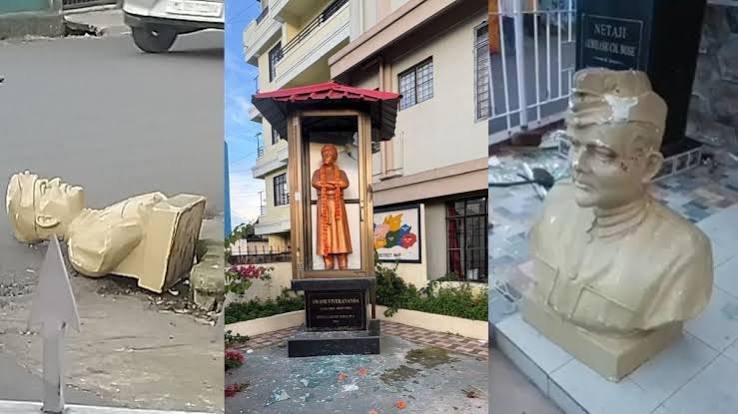
The Meghalaya Assam taxi dispute intensified after violence during a Khasi Students’ Union rally in Shillong on August 19. Several Assam-registered vehicles were damaged during the unrest. In response, Assam-based drivers and transport groups blocked roads leading towards Meghalaya, while Meghalaya taxi operators later restricted the movement of Assam tourist vehicles.
The disruptions affected tourist and commercial transport between the neighbouring states. However, talks between officials helped ease the immediate standoff.
On August 22, Dhar and Assam minister Atul Bora held a joint government meeting in Guwahati. Officials agreed to create district-level joint committees to address day-to-day issues along the inter-state border. They also agreed to form a transport-level committee involving officials and tourist vehicle associations.
Taxi operators raise long-standing concerns
The Meghalaya Assam taxi dispute is not limited to the recent unrest. During the August 23 meeting, Meghalaya taxi associations raised concerns about difficulties faced by their drivers while travelling to Guwahati and other parts of Assam.
These concerns include parking-related problems and fines, according to Dhar. He said the associations had raised issues that had continued for months or years and described their concerns as genuine.
Therefore, the proposed September meeting is expected to focus on practical transport problems as well as the need for smoother movement between the two states. Representatives of tourist taxi associations from both sides are expected to take part.
Agitation suspended until September 10
Following the meeting, Meghalaya tourist taxi associations agreed to resume normal movement and suspend their agitation until September 10. The arrangement allows tourist and commercial vehicles to operate between Assam and Meghalaya while the governments work towards a longer-term solution.
Dhar said the state would continue discussions with Assam and that a decision would be taken after the September 10 meeting. The date and venue of the proposed meeting had not yet been finalised.
Meanwhile, the easing of restrictions is aimed at restoring normal movement for drivers, tourists and other travellers. The disruption had affected a key road connection between Assam and Meghalaya and created uncertainty for people dependent on inter-state transport.
Compensation and safety remain key issues
The Meghalaya Assam taxi dispute also includes concerns over vehicles damaged during the August 19 violence. Dhar said the government would deal with compensation according to law and had sought details of damaged vehicles from both Assam and Meghalaya.
Safety remains another important concern for transport operators. The recent restrictions were introduced amid allegations of harassment and concerns over the security of drivers travelling across the state border.
However, authorities have stressed the need to restore peace and allow vehicles to move freely. The proposed transport-level discussions are intended to provide a channel for addressing future problems before they lead to fresh disruptions.
Seeking a lasting transport arrangement
The Meghalaya Assam taxi dispute has highlighted the importance of coordination between the two neighbouring states, particularly as tourist traffic depends heavily on road connectivity.
Moreover, the planned meeting could help both sides establish clearer arrangements for tourist vehicles operating across the border. The transport committee agreed upon by the two governments may also help deal with operational issues and protect shared tourism interests.
For now, the suspension of the agitation provides temporary relief to travellers and transport operators. Beyond the immediate dispute, both sides will need regular coordination on permits, parking, enforcement and driver safety. The September 10 discussions will be important in determining whether the two states can turn the current understanding into a more stable system for inter-state tourist and commercial vehicle movement. Such measures could reduce uncertainty for tourists, operators and local businesses that rely on dependable road links.