



Meghalaya has cleared multiple micro-hydro power projects aimed at supplying electricity to 45 remote off-grid hamlets across the state. The initiative is designed to improve rural electrification in difficult terrain where grid expansion remains challenging. Moreover, officials stated that the projects will provide clean, reliable, and decentralised energy solutions for isolated communities. The decision marks a significant step in strengthening renewable energy access in remote regions.
Arunachal State Transport Department Introduces 50 New Eco-Friendly Electric Buses
Decentralised Hydropower to Boost Rural Electrification
Meghalaya micro-hydro projects get clearance to provide power to 45 remote off-grid hamlets, focusing on decentralised electricity generation in rural areas. Consequently, small-scale hydro systems will be installed in suitable water streams across hilly regions.
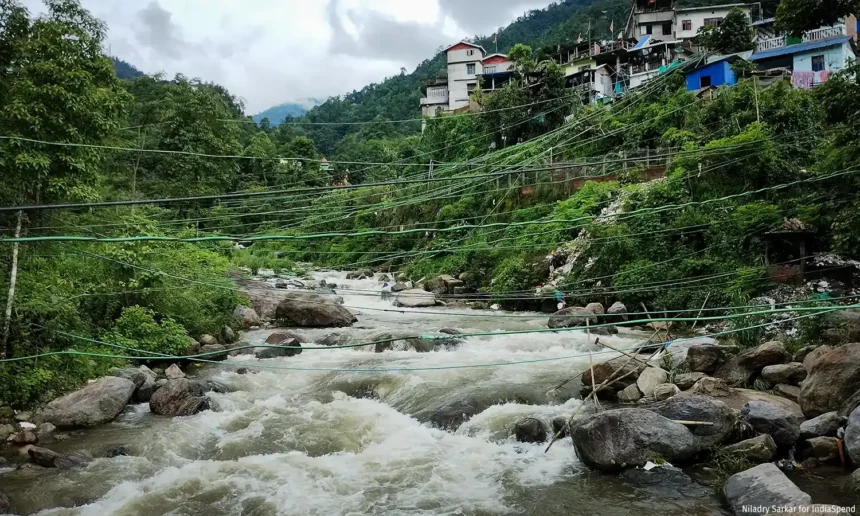
These micro-hydro units are designed to generate electricity using natural water flow without large-scale infrastructure. Moreover, they are ideal for Meghalaya’s terrain, which is rich in streams and rainfall-fed rivers. Therefore, they offer a sustainable alternative to conventional grid expansion.
Officials highlighted that many remote hamlets still lack reliable electricity access due to geographical constraints. Furthermore, extending transmission lines to such areas is often cost-intensive. As a result, micro-hydro solutions are being prioritised.
Meanwhile, site surveys are being conducted to identify optimal installation locations. Consequently, implementation planning has been fast-tracked.
Clean and Sustainable Energy for Remote Communities
Meghalaya micro-hydro projects get clearance to provide power to 45 remote off-grid hamlets while promoting clean energy adoption. Moreover, these systems generate electricity without burning fossil fuels. Therefore, they contribute to reducing carbon emissions.
The projects are expected to provide consistent power supply for essential needs such as lighting, education, and small-scale economic activities. Consequently, living standards in remote villages are likely to improve.
Furthermore, decentralised systems reduce dependency on large power grids. As a result, energy security in isolated regions is strengthened.
Meanwhile, local communities are being engaged in project planning and maintenance training. Similarly, capacity-building initiatives are being introduced.
Boost to Rural Development and Livelihood Opportunities
Meghalaya micro-hydro projects get clearance to provide power to 45 remote off-grid hamlets, supporting broader rural development goals. Moreover, access to electricity is a key driver of economic growth. Therefore, the initiative is expected to create multiple livelihood opportunities.
Reliable power supply can support small businesses such as food processing and handicrafts. Consequently, income generation in rural areas may increase. Such developments contribute to poverty reduction.
Furthermore, electrified hamlets will benefit from improved digital connectivity. As a result, access to education and communication services will expand.
Meanwhile, local entrepreneurship is being encouraged through energy availability. Similarly, women-led self-help groups are expected to benefit.
Strengthening Renewable Energy Infrastructure in Meghalaya
The clearance of micro-hydro projects aligns with Meghalaya’s broader renewable energy strategy. Moreover, the state has significant hydro potential due to its natural topography. Therefore, small-scale hydro projects are being actively promoted.
Officials stated that decentralised renewable systems are more efficient for remote regions. Consequently, they reduce transmission losses and infrastructure costs. Such systems are also easier to maintain locally.
Furthermore, integration with other renewable sources is being explored. As a result, hybrid energy models may be developed in the future.
Meanwhile, long-term monitoring systems are being planned. Similarly, performance evaluations will guide future expansion.
Conclusion
Meghalaya micro-hydro projects get clearance to provide power to 45 remote off-grid hamlets, marking a major step toward improving rural electrification through sustainable energy solutions. Moreover, the initiative strengthens clean energy access in difficult terrain.
The projects are expected to improve livelihoods, education, and economic opportunities in remote communities. Therefore, they contribute to inclusive and environmentally friendly development.
As Meghalaya micro-hydro projects get clearance to provide power to 45 remote off-grid hamlets, it highlights the state’s commitment to renewable and decentralised energy solutions.
FAQs
1. What has been approved in Meghalaya?
Micro-hydro power projects for rural electrification.
2. How many hamlets will benefit?
45 off-grid hamlets.
3. What type of energy is used?
Small-scale hydropower from natural water streams.
4. What is the main benefit?
Reliable and clean electricity for remote areas.
5. Why is this important?
It supports rural development and renewable energy access.