

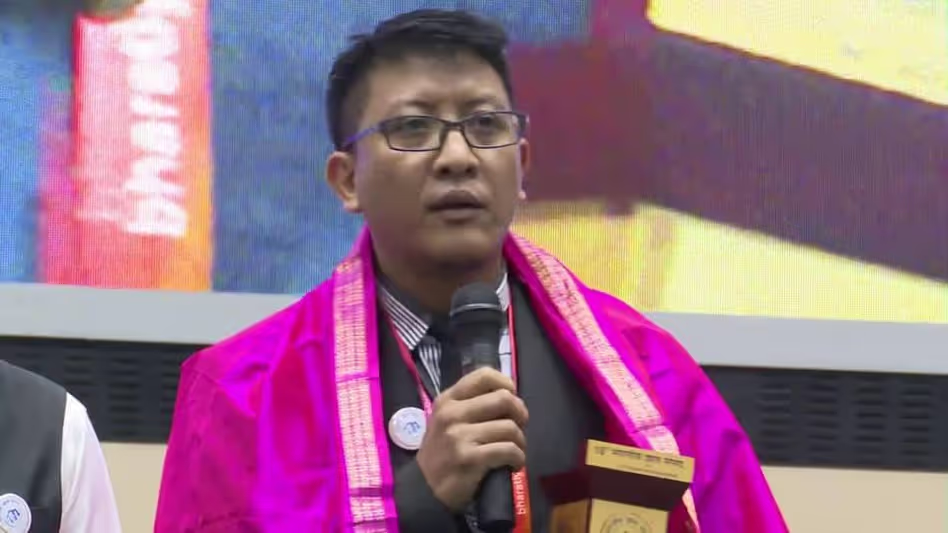




Mizoram has taken another step towards strengthening drug prevention in schools by holding a state-level consultation on the Draft Mizoram State School Drug Policy, 2026. School Education Minister Dr. Vanlalthlana chaired the meeting on November 28, bringing together officials from education, health, social welfare and anti-narcotics departments to review the proposed policy and work towards finalising it.
Assam Goods Train Derailment Strands 194 Mizoram-Bound Schoolchildren
State-Level Meeting Reviews Draft School Drug Policy
The November 28 consultation brought together key departments involved in education, student welfare, healthcare, rehabilitation and drug control. Their participation reflects the need for a coordinated approach to protect school students from substance abuse.
The School Education Department has been developing the policy to establish a clear framework for preventing drug use among students and supporting those affected by substance-related problems.
During the consultation, officials examined the draft and considered recommendations from earlier district-level discussions. These consultations have helped identify the needs of schools in both urban and rural areas.
The state-level meeting also provided an opportunity to review provisions that may require changes or additional measures before the policy moves forward.
According to reports from DD News Mizoram, officials discussed the draft prepared through earlier consultations and identified areas that need further revision. The proposed changes aim to make the policy more suitable for students across different parts of the state.
Why Mizoram Needs a Dedicated School Drug Policy
Drug abuse remains a serious concern for Mizoram, particularly because it can affect young people, their education and their long-term well-being.
Substance abuse can disrupt classroom participation, damage relationships and create mental and physical health challenges. Furthermore, students who experience addiction may face stigma and discrimination, making it harder for them to seek help.
A dedicated school drug policy aims to address these challenges through prevention, awareness, early intervention and rehabilitation.
Rather than treating every drug-related issue only as a disciplinary matter, the draft places importance on education and support. It seeks to create an environment where students can discuss their problems, receive appropriate guidance and continue their education.
The policy also aims to strengthen cooperation between schools, parents, government departments and organisations working in drug prevention.
Key Provisions Proposed Under the Draft Policy
Earlier district-level consultations outlined several important measures under the Draft Mizoram State School Drug Policy, 2026. These proposals focus on prevention, student participation, counselling and institutional monitoring.
Anti-Drug Committees in Schools
The draft proposes that every school establish an Anti-Drug Committee to coordinate prevention activities and monitor drug-related concerns.
These committees would meet at least once every three months. They could also encourage students to participate in awareness activities and promote a drug-free school environment.
The proposal seeks to make drug prevention a shared responsibility involving school authorities, teachers, students and parents.
Drug Awareness and Preventive Education
The policy emphasises regular awareness programmes to educate students about the harmful effects of tobacco, alcohol and other drugs.
It also proposes structured learning materials and a clear syllabus for drug-prevention education. Moreover, interactive activities and life-skills education could help students make informed decisions and resist harmful peer pressure.
Earlier consultations also highlighted the importance of extending awareness programmes to families. Parents play an important role in recognising warning signs and supporting children who face difficulties.
Counselling and Early Intervention
The draft gives importance to early identification of students who may be at risk of substance abuse.
It proposes screening and counselling mechanisms to help schools recognise concerns before they become more serious. Trained professionals could provide guidance and connect students with suitable support services.
Where individual schools lack enough counsellors, a cluster-based approach could allow trained professionals to support students across several institutions.
Rehabilitation Without Stigma
Another important aspect of the draft is its focus on rehabilitation and continued education.
Students affected by substance abuse should receive appropriate support rather than face unnecessary stigma. The draft also proposes arrangements that could help students continue their education, including transferring to another school where necessary.
This approach recognises that recovery requires sustained support from families, schools, healthcare providers and rehabilitation services.
Coordination Among Government Departments
The proposed policy recognises that schools cannot address substance abuse on their own. Effective prevention requires cooperation between departments responsible for education, health, social welfare and drug control.
The School Education Department will play a central role in implementing school-level measures. Meanwhile, health authorities can contribute medical support, counselling and treatment services.
Social welfare agencies and rehabilitation organisations can help students access appropriate assistance. Similarly, anti-narcotics authorities can support awareness initiatives and efforts to prevent the availability of prohibited substances around educational institutions.
Earlier district-level consultations also highlighted the importance of connecting school initiatives with existing drug-control mechanisms, including the National Mental Health and Rehabilitation Board and the National Coordination Committee for Drug Control.
The proposed coordination framework aims to ensure that schools can access wider government support when they encounter drug-related concerns.
Proposed Training and Implementation Timeline
The draft also outlines steps to strengthen the capacity of teachers and school staff.
One proposal calls for the development of a training module for teachers within eight months of the policy’s publication in the Official Gazette. This training would help teachers understand prevention, early intervention and the appropriate response to suspected substance abuse.
The draft also proposes that every school have a Health and Wellness Ambassador or counsellor within one year of the policy’s publication.
In addition, the proposed framework would undergo a review every five years. This provision could help authorities assess its effectiveness and introduce changes based on emerging challenges.
These timelines remain proposals under the draft policy and will depend on its final approval and publication.
Earlier District Consultations Help Shape the Policy
Before the November 28 state-level meeting, officials held consultations in several districts to gather recommendations from local stakeholders.
In August 2026, Kolasib and Serchhip districts discussed the draft policy. Participants examined ways to strengthen prevention, counselling, school monitoring and cooperation with parents.
The Serchhip consultation also highlighted the need for trained professional counsellors and stronger links between schools and existing drug-control organisations.
Similarly, Saitual district held a consultation on September 1, 2026. Officials discussed administrative arrangements, funding requirements and the inclusion of relevant legal provisions, including the Mizoram Liquor (Total Prohibition) Act, 2019.
These discussions helped bring district-level concerns into the wider policy process. The state-level consultation on November 28 provided another opportunity to examine the recommendations and refine the proposed framework.
Reports from EastMojo provide details of the August district consultations and the policy’s proposed prevention and support measures.
What Happens After the Consultation?
The November 28 meeting represents an important stage in the preparation of Mizoram’s school drug policy. However, the draft’s discussion and revision process should not be confused with formal approval or implementation.
Authorities will need to incorporate the recommendations, complete the policy framework and follow the required approval process before schools can implement its provisions.
Once approved, the policy could provide schools with clearer guidelines for prevention, counselling, monitoring and rehabilitation.
Its success will also depend on adequate funding, trained personnel and regular cooperation among government departments, school management committees, parents and community organisations.
Conclusion
The Draft Mizoram State School Drug Policy, 2026, seeks to create safer learning environments through prevention, awareness, counselling and rehabilitation. The state-level consultation chaired by Dr. Vanlalthlana on November 28 brought together departments with an important role in protecting students from substance abuse.
Moreover, the earlier district consultations have helped identify practical measures for schools across Mizoram. If authorities approve and implement the policy effectively, it could strengthen the state’s response to drug-related challenges among students while ensuring that affected children receive support without stigma.
Frequently Asked Questions
1. What is the Draft Mizoram State School Drug Policy, 2026?
It is a proposed framework designed to prevent substance abuse among school students through awareness, early intervention, counselling, rehabilitation and coordination among government departments.
2. Who chaired the state-level consultation on November 28?
School Education Minister Dr. Vanlalthlana chaired the state-level consultation meeting.
3. Which departments participated in the consultation?
Officials from education, health, social welfare and anti-narcotics departments participated in the meeting.
4. What are the key proposals under the draft policy?
The proposals include Anti-Drug Committees in schools, regular awareness programmes, counselling, early intervention, teacher training and support for students affected by substance abuse.
5. Will every school have a counsellor under the proposed policy?
The draft proposes that every school have a Health and Wellness Ambassador or counsellor within one year of the policy’s publication in the Official Gazette.
6. Has the Mizoram State School Drug Policy, 2026, received final approval?
The November 28 meeting focused on reviewing and refining the draft. Formal approval and implementation will depend on the completion of the required process.