




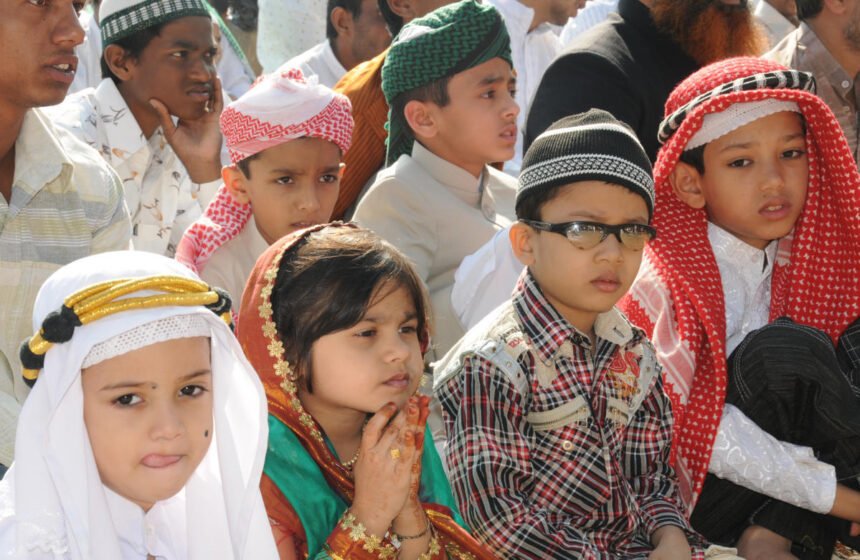
In a display of communal harmony and respect for the sanctity of the temple town, Muslims residing in Badrinath, Uttarakhand, have voluntarily decided to celebrate Bakrid, one of the significant festivals in Islam, in the neighboring town of Joshimath. This decision was made during a meeting held between members of the minority community, priests, and contractors engaged in the reconstruction projects at the Himalayan temple.
Badrinath, renowned as one of the major Char Dham pilgrimage sites, attracts a significant number of visitors each year. The town is currently undergoing various reconstruction and renovation activities to enhance the overall infrastructure and visitor experience. Many of the individuals involved in these projects are migrant laborers from the minority community.
Recognizing the need to ensure religious harmony and maintain the solemn atmosphere in Badrinath, the community members, along with the local police authorities, came to a collective decision that the Bakrid namaz (prayer) would be offered in Joshimath, located approximately 40 km away from Badrinath. This proactive measure aimed to avoid any potential disruptions or conflicts during the festival while preserving the sanctity of the revered temple town.
K.C. Bhatt, the Station House Officer (SHO) of Badrinath police station, expressed that the decision to relocate the Bakrid celebrations was made unanimously and that there were no objections to offering namaz outside Badrinath as a mark of reverence. The local police played a facilitative role in organizing the meeting and ensuring the smooth transition of the celebrations to Joshimath.
This gesture of goodwill and respect by the Muslim community in Badrinath highlights their commitment to fostering peaceful coexistence and maintaining the religious harmony that has long been an integral part of the town’s ethos. By moving the Bakrid celebrations to a nearby town, they not only acknowledge the importance of preserving the religious significance of Badrinath but also demonstrate their willingness to adapt and accommodate the needs of the larger community.
The decision reflects the spirit of inclusivity and unity that has characterized the region for centuries, as people from various faiths and backgrounds have coexisted peacefully in this pilgrimage site. It also exemplifies the respect and understanding that exists among different religious groups, emphasizing the idea that religious practices can be adjusted to maintain harmony without compromising individual beliefs.
This considerate act by the Muslim community in Badrinath sets a powerful example for communities across the country and beyond. It serves as a reminder that in a diverse and multicultural society, mutual respect and accommodation are key to nurturing harmonious relationships and fostering an environment of tolerance and acceptance.
Furthermore, the cooperation between the Muslim community, local authorities, priests, and contractors involved in the reconstruction projects showcases the unity and collective responsibility in preserving the cultural heritage of Badrinath. It emphasizes the shared commitment to maintaining the tranquility of the temple town and ensuring that religious festivities can be enjoyed by all while upholding the sanctity of the revered site.
As Bakrid approaches, the residents of Badrinath and Joshimath eagerly anticipate celebrating the festival in an atmosphere of peace and harmony. The collaborative decision to relocate the prayers demonstrates the unwavering bond that exists between the diverse communities in the region, transcending religious boundaries and strengthening the fabric of social cohesion.
In a time where divisions and misunderstandings can sometimes overshadow the shared values that bind communities together, the actions of the Muslim community in Badrinath serve as a shining example of unity, respect, and religious coexistence. Their choice to celebrate Bakrid in Joshimath exemplifies the true spirit of India’s diversity, where people from different faiths come together to honor and respect each other’s religious practices, fostering an environment of mutual understanding and harmony.