




Nagaland Hornbill Festival economy witnessed record-breaking growth after authorities confirmed a sharp rise in tourism revenue, handicraft sales, and local business activity during the latest edition of the cultural event in Nagaland. The annual festival attracted thousands of domestic and international visitors, significantly benefiting artisans, performers, and small enterprises across the region. Meanwhile, officials stated that the event has become one of Northeast India’s most influential cultural and economic tourism platforms.
Kolkata Metro Green Line Expands Under River
West Bengal Rural Women Scheme Expands Entrepreneur Support
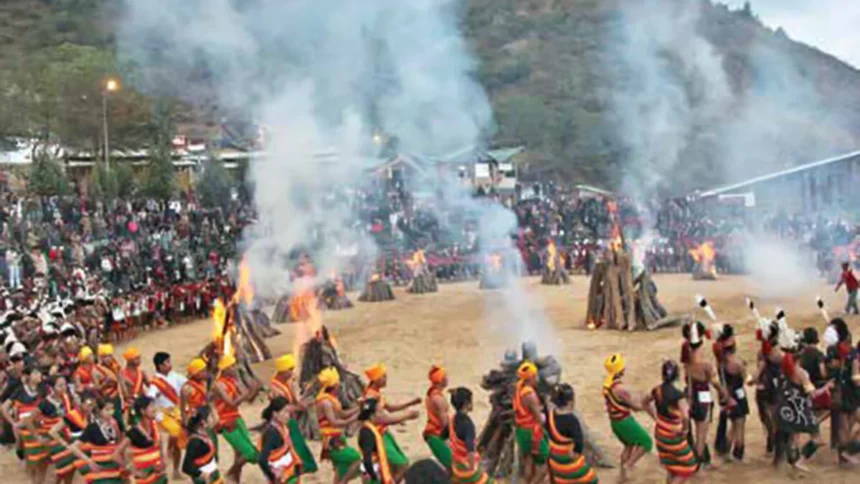
Festival Draws Massive Tourist Participation
Authorities confirmed that visitor turnout increased substantially during this year’s Hornbill Festival celebrations held near Kohima. Additionally, tourism officials reported strong demand for accommodations, transport services, and local cultural experiences throughout the festival period.
The annual event featured traditional performances, indigenous cuisine exhibitions, handicraft markets, and tribal cultural showcases. Consequently, local vendors and artisans experienced significant commercial activity during the multi-day celebrations. Earlier, festival organizers expanded promotional campaigns targeting both domestic travelers and international cultural tourism audiences.
Officials from the Nagaland Tourism Department stated that the festival continues strengthening the state’s tourism profile nationwide. Furthermore, authorities indicated that tourism-driven economic activity exceeded previous annual estimates during the latest event cycle.
Local Artisans Report Strong Sales Growth
Several artisan groups confirmed record-breaking sales involving handwoven textiles, bamboo products, woodcraft items, jewelry, and traditional decorative products. Meanwhile, local entrepreneurs described the festival as a crucial income-generating opportunity supporting rural creative industries.
The Nagaland Hornbill Festival economy also benefited from increased demand for indigenous food products and cultural merchandise. Specifically, artisans from multiple tribal communities showcased handcrafted goods representing regional cultural traditions. In addition, visitors reportedly purchased large quantities of locally produced handicrafts throughout the festival marketplace areas.
Business associations stated that small-scale artisans often rely heavily on tourism festivals for annual commercial visibility. Therefore, strong visitor participation may improve financial stability for many rural households involved in traditional crafts production. Furthermore, organizers introduced digital payment systems and expanded marketplace facilities to support growing commercial activity.
Several vendors also highlighted rising interest from buyers outside Northeast India seeking authentic handcrafted products. However, some artisan groups requested stronger logistical support for transporting products to major urban markets after the festival concludes.
Government Highlights Cultural And Economic Importance
Senior representatives from the Ministry of Tourism attended cultural events alongside officials from the Nagaland Tourism Department. Meanwhile, authorities described the festival as an important platform for preserving indigenous heritage while supporting economic development.
Officials explained that cultural tourism can strengthen employment opportunities across hospitality, transport, handicrafts, and event management sectors. Specifically, festival-driven tourism activity may encourage investment in local infrastructure and small business development. In addition, economic analysts believe cultural festivals increasingly contribute to regional tourism economies across Northeast India.
Several tribal organizations also praised the festival for promoting traditional heritage among younger generations. Despite this, cultural experts stressed the importance of maintaining authenticity while expanding commercial tourism activities. Authorities responded by reaffirming commitments toward community-led cultural preservation initiatives.
Hospitality And Tourism Sectors Experience Expansion
Hotels, homestays, restaurants, and transportation operators across Kohima and nearby districts reportedly experienced exceptionally high demand during the festival season. Additionally, tourism businesses indicated that advance bookings increased significantly compared to previous years.
Transportation officials explained that improved road connectivity and digital tourism promotion campaigns contributed to rising visitor numbers. As a result, tourism operators expect long-term growth in Nagaland’s cultural tourism sector. Furthermore, travel agencies introduced specialized festival tourism packages aimed at domestic and international travelers.
Tourism experts noted that the Hornbill Festival has gradually evolved into a major economic driver for Nagaland’s service industry. Therefore, continued tourism expansion may encourage broader infrastructure investment in hospitality and urban development projects.
Meanwhile, local youth organizations participated actively in festival operations involving cultural coordination, security support, and tourism assistance services. Authorities stated that such involvement also created temporary employment opportunities during the event period.
Indigenous Cuisine And Cultural Tourism Gain Attention
The Nagaland Hornbill Festival economy also expanded through growing interest in indigenous cuisine and traditional culinary experiences. Additionally, food vendors reported strong demand for local dishes, organic produce, and tribal cooking demonstrations during festival activities.
Officials highlighted that culinary tourism has become increasingly important within regional tourism promotion strategies. Consequently, authorities may introduce future programs supporting traditional food entrepreneurship and local agricultural branding initiatives. Furthermore, tourism planners believe indigenous cuisine could strengthen Nagaland’s broader tourism identity nationwide.
Cultural researchers also emphasized the festival’s role in preserving oral traditions, music, dance, and indigenous craftsmanship. Meanwhile, educational institutions and cultural organizations conducted workshops and exhibitions during the celebrations to promote heritage awareness among visitors.
Several international tourists reportedly attended tribal performances and craft exhibitions during the event. In addition, tourism officials stated that foreign visitor interest continues increasing steadily every year.
Infrastructure And Event Management Improvements Introduced
Authorities confirmed that festival organizers expanded infrastructure and security arrangements to manage larger visitor crowds effectively. Additionally, officials introduced improved sanitation facilities, traffic management systems, and digital information services during the event.
Event planners stated that operational upgrades helped improve crowd movement and visitor convenience throughout major festival venues. Consequently, authorities reported smoother coordination compared to earlier editions of the cultural celebration. Furthermore, emergency response teams and medical units remained deployed across key festival areas.
Infrastructure experts noted that large cultural events often influence long-term urban planning and tourism investment decisions. Therefore, continued festival success may encourage future upgrades involving roads, accommodation facilities, and event venues in Nagaland.
Meanwhile, local residents welcomed increased tourism activity because many small businesses depend on seasonal visitor spending. However, some community groups requested stronger waste management systems during future editions of the festival.
Future Cultural Tourism Plans Continue
Government officials confirmed that authorities are reviewing proposals aimed at expanding cultural tourism promotion beyond the festival season. Specifically, planners continue evaluating heritage circuits, village tourism projects, and artisan support programs linked to indigenous communities.
Experts believe cultural tourism will remain central to Nagaland’s long-term economic development strategy. Moreover, festivals celebrating indigenous traditions may strengthen regional identity while generating sustainable income opportunities for local communities.
The Nagaland Hornbill Festival economy milestone represents a major achievement for cultural tourism development in Northeast India. Ultimately, officials expect the festival to continue supporting artisans, strengthening tourism growth, and promoting Nagaland’s indigenous heritage on a wider global stage.
FAQs
What is the Hornbill Festival in Nagaland?
Hornbill Festival is an annual cultural event showcasing tribal traditions, handicrafts, music, food, and performances in Nagaland.
How did local artisans benefit from the festival?
Artisans reported strong sales involving textiles, handicrafts, jewelry, bamboo products, and traditional cultural items during the event.
Why is the festival economically important?
The festival supports tourism, hospitality, transportation, and small business sectors while generating income for local communities.
Where is the Hornbill Festival organize?
The event takes place near Kohima and attracts visitors from across India and abroad.
How does the festival promote cultural heritage?
The celebrations feature tribal performances, indigenous cuisine, craft exhibitions, and cultural workshops preserving traditional heritage.
What does Nagaland Hornbill Festival economy mean for Northeast India?
Nagaland Hornbill Festival economy growth may strengthen cultural tourism, artisan markets, and regional economic development across Northeast India.