




Sikkim smart grid renewable transformation reached a historic milestone after Sikkim reportedly became the first Indian state to achieve full smart grid integration powered entirely through renewable energy systems. The development marks a significant advancement in India’s clean energy transition strategy and highlights Sikkim’s growing role in sustainable infrastructure innovation. Meanwhile, government officials stated that the achievement could serve as a national model for future renewable energy modernization projects.
Nagaland Hornbill Festival Boosts Local Artisan Economy
Assam Semiconductor Plant Launches Massive Tech Employment
State Completes Full Renewable Smart Grid Transition
Authorities confirmed that the smart grid system now manages electricity distribution across multiple districts using renewable energy sources and advanced digital monitoring technology. Additionally, officials explained that the upgraded infrastructure improves power efficiency, grid stability, and real-time energy management capabilities.
The project reportedly integrates hydroelectric power, solar energy systems, and automated energy distribution mechanisms into a unified operational network. Consequently, energy officials expect reduced transmission losses and improved electricity reliability throughout the state. Earlier, several remote areas experienced periodic supply disruptions because of difficult terrain and aging infrastructure systems.
Officials from the Sikkim Power Department stated that the modernization initiative aligns with India’s broader clean energy objectives. Furthermore, planners indicated that digital grid technologies may support long-term energy sustainability and disaster response management in mountainous regions.
Government Highlights National Energy Significance
Senior representatives from the Ministry of Power attended the announcement event alongside state energy officials in Gangtok. Meanwhile, authorities described the development as a major milestone in India’s renewable energy expansion strategy.
Officials stated that smart grid systems allow faster monitoring of electricity demand and operational disruptions. Specifically, automated systems can quickly identify faults and improve energy distribution efficiency during peak consumption periods. In addition, energy analysts believe the project may encourage other Indian states to accelerate renewable grid modernization efforts.
Several environmental organizations welcomed the initiative because renewable energy infrastructure may reduce long-term dependence on fossil fuel-based electricity generation. However, energy experts emphasized the importance of maintaining grid resilience during extreme weather conditions. Despite this, officials stated that backup operational systems remain integrated into the network.
Advanced Technology Supports Energy Efficiency
The Sikkim smart grid renewable system includes digital substations, automated meter infrastructure, and advanced energy monitoring platforms. Additionally, authorities confirmed that engineers introduced artificial intelligence-supported load management systems to optimize electricity distribution.
Energy officials explained that smart grid technology allows real-time analysis of power demand across urban and rural sectors. As a result, authorities can improve operational efficiency and reduce unnecessary electricity losses. Furthermore, the system reportedly supports faster maintenance responses through automated fault detection mechanisms.
Technology experts stated that digital energy infrastructure has become increasingly important for modern power management systems worldwide. Therefore, Sikkim’s transition may attract national attention from renewable energy planners and policy researchers.
Meanwhile, local residents in several districts reported improved electricity reliability following infrastructure upgrades. Authorities also noted that digital monitoring systems could improve emergency response coordination during landslides, storms, and other natural disruptions.
Hydropower And Solar Energy Drive Operations
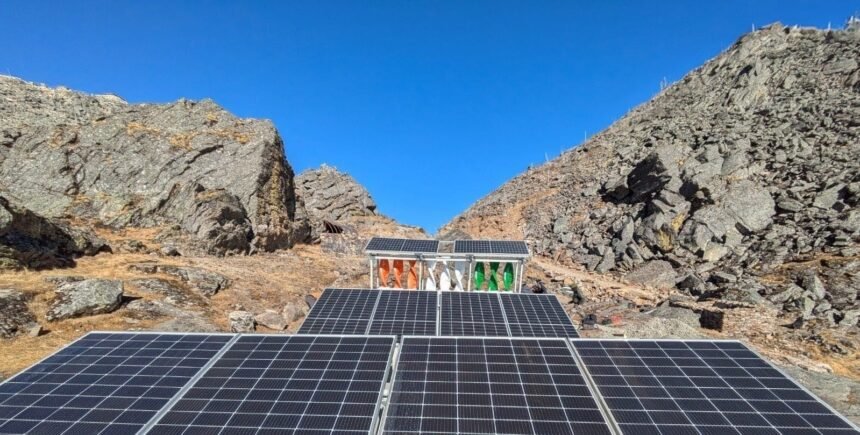
Officials confirmed that hydroelectric projects continue serving as the primary renewable energy source supporting the smart grid network. Additionally, solar energy installations now contribute supplemental electricity generation in selected regions across Sikkim.
The state’s mountainous geography and river systems have historically supported hydropower development activities. Consequently, authorities expanded renewable integration efforts using existing hydroelectric infrastructure. Furthermore, planners introduced distributed solar systems to strengthen grid flexibility and improve local energy generation capacity.
Environmental experts stated that renewable energy systems may help reduce carbon emissions linked to conventional power production. In addition, sustainability analysts observed growing investment interest in renewable infrastructure projects throughout Northeast India and Himalayan states.
Earlier, the government launched several green energy initiatives focused on clean transportation, sustainable tourism, and low-emission infrastructure development. At the same time, national policymakers encouraged states to adopt modern energy management technologies.
Economic And Environmental Benefits Expected
Authorities believe the Sikkim smart grid renewable initiative may generate long-term economic and environmental advantages for the state. Additionally, officials stated that efficient energy systems could reduce operational costs and strengthen energy security in remote mountain regions.
Business groups welcomed the project because stable electricity supply remains essential for tourism, healthcare, education, and digital services. Consequently, improved energy infrastructure may support broader economic activity and future investment opportunities. Furthermore, renewable energy development may encourage technology-focused employment growth within the region.
Environmental organizations also highlighted the potential reduction in greenhouse gas emissions linked to cleaner energy operations. Meanwhile, sustainability researchers noted that renewable-powered smart grids may improve climate resilience in ecologically sensitive mountain ecosystems.
Several academic institutions and technical agencies may study the project as a case example for future renewable energy planning. However, experts stressed that long-term maintenance and cybersecurity protections remain essential for advanced digital grid systems.
National And Regional Policy Impact Under Discussion
Energy policy experts believe the Sikkim model could influence future renewable energy strategies across India. Specifically, smart grid integration may become increasingly important as renewable electricity generation expands nationwide.
Officials indicated that other northeastern states may evaluate similar modernization programs based on Sikkim’s operational experience. Moreover, national energy planners continue discussing broader renewable infrastructure targets linked to India’s climate commitments.
Transportation and infrastructure analysts also stated that reliable renewable energy systems may support electric mobility expansion and digital infrastructure growth. Therefore, clean energy modernization could influence multiple development sectors beyond electricity distribution alone.
Meanwhile, international climate policy observers welcomed the achievement as a positive example of regional renewable energy transition efforts. Authorities stated that future upgrades and operational reviews would continue as energy demand patterns evolve.
Long-Term Renewable Expansion Plans Continue
Government officials confirmed that additional renewable infrastructure projects remain under consideration across Sikkim. Specifically, authorities are reviewing proposals involving battery storage systems, advanced transmission upgrades, and expanded solar deployment.
Experts believe clean energy investments will remain central to future development planning in Himalayan states. Furthermore, renewable infrastructure modernization may improve environmental sustainability while supporting economic resilience in geographically challenging regions.
The Sikkim smart grid renewable achievement represents a major milestone for India’s energy sector. Ultimately, officials expect the project to strengthen clean energy adoption, improve power efficiency, and encourage broader renewable modernization initiatives across the country.
FAQs
What is the Sikkim smart grid renewable project?
The initiative involves a fully integrated smart electricity grid powered entirely through renewable energy systems in Sikkim.
Which renewable energy sources support the grid?
Hydroelectric power and solar energy installations currently serve as the primary renewable energy sources within the system.
Why is the project important for India?
Officials stated that the achievement may become a national model for renewable energy modernization and digital grid management.
How does smart grid technology improve electricity services?
Smart grids use digital monitoring systems to improve energy efficiency, fault detection, and electricity distribution management.
Which organization manages the energy initiative?
The Sikkim Power Department oversees the renewable smart grid infrastructure with support from national energy authorities.
What does Sikkim smart grid renewable mean for future energy policy?
Sikkim smart grid renewable development may encourage wider renewable integration and smart energy infrastructure planning across India.