





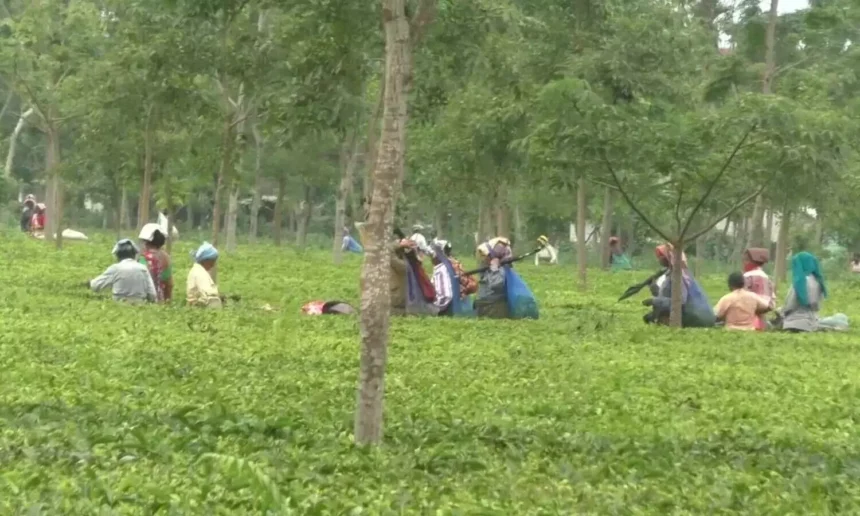
North Bengal Tea Gardens Revival has gained attention after the state government announced renewed efforts to reopen and rehabilitate closed tea estates across northern districts of West Bengal. The initiative aims to protect the livelihoods of thousands of tea garden workers who have faced prolonged unemployment due to the shutdown of several estates over the years.
Officials stated that the revival plan focuses on restoring production, improving financial stability of gardens, and ensuring wage security for workers dependent on the tea industry. The move is expected to impact key tea-producing regions including Darjeeling foothills, Jalpaiguri, and Alipurduar.
Activist Garga Chatterjee Arrested Over EVM Claims
BSF Border Fencing Land Transfer Approved in Bengal
Government Moves to Restore Closed Tea Estates
Authorities have started identifying closed and abandoned tea gardens for phased revival through public-private partnership models. The government aims to attract new investors and experienced tea producers to restart operations in non-functional estates.
The North Bengal Tea Gardens Revival initiative includes financial restructuring, land assessment, and evaluation of plantation conditions. Officials said they will prioritize gardens with strong agricultural potential and existing worker settlements.
In addition, the state is reviewing legal and administrative issues linked to earlier closures, including financial mismanagement and declining productivity.
Focus on Worker Livelihood Protection
Tea garden workers have suffered heavily from plantation closures because many families depend entirely on estate wages. Therefore, the revival plan aims to restore stable employment and protect minimum wages for affected workers.
The North Bengal Tea Gardens Revival strategy also includes healthcare support, housing assistance, and wage stabilization during the transition period. Labor departments will coordinate with tea garden management to ensure fair employment practices.
Meanwhile, trade unions welcomed the initiative and stressed the need for long-term solutions to prevent repeated economic uncertainty.
Tea Industry’s Importance in North Bengal
The tea industry plays a major role in the economy of northern West Bengal. It contributes significantly to employment, exports, and regional trade. Areas such as Darjeeling are globally famous for premium tea varieties.
As a result, the North Bengal Tea Gardens Revival initiative could strengthen the regional economy by restoring production and supporting local trade networks. Experts also noted that revived tea estates may boost tourism, especially tea tourism in hill regions.
Economists added that stable tea production can improve rural incomes and strengthen supply chains connected to domestic and international markets.
Public-Private Partnership Model Takes Center Stage
The government plans to rely heavily on public-private partnerships for the revival process. Under this model, private companies will manage operations while the government provides regulatory support and worker protection.
The North Bengal Tea Gardens Revival program also offers incentives such as subsidies, infrastructure support, and simplified licensing procedures for investors. Officials believe private sector expertise can improve efficiency in tea cultivation and processing.
At the same time, authorities said they will introduce accountability measures to prevent future closures and ensure sustainable operations.
Challenges Remain for Revival Efforts
Despite positive developments, officials acknowledged several challenges. These include land disputes, aging plantations, and financial liabilities linked to closed estates. Some tea gardens also require extensive rehabilitation before restarting production.
Therefore, authorities will implement the North Bengal Tea Gardens Revival plan in phases after conducting detailed assessments of each estate. Experts also stressed the need for modernization through better irrigation systems, replantation of tea bushes, and improved supply chain infrastructure.
Labor specialists further emphasized that consistent wages and worker welfare will remain essential for long-term stability.
Stakeholders Express Hope and Caution
Trade unions, local communities, and industry representatives have largely welcomed the announcement. Many workers expressed hope that the government will finally resolve long-pending closures through structured intervention.
At the same time, the North Bengal Tea Gardens Revival initiative has attracted attention from tea industry analysts who believe the plan could improve production quality and market competitiveness.
However, some stakeholders urged authorities to maintain transparency in investor selection and implementation procedures.
Conclusion
The North Bengal Tea Gardens Revival initiative marks an important step toward restoring livelihoods and strengthening one of West Bengal’s most important industries. By reopening closed estates, improving worker welfare, and encouraging private investment, the government aims to restore economic stability across the region. Overall, the initiative could play a major role in reshaping the future of North Bengal’s tea economy.
FAQs
What is the North Bengal tea garden revival plan?
It is a government initiative to reopen and restore closed tea estates in northern West Bengal.
Why is the revival needed?
Many tea gardens have closed, affecting worker livelihoods and local economies.
Which areas are affected?
Darjeeling foothills, Jalpaiguri, and Alipurduar regions are key focus areas.
How will gardens be revived?
Through public-private partnerships and financial restructuring.
What benefits will workers receive?
Wages, healthcare support, and improved job opportunities.
What challenges exist in the plan?
Land issues, financial liabilities, and plantation rehabilitation needs.