


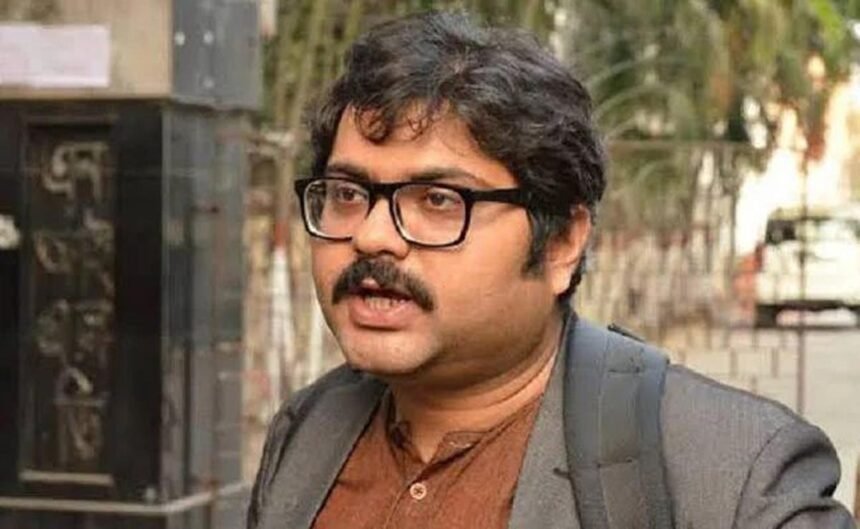
Garga Chatterjee Arrest EVM Case has triggered widespread political debate in West Bengal after police arrested activist Garga Chatterjee for allegedly spreading misinformation related to Electronic Voting Machines (EVMs) during the recent state polls. Authorities stated that the arrest followed complaints accusing him of circulating unverified claims that could influence public perception of the electoral process.
Officials confirmed that the case has been registered under relevant sections related to spreading false information and attempting to disrupt public order. The arrest has sparked reactions from political groups, civil society members, and legal experts across the state.
Guwahati Urban Flooding Disrupts City Traffic
Writers Buildings Secretariat Shift Sparks Optimism
Police Action Following Complaints
According to police officials, authorities arrested Garga Chatterjee after receiving multiple complaints alleging that he made statements and online posts questioning the integrity of Electronic Voting Machines (EVMs) without verified evidence. Investigators stated that they monitored these claims during the election period.
The Garga Chatterjee Arrest EVM Case gained attention after law enforcement agencies reviewed digital content, social media posts, and public remarks attributed to the activist. Authorities claimed that the material could potentially mislead voters during a sensitive electoral period.
Furthermore, police confirmed that the investigation remains ongoing and that officials are examining additional digital evidence to determine the scale of the alleged misinformation campaign.
Allegations of Spreading Misinformation
Authorities alleged that statements regarding EVMs circulated widely across social media platforms and created confusion among voters. Officials stressed that maintaining public trust in the electoral process remains essential for democratic stability.
As a result, the Garga Chatterjee Arrest EVM Case has become part of a wider national debate surrounding misinformation, digital accountability, and electoral integrity. Legal experts noted that citizens have the right to question institutions; however, spreading unverified claims during elections may attract legal consequences under existing laws.
Meanwhile, investigators stated that they are verifying the timeline, reach, and content of the alleged posts before submitting a detailed report before the court.
Political Reactions Intensify
The arrest has triggered strong reactions from political leaders, activists, and civil society groups. Supporters of Garga Chatterjee argued that the case raises concerns about freedom of speech and democratic expression. They also demanded transparency in the investigation and questioned the timing of the arrest.
On the other hand, several political representatives defended the police action. According to them, misinformation during elections can damage public trust and must be addressed strictly to protect democratic institutions.
Consequently, the Garga Chatterjee Arrest EVM Case has evolved into a politically sensitive issue in West Bengal, with debates continuing across television discussions and social media platforms.
Election Integrity and the EVM Debate
Electronic Voting Machines have remained a recurring topic of political debate in India for years. Although election authorities consistently maintain that EVMs are secure and reliable, allegations of malfunction or manipulation periodically emerge from different political groups.
Officials reiterated that the Election Commission of India follows strict security and transparency protocols during the voting process. They also emphasized that misinformation regarding EVMs can create unnecessary public confusion during elections.
Therefore, the Garga Chatterjee Arrest EVM Case has once again highlighted the importance of responsible communication during politically sensitive periods.
Legal Proceedings Continue
Police officials confirmed that authorities took the activist into custody for questioning and will present him before the court according to legal procedures. Investigators stated that the case will rely on digital evidence, witness testimony, and forensic examination of online activity.
At the same time, legal experts observed that misinformation-related cases often require careful judicial scrutiny to balance freedom of speech with public order and electoral stability. Ultimately, the outcome will depend on the strength of the evidence presented in court.
For now, the Garga Chatterjee Arrest EVM Case remains under active legal review.
Public Debate on Freedom of Expression
The arrest has also sparked broader debate among civil rights organizations and legal commentators regarding freedom of expression and the limits of online speech. Some groups warned that aggressive enforcement actions could discourage criticism, dissent, and open democratic discussion.
However, others argued that misinformation during elections can seriously affect democratic processes and therefore requires regulation and accountability. Because of this divide, the case has become part of a larger national discussion about digital responsibility and free speech.
As proceedings continue, the Garga Chatterjee Arrest EVM Case remains under close public and political observation.
Conclusion
The arrest of activist Garga Chatterjee over alleged misinformation related to EVMs has sparked intense political, legal, and public debate in West Bengal. While authorities argue that the action was necessary to prevent misinformation during elections, critics continue to raise concerns about free speech and democratic rights. The Garga Chatterjee Arrest EVM Case now remains under judicial scrutiny as investigators continue examining the alleged statements and their impact.
FAQs
Why was Garga Chatterjee arrested?
He was arrested for allegedly spreading misinformation about EVMs during the state elections.
What are EVMs?
EVMs are Electronic Voting Machines used for conducting elections in India.
What action has police taken?
Police registered a case and took the activist into custody for investigation.
Is the investigation ongoing?
Yes, authorities are reviewing digital evidence and statements.
Why is the case politically sensitive?
It involves election-related claims and debates over free speech and misinformation.
What happens next?
The accused will be produced before court and the case will proceed legally.