






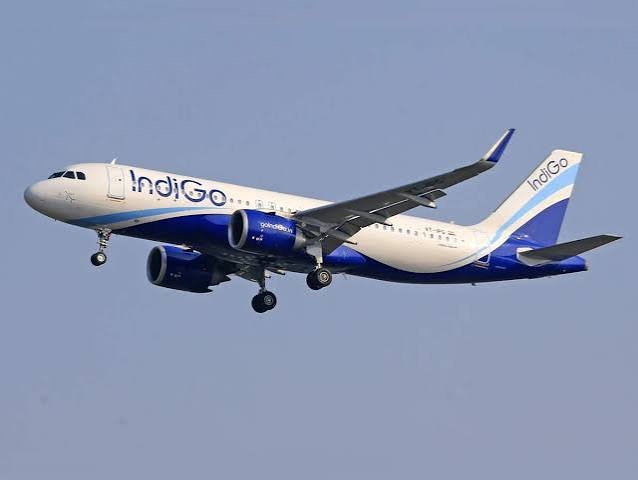
The Northeast Southeast Asia flights network is expanding as new international services strengthen connections between northeastern India and destinations across Southeast Asia. Guwahati is emerging as an important gateway, with IndiGo launching direct flights to Bangkok in October 2026. Meanwhile, Bhutan’s Drukair operates services linking Paro with Bangkok and Singapore through Guwahati. These developments give travellers more options for regional and international journeys. Furthermore, stronger air links could support tourism, trade, medical travel and cultural exchanges. However, the long-term impact will depend on passenger demand, affordable fares, flight frequency and reliable connections.
Tripura BJP Candidate List Finalised Ahead of ULB Polls
Guwahati–Bangkok Flights Strengthen International Connectivity
The launch of IndiGo’s direct Guwahati–Bangkok service marks an important development for Northeast India’s aviation network. The airline operated its inaugural flight on October 27, 2026, connecting Lokpriya Gopinath Bordoloi International Airport with Thailand’s capital.
IndiGo announced the route in September as part of its international expansion. The service also marked the airline’s first international operations from Guwahati and introduced a new direct international connection from Northeast India.
Following the inaugural flight, regular services are scheduled to operate twice a week, on Wednesdays and Saturdays, from October 31. The timetable lists flight 6E 1085 from Guwahati to Bangkok and flight 6E 1086 for the return journey. <Cite refs={[“turn245399search0″,”turn245399search14”]}/>
The new route offers travellers a direct option instead of relying on connecting flights through other cities. It can also help visitors from Thailand reach Assam more conveniently, subject to flight availability and onward transport.
Guwahati already serves as an important aviation hub for the eight northeastern states. Its domestic network connects passengers with major Indian cities, while international routes offer access to destinations beyond the country.
Consequently, the Bangkok connection could strengthen Guwahati’s role in regional travel. Passengers from Assam and neighbouring states may find it easier to plan journeys to Thailand. At the same time, international visitors gain another entry point for exploring Northeast India.
However, the service operates only twice a week under the announced schedule. Travellers therefore need to plan around operating days and confirm availability before making arrangements.
Drukair Expands Regional Connections Through Guwahati
Guwahati’s international role also benefits from services operated by Drukair, Bhutan’s national airline. In April 2026, the carrier reintroduced twice-weekly flights between Paro and Bangkok via Guwahati. It also added a third weekly frequency to its Singapore service through the city. <Cite refs={[“turn245399search5″,”turn245399search10”]}/>
These routes connect Bhutan with Southeast Asian destinations while providing another international travel option for passengers in Northeast India. The services also illustrate how Guwahati can function as a transit point within a wider regional network.
For travellers from Bhutan, the routes offer access to Bangkok and Singapore through an established regional connection. Meanwhile, passengers from Northeast India may benefit from the wider options available through these services, depending on ticketing arrangements and the conditions of each itinerary.
Bangkok serves as a major aviation and tourism centre in Southeast Asia. Singapore is also an important international transport and business hub. Connections to these cities can help passengers reach additional destinations through onward flights.
Nevertheless, travellers should distinguish between a direct flight and a service that includes a stop or transit point. IndiGo’s Guwahati–Bangkok route is non-stop, while Drukair’s Paro services travel via Guwahati.
The distinction matters when passengers compare journey times, fares and transfer requirements. They should also check whether their booking covers the full journey and whether they need to collect baggage or complete additional airport procedures during transit.
Together, these services expand the choices available for regional travel. Their long-term contribution will depend on consistent operations, competitive fares and sustained demand from passengers travelling for business, tourism and other purposes.
Tourism, Trade and People-to-People Exchanges Could Benefit
Improved air connectivity can create opportunities for tourism between Northeast India and Southeast Asia. Direct flights reduce the need for some travellers to take connecting routes, potentially making short trips easier to organise.
Assam has cultural attractions, wildlife destinations and tea-growing regions that may interest international visitors. Better international access could help tour operators promote these destinations to travellers arriving from Thailand and other markets.
Similarly, passengers from Northeast India gain another option for visiting Bangkok. The city serves as a gateway to Thailand’s tourism destinations and offers connections to other parts of the region.
Business travel could also benefit from stronger air links. Companies, traders and service providers often rely on convenient transport for meetings, market visits and professional exchanges. More accessible international routes can help reduce travel complexity, although commercial growth also depends on demand and wider economic conditions.
Medical travel and education are additional areas where international connectivity may prove useful. Passengers travelling for consultations, academic activities or family commitments could gain more itinerary options. However, the suitability of a route will depend on individual travel needs, costs and schedules.
Cultural exchanges may also grow as travel becomes more convenient. Tourism, community visits and professional interactions can strengthen links between people in Northeast India, Bhutan and Southeast Asia.
Even so, new routes alone cannot guarantee a rise in visitor numbers or trade. Tourism infrastructure, local transport, accommodation, visa requirements and destination awareness remain important. Airlines and tourism stakeholders will need to build on improved connectivity to create practical opportunities for travellers and businesses.
Guwahati’s Role in Northeast India’s Wider Aviation Strategy
Guwahati’s location makes it a useful connecting point between northeastern India and international destinations. The city already handles domestic traffic from across the region, while its international links are creating additional travel options.
The Bangkok service adds to the airport’s international network, following other international connections announced or introduced during 2026. IndiGo’s entry into international operations from Guwahati also signals a new stage in the airline’s regional network development. <Cite refs={[“turn245399search0″,”turn245399search9”]}/>
However, establishing a lasting international gateway requires more than launching routes. Airlines need sufficient passenger demand to sustain operations, while airports must provide dependable services and efficient passenger processing.
Flight frequency also affects the usefulness of a route. Twice-weekly services can provide a direct link, but travellers may need to adjust their plans around limited departure days. More frequent services could offer greater flexibility if passenger demand supports expansion.
For passengers travelling from other northeastern states, access to Guwahati remains another consideration. Road and domestic air connections must align with international departure times to make onward journeys practical.
The broader opportunity lies in connecting local destinations with regional and global travel networks. If airlines maintain reliable services and tourism providers develop suitable products, Guwahati could strengthen its role in facilitating movement between Northeast India and Southeast Asia.
For now, the new and restored routes represent concrete additions to the region’s international connections. Their wider economic impact will become clearer as passenger numbers, service continuity and travel demand develop over time.
Conclusion
Northeast India’s international aviation network gained another important connection with IndiGo’s launch of direct Guwahati–Bangkok flights on October 27, 2026. Regular services are scheduled twice a week from October 31. Drukair’s Bangkok and Singapore services via Guwahati also provide regional links connecting Bhutan with Southeast Asia. Together, these routes give passengers additional choices for international travel.
The new connections could support tourism, trade, medical travel and cultural exchanges. Guwahati’s domestic network may also help passengers from neighbouring states reach international flights. However, travellers must consider operating days, fares, transfer requirements and onward transport when planning journeys.
Looking ahead, reliable operations and sustained passenger demand will determine whether these routes expand their contribution to regional development. Better air links provide an important foundation, but wider benefits will also require tourism investment, efficient ground transport and coordination among airlines, airports and local businesses. Guwahati’s emerging role as an international gateway will depend on how effectively these elements work together.
FAQs
1. Which new direct international route has connected Northeast India with Southeast Asia?
IndiGo launched non-stop flights between Guwahati, Assam, and Bangkok, Thailand, on October 27, 2026.
2. How often do Guwahati–Bangkok flights operate?
Regular services are scheduled twice a week, on Wednesdays and Saturdays, from October 31, 2026. Passengers should confirm the latest timetable before booking.
3. How does Drukair connect Guwahati with Southeast Asia?
Drukair operates services between Paro and Bangkok via Guwahati and has added a third weekly frequency to its Singapore route via Guwahati.
4. How could these routes benefit Northeast India?
They could improve access to international destinations and support tourism, business travel, medical journeys and cultural exchanges.
5. Does better air connectivity guarantee increased tourism and trade?
No. New routes provide additional travel options, but actual growth depends on passenger demand, fares, reliable services, tourism facilities and wider economic conditions.