





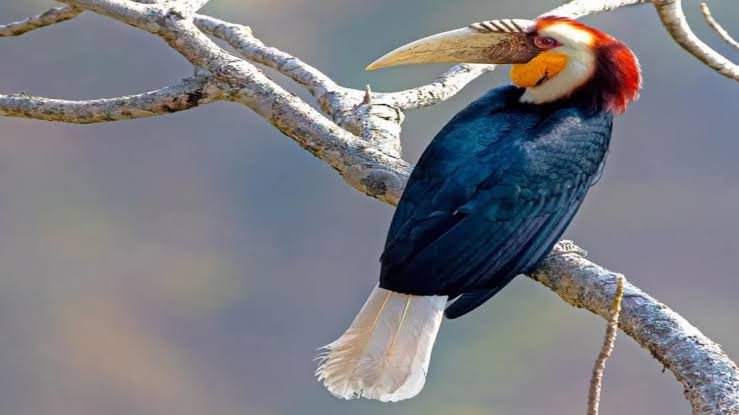
The Peren Wildlife Survey has reported an increase in rare hornbill sightings within the forests of Peren district. The latest observations highlight the region’s rich biodiversity and underline the importance of continued wildlife conservation, habitat protection, and scientific monitoring of bird populations in Nagaland.
Phek Honey Initiative Boosts Rural Livelihoods with New Wild Honey Processing Unit
Peren Wildlife Survey Documents Rise in Rare Hornbill Sightings
The Peren Wildlife Survey has recorded an increase in sightings of rare hornbills across the forests of Peren. According to the available information, conservationists documented a higher number of observations during the latest wildlife survey conducted in the district.
Hornbills are among the most distinctive bird species found in forest ecosystems and play an important role in maintaining ecological balance. Moreover, regular wildlife surveys help researchers monitor population trends and assess the health of natural habitats.
The increase in sightings reflects the value of continuous field observations by conservation teams. Therefore, scientific monitoring remains an essential tool for understanding wildlife populations and supporting conservation planning.
The latest findings also reinforce the ecological significance of Peren’s forest landscapes. Additionally, systematic wildlife documentation contributes to long-term biodiversity research.
Peren Wildlife Survey Highlights Importance of Forest Conservation
The Peren Wildlife Survey emphasizes the importance of preserving forest ecosystems that support rare bird species. Healthy forests provide food, shelter, and breeding habitats that are essential for sustaining wildlife populations.
Moreover, monitoring rare hornbill sightings helps conservationists evaluate changes in biodiversity over time. Consequently, regular surveys provide valuable information that can guide future conservation strategies.
Forest conservation benefits both wildlife and local ecosystems by protecting natural habitats from environmental pressures. Furthermore, maintaining biodiversity contributes to the long-term stability of forest environments.
The available information confirms an increase in rare hornbill sightings. However, it does not specify the number of birds recorded or the species of hornbills observed during the survey.
Conservation Efforts Support Peren Wildlife Survey Findings
The Peren Wildlife Survey demonstrates the importance of continuous conservation efforts in protecting native wildlife. Field surveys allow researchers and conservationists to collect valuable information about species distribution and habitat conditions.
Additionally, wildlife monitoring helps identify ecological trends that may influence future conservation programmes. This information supports evidence-based environmental planning and habitat management.
Conservation organizations regularly conduct biodiversity assessments to strengthen wildlife protection initiatives. Meanwhile, the latest survey findings highlight the ecological value of Peren’s forests and their role in supporting rare bird populations.
The increase in hornbill sightings reflects positive survey observations rather than conclusions about long-term population changes. Therefore, continued scientific monitoring remains important for tracking future developments.
The survey contributes to expanding knowledge about wildlife in one of Nagaland’s significant forest regions.
Peren Wildlife Survey Strengthens Biodiversity Research
The Peren Wildlife Survey carries broader significance for biodiversity conservation and environmental research. Wildlife surveys help document species diversity while improving understanding of ecological conditions across protected and natural forest areas.
Moreover, rare bird observations contribute to scientific studies that support long-term conservation planning. Improved ecological data also assists policymakers and conservation agencies in developing effective environmental management strategies.
The survey highlights the importance of collaboration between conservationists, researchers, and local communities in protecting wildlife habitats. Similarly, continued biodiversity monitoring strengthens conservation awareness and supports sustainable ecosystem management.
Protecting forest habitats remains essential for preserving the region’s unique wildlife. Consequently, regular surveys continue to play a vital role in advancing conservation science and promoting responsible environmental stewardship.
As future wildlife surveys are conducted, additional official findings may provide further insights into biodiversity trends across the Peren forests.
Conclusion
The Peren Wildlife Survey has recorded an encouraging increase in rare hornbill sightings within the forests of Peren district. The latest observations highlight the ecological importance of the region and reinforce the value of continued scientific monitoring and conservation efforts.
Furthermore, regular wildlife surveys provide essential information for understanding biodiversity and supporting long-term habitat protection. The findings also emphasize the importance of preserving healthy forest ecosystems that sustain rare bird species.
Overall, the Peren Wildlife Survey represents another important step in documenting Nagaland’s rich biodiversity. As conservationists continue monitoring wildlife across the district, future surveys are expected to provide valuable insights into the health and diversity of the region’s forest ecosystems.
FAQs
1. What is the latest finding from the Peren Wildlife Survey?
The Peren Wildlife Survey recorded an increase in rare hornbill sightings within the forests of Peren district.
2. Who conducted the wildlife survey?
According to the available information, conservationists carried out the survey and documented the increased hornbill sightings.
3. Why are hornbills important to forest ecosystems?
Hornbills play an important ecological role by supporting forest biodiversity and contributing to the natural balance of ecosystems.
4. What is the purpose of the Peren Wildlife Survey?
The survey aims to monitor wildlife, document biodiversity, and support scientific conservation efforts in the region.
5. Does the survey confirm long-term population growth?
No. The available information only confirms an increase in sightings during the survey and does not establish long-term population trends.