





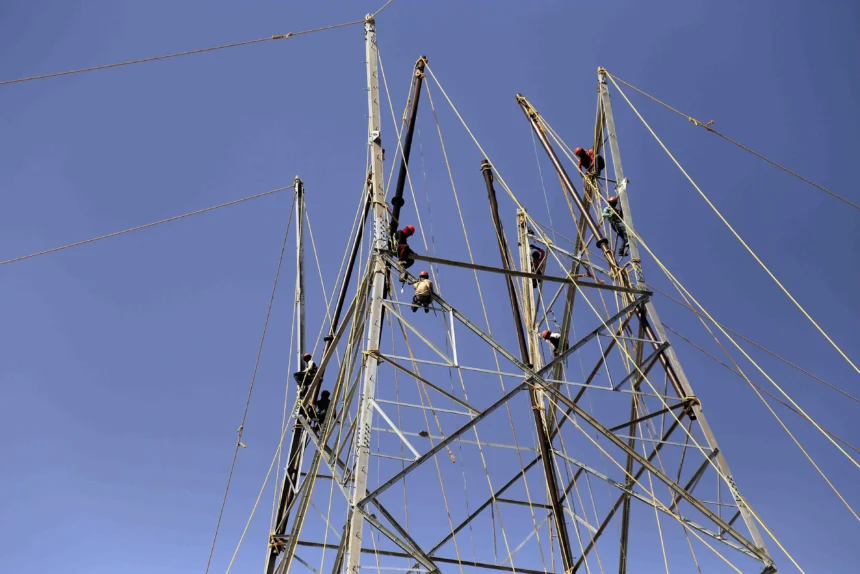
The Tripura Rural Electrification programme has achieved a significant milestone after the state power corporation announced the successful grid connection of 45 remote tribal hamlets under centrally funded electrification schemes. Moreover, the initiative aims to improve access to reliable electricity in remote areas, strengthen rural infrastructure, and enhance the quality of life for tribal communities. Consequently, the project supports inclusive development while expanding essential public services across Tripura.
Alternative Farming Scheme Promotes Dragon Fruit and Spice Cultivation
Tripura Rural Electrification Reaches 45 Tribal Hamlets
The Tripura Rural Electrification initiative has extended electricity access to 45 remote tribal hamlets through the successful completion of new grid connections. Furthermore, the project was implemented under centrally funded rural electrification programmes designed to improve infrastructure in underserved regions.
Reliable electricity remains a cornerstone of rural development. Consequently, the newly connected villages are expected to benefit from improved access to essential services and modern amenities.
Moreover, the state power corporation confirmed that the electrification work was completed according to the planned implementation schedule. Therefore, more households can now access a stable power supply.
Additionally, the project reflects continued efforts to reduce infrastructure gaps in remote tribal areas. Thus, rural connectivity continues to improve across the state.
Central Funding Supports Rural Power Infrastructure
The Tripura Rural Electrification programme was carried out with support from central government funding schemes aimed at expanding electricity infrastructure in remote locations. Furthermore, these initiatives assist states in strengthening transmission and distribution networks.
Government-funded electrification projects help improve access to reliable energy while supporting regional development. Consequently, enhanced power infrastructure contributes to better living standards and economic opportunities.
Moreover, improved electricity access supports the delivery of public services, including education and healthcare. Therefore, rural electrification remains an important development priority.
Similarly, stronger distribution networks improve the reliability of electricity supply. Additionally, continued investment in infrastructure supports long-term growth.
Reliable Electricity Enhances Rural Development
The Tripura Rural Electrification initiative is expected to improve daily life for residents by providing dependable electricity to previously underserved communities. Furthermore, access to power supports household activities, small businesses, and community services.
Electricity plays a vital role in promoting education, healthcare, communication, and local economic development. Consequently, newly electrified hamlets may experience broader social and economic benefits.
Moreover, improved energy access encourages entrepreneurship and supports rural livelihoods. Therefore, the project contributes to inclusive development across tribal regions.
Similarly, better infrastructure strengthens the resilience of rural communities. Additionally, reliable electricity creates opportunities for future development initiatives.
Electrification Strengthens Inclusive Growth
The Tripura Rural Electrification programme demonstrates the state’s commitment to expanding infrastructure in remote and tribal areas. Furthermore, connecting isolated communities to the power grid supports balanced regional development.
Infrastructure expansion remains essential for reducing disparities between urban and rural regions. Consequently, electrification projects contribute to greater social inclusion and economic progress.
Moreover, collaboration between the state power corporation and central funding agencies has enabled the successful implementation of the initiative. Therefore, continued investment in rural infrastructure will remain a priority.
Similarly, expanding access to essential utilities supports sustainable development goals. Additionally, ongoing electrification efforts will strengthen Tripura’s long-term development strategy.
Conclusion
The Tripura Rural Electrification programme has successfully connected 45 remote tribal hamlets to the power grid under centrally funded schemes, marking an important achievement in the state’s rural development efforts. Moreover, the initiative expands access to reliable electricity while improving infrastructure in underserved communities.
Furthermore, the project is expected to enhance education, healthcare, economic opportunities, and overall quality of life in the newly electrified areas. Consequently, the successful implementation highlights the importance of continued investment in rural infrastructure and inclusive development.
Looking ahead, sustained efforts to strengthen electricity networks, expand essential services, and improve connectivity will ensure that the Tripura Rural Electrification programme continues to support long-term growth and prosperity across the state.
FAQs
1. What is the Tripura Rural Electrification programme?
It is an initiative that expanded electricity access by connecting 45 remote tribal hamlets to the power grid.
2. How many tribal hamlets were connected?
The state power corporation announced that 45 remote tribal hamlets were successfully connected.
3. How was the project funded?
The electrification work was carried out under centrally funded rural electrification schemes.
4. What are the benefits of the programme?
The initiative improves access to reliable electricity, supports public services, enhances rural livelihoods, and strengthens infrastructure.
5. Why is the Tripura Rural Electrification initiative significant?
It promotes inclusive development by expanding electricity access to remote tribal communities and improving essential infrastructure across the state.