




A fresh Meta censorship row has emerged after digital advocacy organisations raised concerns over alleged restrictions on political content across Meta-owned platforms. The groups have pointed to viral reels involving student activists and Facebook posts by AAP leader Arvind Kejriwal that criticised ethanol blending policies.
Special Delimitation Session: August 16–18 Plan Faces Government Clarification
The organisations argue that restrictions on political content can raise concerns about transparency, moderation standards, and freedom of online expression. Moreover, they have called for greater clarity about why particular posts or videos face reduced visibility or other platform restrictions.
Meta’s content-moderation systems can restrict material under platform rules, including policies concerning safety, misinformation, or other forms of prohibited content. Therefore, an allegation of political censorship does not by itself establish that Meta removed content because of its political viewpoint.
Meta Censorship Row Gains Attention
The latest controversy centres on claims that political content received restrictions on Meta platforms.
Digital advocacy groups have highlighted viral reels involving student activists and Facebook posts associated with Kejriwal. Furthermore, they have questioned whether users received adequate explanations when their content faced limitations.
The issue has renewed debate about how large social-media platforms moderate politically sensitive material.
However, the specific reasons behind individual restrictions require confirmation from Meta and the affected users.
Student Activist Reels Draw Scrutiny
Student activists have become a major focus of the controversy.
According to the organisations raising concerns, viral reels featuring student activists experienced restrictions or reduced reach. Additionally, the groups argue that such actions can prevent politically significant content from reaching wider audiences.
The allegations have raised questions about how automated moderation systems handle protest-related material.
However, reduced visibility can result from several factors and does not necessarily prove deliberate political censorship.
Kejriwal’s Posts Become Part of Dispute
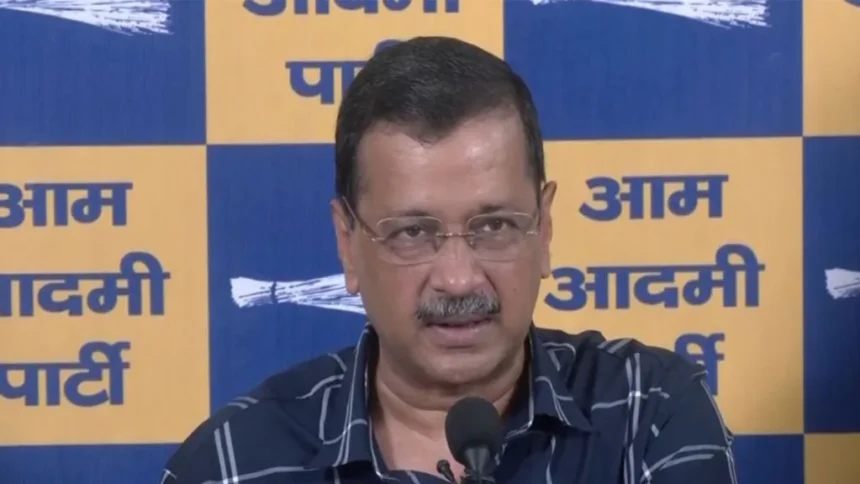
AAP leader Arvind Kejriwal’s Facebook posts about ethanol blending policies have also entered the debate.
Digital advocacy groups claim that some of his posts faced limitations. Moreover, they have questioned whether political criticism of government policy received different treatment from other content.
The allegation has expanded the controversy beyond student activism.
However, the specific moderation action and its underlying reason would need confirmation from Meta or records associated with the affected posts.
Ethanol Blending Debate Adds Political Dimension
The posts reportedly criticised government policies involving ethanol blending in fuel.
Ethanol blending has been an important public-policy issue involving energy security, fuel imports, agriculture, and environmental considerations. Consequently, political criticism of the policy can attract significant online engagement.
When platforms restrict widely shared political posts, questions about content moderation can quickly become politically sensitive.
However, disagreement with a policy does not automatically exempt content from a platform’s community standards.
Digital Advocacy Groups Demand Transparency
Digital advocacy organisations have called for greater transparency around the alleged restrictions.
They want platforms to explain why content becomes unavailable, receives reduced distribution, or faces other limitations. Furthermore, they argue that users should receive meaningful avenues to appeal moderation decisions.
Such mechanisms can help distinguish genuine policy enforcement from potential errors.
However, platforms must also balance transparency with the need to protect moderation systems from manipulation.
Automated Moderation Under Examination
Large platforms rely heavily on automated systems to identify potentially problematic content.
These systems can process enormous quantities of posts, images, videos, and comments. Moreover, automated tools can sometimes make mistakes when they interpret political speech, satire, protest footage, or rapidly developing events.
Human review can address some disputed cases.
However, users may still struggle to understand why a particular piece of content received a restriction.
Political Speech Creates Special Challenges
Political content presents unique moderation challenges because it can involve criticism of governments, public officials, protests, elections, and controversial policies.
Platforms must distinguish between legitimate political expression and content that violates specific rules. Therefore, moderation decisions involving politicians and activists often attract greater scrutiny.
The controversy involving Kejriwal and student activists illustrates this broader challenge.
However, political status alone does not necessarily determine whether content violates platform policies.
Free Expression Versus Platform Rules
The dispute highlights a fundamental tension between freedom of expression and private-platform moderation.
Users can expect social-media platforms to provide spaces for political discussion, while platforms can establish rules governing what content they permit. Additionally, governments and civil-society groups can scrutinise how these private rules affect public discourse.
The challenge lies in ensuring that enforcement remains consistent and understandable.
However, platform moderation should not be automatically equated with government censorship.
Why Transparency Matters
Clear explanations can help users understand why platforms restrict particular content.
If a post receives a warning, removal, or reduced distribution, users may need information about the relevant policy and available appeal mechanisms. Moreover, consistent explanations can help researchers evaluate whether moderation affects political viewpoints disproportionately.
Digital advocacy groups therefore continue to emphasise transparency.
However, claims of systematic political bias require evidence covering a sufficiently broad range of cases.
Student Politics Moves Online
Social media has become an important communication channel for student groups and youth movements.
Short-form videos can spread rapidly and reach audiences beyond traditional news organisations. Furthermore, viral political content can influence public discussions within hours.
Any moderation of such material can consequently attract significant attention.
However, platforms may restrict content for reasons unrelated to its political message, including safety, authenticity, or other policy concerns.
Kejriwal’s Political Reach Adds Attention
As a prominent political figure, Kejriwal’s social-media activity can reach large audiences.
Posts criticising government policies can become part of broader political campaigns and public debates. Therefore, any reported restriction on such posts can quickly generate questions about political neutrality.
Digital advocacy groups have used the reported cases to call for closer scrutiny of platform practices.
However, individual cases cannot establish a broader pattern without additional evidence.
Meta Faces Pressure to Explain Decisions
The controversy places pressure on Meta to provide clarity about the reported restrictions.
The company could explain which policies applied to the affected material and whether automated systems or human reviewers made the relevant decisions. Additionally, information about successful appeals could provide further context.
Such explanations could help reduce speculation.
However, the company may not disclose every internal moderation detail because doing so could expose enforcement systems to manipulation.
Wider Implications for Online Politics
The controversy extends beyond the individual posts and reels involved.
Political campaigns increasingly depend on digital platforms to distribute messages and mobilise supporters. Moreover, restrictions affecting political content can influence how quickly information spreads and which viewpoints gain visibility.
This makes platform governance an important part of modern political communication.
However, platforms also face responsibility to enforce rules consistently across political groups.
What Happens Next?
The affected users and advocacy organisations may seek further explanations or appeal the reported restrictions.
Meta’s response could determine whether the controversy grows or subsides. Furthermore, independent researchers and civil-society organisations may examine additional cases to determine whether the reported incidents form part of a broader pattern.
Evidence from multiple cases would be necessary to assess claims of systematic political censorship.
Therefore, the coming days could bring greater clarity about the nature and scale of the alleged restrictions.
Conclusion
The Meta censorship row has intensified after digital advocacy organisations raised concerns over alleged restrictions affecting viral student-activist reels and Facebook posts by AAP leader Arvind Kejriwal criticising ethanol blending policies.
Moreover, the controversy has renewed questions about transparency, automated moderation, political speech, and users’ ability to appeal platform decisions. At the same time, reported restrictions do not automatically establish political censorship because platforms can limit content under their broader community and safety standards.
Overall, the key issue will be whether Meta can provide clear explanations for the reported actions and demonstrate consistent enforcement across political viewpoints. Further evidence and responses from the platform will be important in determining whether the incidents represent isolated moderation decisions or a wider pattern affecting political expression.
FAQs
1. What is the Meta censorship row about?
Digital advocacy organisations have raised concerns about alleged restrictions on student-activist reels and Facebook posts by Arvind Kejriwal concerning ethanol blending policies.
2. What do advocacy groups want?
They are seeking greater transparency about moderation decisions, clearer explanations for restrictions, and effective mechanisms for users to appeal platform actions.
3. What were Kejriwal’s posts about?
The posts reportedly criticised government policies concerning ethanol blending in fuel.
4. Does restricting political content automatically mean censorship?
No. Social-media reels can restrict content under their published policies. A political-censorship claim requires evidence showing that restrictions occurred because of political viewpoint rather than another policy violation.
5. What could clarify the controversy?
Meta’s explanation of the relevant moderation decisions, the policies applied, and available appeal outcomes could provide important context. Broader evidence from multiple cases could also help establish whether a systematic pattern exists.