
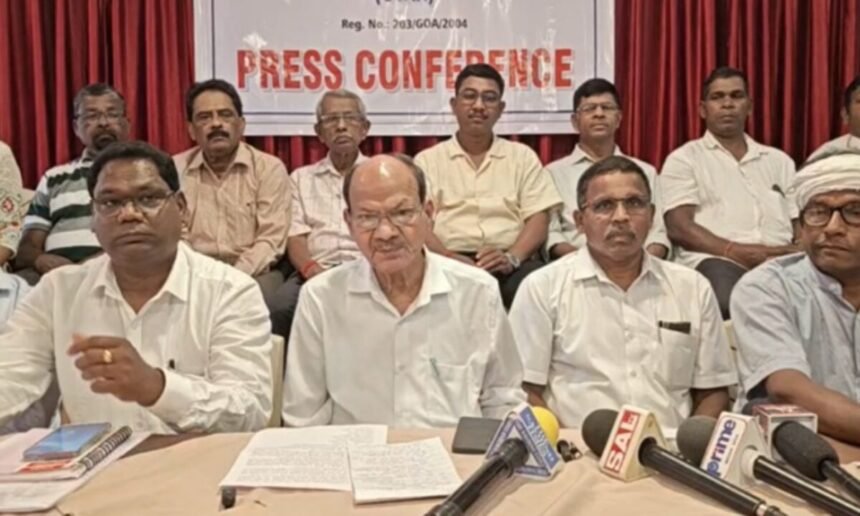
The Goa ST reservation dispute has intensified as the tribal alliance United Tribal Alliance Association (UTAA) announced a “Chalo Panaji” mega rally for August 13, 2026. The organisation has accused the BJP-led “double-engine” government of delaying the official implementation of Scheduled Tribe political reservations ahead of the 2027 Goa Assembly elections.
Special Delimitation Session: August 16–18 Plan Faces Government Clarification
UTAA’s planned mobilisation has brought renewed attention to long-standing demands for political representation for Goa’s Scheduled Tribe communities. Moreover, tribal organisations want the government to provide clarity on the process and timeline for implementing reservation in the state Assembly.
The controversy could become a significant political issue ahead of the 2027 elections. However, allegations that the government is deliberately delaying implementation remain claims made by the tribal alliance and should be distinguished from officially established facts.
UTAA Announces Chalo Panaji Rally
UTAA has announced the Chalo Panaji rally for August 13 as part of its campaign for implementation of Scheduled Tribe political reservation.
The tribal alliance plans to mobilise supporters in Panaji and draw attention to what it describes as prolonged delays. Furthermore, the organisation wants the government to communicate a clear timeline for implementing the reservation framework.
The planned rally could bring the issue back to the centre of Goa’s political debate.
However, the size and eventual impact of the mobilisation will depend on participation and the government’s response.
ST Reservation Becomes Election Issue
Political reservation for Scheduled Tribe communities has become increasingly important ahead of the 2027 Assembly elections.
Tribal organisations argue that reservation would provide greater political representation to communities that have historically sought a stronger voice in the state legislature. Additionally, they want the reservation process completed before the next election cycle.
The demand has therefore moved beyond community organisations and into mainstream political debate.
However, the precise implementation process depends on constitutional and statutory requirements as well as official delimitation and reservation procedures.
UTAA Targets BJP Government
UTAA has accused the BJP-led “double-engine” government of delaying the implementation process.
The phrase refers to the BJP governments at the Centre and in the state, which the tribal alliance says should work together to resolve the issue. Moreover, UTAA’s criticism places responsibility on both levels of government for what it describes as the continued delay.
The BJP and the government may respond by outlining the administrative and legal steps involved.
Until such explanations emerge, the allegations remain part of the political contest surrounding the reservation issue.
Why Goa’s ST Reservation Matters
Political reservation can provide constitutionally recognised communities with reserved representation in elected bodies.
For Goa’s tribal communities, the issue carries particular significance because reservation could directly influence representation in the Legislative Assembly. Furthermore, the implementation process could affect constituency arrangements ahead of the next election.
Consequently, the issue has implications for both community representation and electoral politics.
However, reservation requires the authorities to complete the necessary legal and administrative procedures before elections.
2027 Elections Increase Pressure
The approaching Goa Assembly elections have increased the urgency surrounding the issue.
Political parties are already preparing for the next electoral contest, while tribal organisations want clarity before the election process formally begins. Additionally, uncertainty over reservation arrangements could influence candidate selection and constituency-level strategies.
UTAA’s August rally therefore comes at a politically sensitive moment.
However, the final reservation structure will depend on official decisions rather than political demands alone.
Panaji Rally Could Draw Political Attention
The Chalo Panaji mobilisation could become an important public demonstration of tribal sentiment.
Rallies allow community organisations to communicate demands directly to policymakers and the wider public. Moreover, a large turnout could increase political pressure on the state government.
UTAA’s decision to announce a specific date also gives supporters a clear target for mobilisation.
However, the government’s response will likely determine whether the rally leads to negotiations or further political confrontation.
Government Faces Calls for Timeline
A central demand from tribal groups is greater clarity about when the reservation process will take effect.
A clear timeline could reduce uncertainty among communities and political parties. Furthermore, information about the legal and administrative stages could help explain why implementation has taken time.
The government could address these concerns by publishing details about the process.
However, any timeline must account for constitutional requirements, delimitation procedures, and other statutory steps.
Delimitation and Reservation Are Connected
The reservation issue cannot be separated entirely from constituency delimitation.
The identification of constituencies for reservation requires appropriate demographic and administrative processes. Therefore, implementation may involve more than simply issuing a political announcement.
This connection makes the timeline particularly important.
Moreover, any changes to constituency arrangements can have wider consequences for Goa’s electoral map.
Tribal Groups Demand Political Representation
UTAA’s campaign reflects a broader demand for stronger political representation.
Tribal organisations argue that reserved seats can provide communities with a more direct voice in legislative decision-making. Additionally, elected representatives from reserved constituencies can raise issues involving land, education, infrastructure, employment, and welfare.
The reservation debate therefore extends beyond the 2027 election itself.
However, political representation also depends on voter participation, candidate selection, and effective governance after elections.
Opposition Parties May Back Demand
The reservation controversy could also create opportunities for opposition parties to criticise the BJP government.
Opposition leaders may use the issue to question the government’s record on tribal representation. Furthermore, political parties could seek to participate in the August rally or publicly support UTAA’s demands.
Such involvement could transform the campaign into a broader electoral issue.
However, UTAA’s own political position and future strategy will determine how closely it aligns with individual parties.
Government Response Will Be Closely Watched
The state government’s response to the August 13 mobilisation will likely attract significant attention.
Authorities could explain the status of the reservation process and outline the remaining legal steps. Moreover, constructive engagement with tribal organisations could reduce tensions surrounding the issue.
If the government does not provide a clear response, UTAA may intensify its campaign.
However, any official statement should clarify the distinction between political commitments and legally completed procedures.
Tribal Youth and Civil Society Follow Developments
Young members of Goa’s tribal communities and civil-society organisations may closely follow the campaign.
The reservation issue concerns future political participation and representation, making it particularly relevant to younger voters. Additionally, community groups can play an important role in communicating information about the reservation process.
The August rally could therefore become a broader platform for discussing tribal rights and representation.
However, participants should rely on verified information about the legal status of reservation.
What Happens Before August 13?
The period before the rally could provide an opportunity for government representatives to engage with UTAA.
If authorities provide a clear explanation or timeline, the political atmosphere could change before the mobilisation. Conversely, continued uncertainty could increase participation and strengthen the alliance’s campaign.
Political parties may also decide how openly they want to associate themselves with the demand.
Therefore, developments before August 13 could prove as important as the rally itself.
Conclusion
The Goa ST reservation dispute has entered another politically significant phase after UTAA announced a “Chalo Panaji” mega rally for August 13, 2026. The tribal alliance has accused the BJP-led “double-engine” government of delaying the implementation of Scheduled Tribe political reservations ahead of the 2027 Assembly elections.
Moreover, UTAA wants greater clarity on the timeline and administrative process required to establish reserved constituencies. At the same time, the government could use the period before the rally to explain the legal and procedural steps involved.
Overall, the August 13 mobilisation could increase pressure on the government and make tribal political representation a major issue ahead of the 2027 Goa elections. The eventual outcome will depend on official decisions, constituency-related procedures, and the government’s engagement with tribal organisations.
FAQs
1. What is the Chalo Panaji rally?
“Chalo Panaji” is a mobilisation announced by UTAA for August 13, 2026, to press for implementation of Scheduled Tribe political reservations in Goa.
2. What does UTAA want?
UTAA wants the government to implement political reservation for Scheduled Tribe communities and provide clarity on the timeline for the process.
3. Why is the issue important ahead of 2027?
The reservation could affect political representation and constituency arrangements before the Goa Assembly elections scheduled for 2027.
4. Who has UTAA criticised?
UTAA has accused the BJP-led governments at the state and Centre of delaying the implementation process.
5. Is the government officially responsible for a delay?
UTAA has made that allegation, but the reasons and status of the implementation process should be assessed through official government and election authorities’ statements.