





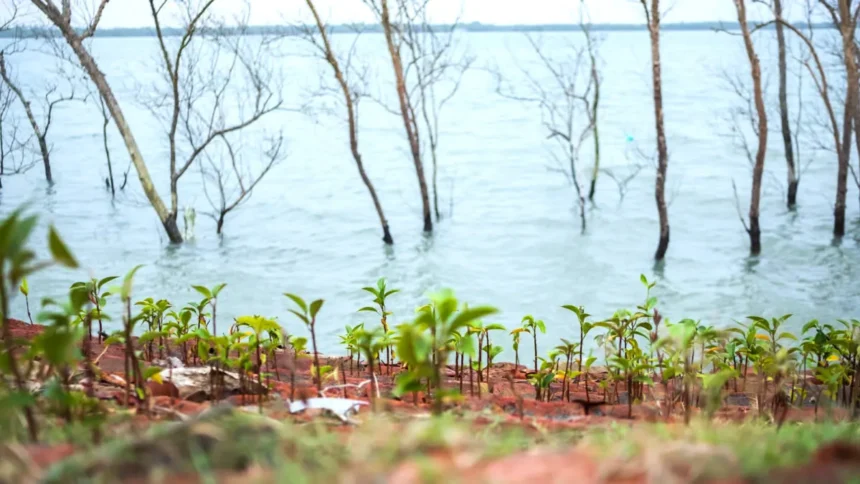
Sundarbans mangrove plantation efforts received a major boost after authorities and environmental agencies launched a new large-scale coastal afforestation drive aimed at reducing erosion and strengthening ecological protection across vulnerable delta regions. Meanwhile, forest officials and conservation experts stated that the initiative seeks to restore degraded mangrove zones, improve coastal resilience, and protect fragile ecosystems increasingly threatened by climate change and rising sea levels. The announcement immediately attracted attention from environmental groups, local communities, and climate researchers because the Sundarbans remains one of the world’s most ecologically sensitive mangrove regions. Additionally, administrative agencies reportedly intensified coordination involving plantation logistics, community participation, and long-term environmental monitoring.
The development emerged amid growing concern regarding coastal erosion, cyclonic damage, and habitat degradation across deltaic regions of eastern India. Furthermore, ecological experts observed that mangrove ecosystems play a crucial role in climate resilience, biodiversity conservation, and coastal protection.
New Town Tech Park Expansion Boosts Bengal IT Growth
Kolkata Traffic Diversions Announced for Durga Puja Preparations
Authorities Launch Large-Scale Plantation Campaign
Environmental and forest departments formally initiated the new plantation program across selected vulnerable zones in the Sundarbans region. Sundarbans mangrove plantation discussions therefore rapidly expanded across conservation and climate policy sectors.
Meanwhile, officials explained that the campaign aims to strengthen natural coastal barriers through extensive planting of mangrove saplings in erosion-prone riverbanks and tidal areas. Additionally, local authorities reportedly coordinated with environmental organizations and community groups to accelerate plantation activities before peak monsoon conditions intensify.
Forest department representatives emphasized that mangrove forests remain essential for protecting coastal populations and maintaining ecological stability in low-lying delta regions. Furthermore, officials indicated that long-term survival monitoring and habitat management systems would accompany the plantation drive.
Earlier, repeated cyclones and tidal surges caused significant environmental stress across several Sundarbans islands and coastal belts. Consequently, the latest afforestation initiative generated optimism regarding improved ecosystem recovery and shoreline protection.
At the same time, environmental experts stressed the importance of sustained conservation efforts beyond short-term plantation campaigns.
Mangroves Seen as Natural Coastal Defense
Researchers highlighted that mangrove ecosystems function as critical natural barriers against erosion and extreme weather events. Sundarbans mangrove plantation expansion therefore carries strategic environmental importance beyond afforestation alone.
Meanwhile, climate scientists observed that dense mangrove roots help stabilize soil, reduce tidal impact, and slow coastal erosion across fragile delta landscapes. Additionally, mangrove forests frequently reduce the destructive impact of cyclones and storm surges affecting coastal communities.
Several ecological experts explained that the Sundarbans region remains highly vulnerable because of rising sea levels, salinity intrusion, and increasing climate variability. Furthermore, restoring mangrove cover may strengthen long-term environmental resilience within the ecosystem.
Environmental policy researchers also emphasized that natural ecosystem restoration often provides more sustainable coastal protection compared with artificial infrastructure alone. Consequently, mangrove conservation gained stronger prominence within climate adaptation planning frameworks.
However, specialists warned that plantation success depends heavily on long-term maintenance and ecological balance.
Climate Change Continues Threatening the Sundarbans
The latest conservation initiative emerged against the backdrop of intensifying climate-related challenges across the Sundarbans delta. Sundarbans mangrove plantation efforts therefore became closely linked with broader climate adaptation discussions.
Meanwhile, environmental analysts noted that rising sea levels, frequent cyclones, and changing tidal patterns increasingly threaten biodiversity and human settlements across the region. Additionally, salinity changes and coastal land loss reportedly affected agriculture, freshwater availability, and local livelihoods.
Climate researchers explained that delta ecosystems remain among the world’s most climate-sensitive regions because of their low elevation and exposure to extreme weather conditions. Furthermore, recurring natural disasters continue placing immense pressure on environmental and social systems within coastal communities.
Several sustainability experts highlighted the urgent need for integrated climate resilience strategies involving conservation, disaster preparedness, and community participation. Consequently, the plantation campaign gained importance within wider environmental governance discussions.
At the same time, scientists emphasized that global climate trends may continue influencing the long-term stability of the region.
Local Communities Participate in Conservation Efforts
Authorities stated that local residents and community organizations are actively participating in the plantation campaign across multiple coastal areas. Sundarbans mangrove plantation programs therefore increasingly relied on grassroots involvement and environmental awareness initiatives.
Meanwhile, villagers, fishermen, and self-help groups reportedly joined sapling plantation drives and shoreline restoration activities coordinated by forest and civic authorities. Additionally, awareness programs encouraged local communities to support long-term mangrove protection and sustainable resource management practices.
Social development experts observed that community participation frequently improves environmental project sustainability and local stewardship. Furthermore, conservation initiatives often become more effective when local populations directly benefit from ecosystem restoration.
Several environmental organizations also emphasized the importance of balancing ecological protection with livelihood security for coastal residents. Consequently, community engagement became a major component of the overall conservation strategy.
However, some local groups requested stronger economic support and rehabilitation measures for erosion-affected families.
Biodiversity Protection Remains Central Objective
The plantation initiative also focused on preserving the unique biodiversity of the Sundarbans ecosystem. Sundarbans mangrove plantation expansion therefore carried major ecological significance involving wildlife habitat protection.
Meanwhile, conservation scientists explained that mangrove forests support diverse species involving fish, crustaceans, migratory birds, and endangered wildlife such as the Royal Bengal tiger. Additionally, healthy mangrove ecosystems frequently sustain marine breeding grounds and aquatic biodiversity.
Wildlife experts observed that habitat degradation may disrupt ecological balance and increase environmental vulnerability within sensitive coastal ecosystems. Furthermore, biodiversity preservation remains closely connected with maintaining long-term ecosystem resilience and natural productivity.
Several ecological researchers highlighted that the Sundarbans represents a globally important UNESCO-recognized environmental zone requiring continuous conservation attention. Consequently, plantation drives gained international environmental relevance beyond regional conservation efforts.
At the same time, authorities continued evaluating additional measures involving habitat monitoring and ecological restoration.
Long-Term Monitoring and Sustainability Planned
Officials indicated that the plantation campaign will include continued environmental monitoring and maintenance programs after the initial afforestation phase. Sundarbans mangrove plantation management therefore entered a broader long-term conservation framework.
Meanwhile, forest departments reportedly planned periodic survival assessments, erosion monitoring, and ecological surveys across plantation zones. Additionally, experts stressed that sustained protection from illegal cutting and habitat disturbance remains essential for ensuring successful regeneration.
Environmental governance specialists observed that ecosystem restoration projects often require years of consistent monitoring before achieving measurable long-term impact. Furthermore, adaptive conservation strategies frequently improve resilience under changing climate conditions.
Several policy analysts emphasized the importance of integrating scientific research, local participation, and administrative coordination within coastal conservation programs. Consequently, authorities continued prioritizing sustainable management approaches linked to the plantation initiative.
At the same time, environmental groups called for stronger climate action and broader coastal protection policies across vulnerable delta regions.
Conclusion
Sundarbans mangrove plantation efforts gained significant momentum after authorities launched a new afforestation drive aimed at reducing coastal erosion and strengthening ecological resilience across vulnerable delta regions. Meanwhile, environmental experts emphasized the crucial role of mangrove forests in protecting coastlines, preserving biodiversity, and supporting climate adaptation strategies. Local communities and conservation agencies actively participated in the initiative while continuing to monitor broader environmental threats facing the Sundarbans ecosystem. Ultimately, observers believe sustained conservation efforts and long-term ecological management will remain essential for protecting one of the world’s most fragile coastal environments.
FAQs
What initiative was launched in the Sundarbans?
Authorities launched a large-scale mangrove plantation drive to combat coastal erosion.
Why are mangroves important for the Sundarbans?
Mangroves help reduce erosion, protect coastlines, and support biodiversity.
What environmental threats affect the Sundarbans?
Climate change, rising sea levels, cyclones, and habitat degradation remain major threats.
Are local communities involved in the plantation drive?
Yes, villagers and local groups are participating in plantation and conservation activities.
How do mangroves support biodiversity?
Mangrove ecosystems provide habitat for fish, birds, marine life, and Royal Bengal tigers.
Will authorities continue monitoring the project?
Yes, long-term environmental monitoring and maintenance programs are planned.