




Kolkata rural medical camps gained major attention after several leading corporate hospitals launched affordable healthcare outreach programs across remote and underserved areas of West Bengal. Meanwhile, healthcare authorities and hospital representatives stated that the initiative aims to improve access to essential medical services, early disease screening, and specialist consultations for rural populations facing limited healthcare infrastructure. The development immediately attracted public interest because affordable healthcare access continues remaining a major challenge across several rural districts. Additionally, medical institutions reportedly intensified coordination involving mobile healthcare units, specialist teams, and community awareness campaigns linked to the outreach initiative.
The program emerged amid increasing focus on expanding healthcare accessibility and preventive medical services beyond major urban centers. Furthermore, public health experts observed that rural healthcare outreach programs increasingly play a vital role in improving early diagnosis and reducing treatment delays.
Sundarbans Mangrove Mission Targets Coastal Erosion
West Bengal HS Results Announcement Expected Soon
Corporate Hospitals Launch Community Healthcare Drives
Several private healthcare institutions formally initiated medical outreach activities targeting villages and semi-rural regions across West Bengal. Kolkata rural medical camps discussions therefore rapidly expanded across healthcare and social welfare sectors.
Meanwhile, hospital authorities explained that the camps may provide low-cost consultations, diagnostic screening, health check-ups, maternal care guidance, and awareness regarding chronic illnesses. Additionally, specialist doctors and healthcare workers reportedly traveled to remote locations using mobile medical infrastructure and temporary treatment setups.
Healthcare representatives emphasized that preventive healthcare and early medical intervention remain essential for reducing long-term disease burden within underserved communities. Furthermore, officials highlighted that affordable outreach initiatives may strengthen trust between healthcare institutions and rural populations.
Earlier, rural residents frequently reported difficulties involving travel distance, treatment costs, and limited specialist availability in remote areas. Consequently, the latest healthcare initiative generated optimism regarding improved access to medical support services.
At the same time, administrators continued evaluating additional locations for future outreach expansion.
Rural Areas Continue Facing Healthcare Gaps
The initiative also highlighted persistent healthcare accessibility challenges across many rural districts in West Bengal. Kolkata rural medical camps therefore carried broader significance within public health and social development discussions.
Meanwhile, healthcare experts observed that rural communities often experience shortages involving hospitals, diagnostic centers, specialist doctors, and emergency medical services. Additionally, delayed diagnosis and lack of preventive healthcare awareness frequently worsen long-term health outcomes.
Several medical researchers noted that rural healthcare systems require stronger infrastructure, trained personnel, and affordable treatment mechanisms to meet growing healthcare demands. Furthermore, transportation barriers and economic limitations may discourage timely medical consultation among vulnerable populations.
Public health analysts also emphasized that regular outreach programs often improve disease detection and strengthen healthcare awareness within remote communities. Consequently, rural medical camps gained increasing importance within broader healthcare accessibility planning frameworks.
However, experts stressed that outreach initiatives should complement long-term healthcare infrastructure development rather than replace permanent medical facilities.
Preventive Healthcare and Early Diagnosis Prioritized
Hospital officials indicated that preventive healthcare remains a central focus of the outreach initiative. Kolkata rural medical camps therefore emphasized early detection and awareness rather than emergency treatment alone.
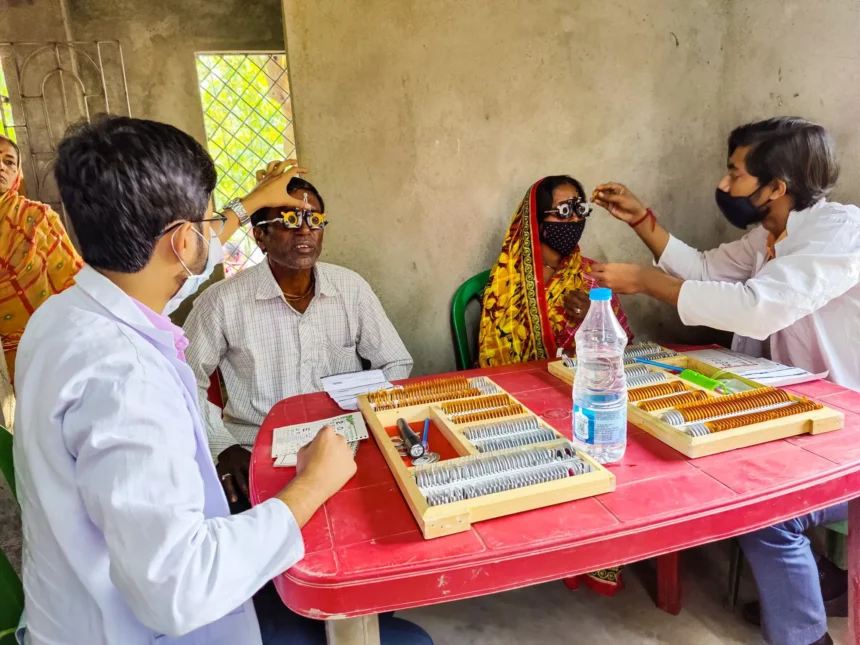
Meanwhile, medical teams reportedly conducted screenings involving blood pressure, diabetes, eye health, heart conditions, respiratory illnesses, and women’s healthcare concerns. Additionally, awareness sessions focused on nutrition, sanitation, vaccination, and lifestyle-related disease prevention.
Healthcare specialists explained that early diagnosis frequently improves treatment outcomes and reduces long-term healthcare costs. Furthermore, preventive healthcare campaigns may help reduce the burden on overcrowded urban hospitals by addressing health issues before they become severe.
Several epidemiologists highlighted that chronic diseases increasingly affect rural populations because of changing lifestyles and limited routine medical monitoring. Consequently, affordable preventive healthcare programs gained stronger public health relevance.
At the same time, local residents reportedly responded positively to specialist consultations and accessible diagnostic support.
Mobile Healthcare Infrastructure Expands Outreach
The medical camps also demonstrated growing use of mobile healthcare systems within rural service delivery models. Kolkata rural medical camps operations therefore reflected evolving healthcare outreach strategies across India.
Meanwhile, hospitals reportedly deployed mobile clinics, diagnostic vans, portable testing equipment, and temporary treatment stations to improve access in geographically isolated areas. Additionally, digital health records and telemedicine support systems may gradually strengthen continuity of care for patients requiring follow-up treatment.
Healthcare technology experts observed that mobile medical infrastructure increasingly supports healthcare delivery in regions lacking permanent medical facilities. Furthermore, integrated digital systems may improve patient monitoring and referral coordination between rural and urban healthcare centers.
Several healthcare policy researchers emphasized that innovation in outreach systems often improves efficiency and healthcare coverage in underserved populations. Consequently, mobile healthcare gained importance within broader medical accessibility discussions.
However, some experts also stressed the need for stronger referral networks ensuring continuity of specialized treatment after initial camp consultations.
Local Communities Welcome Affordable Medical Access
Residents and community organizations across rural districts reportedly welcomed the healthcare outreach initiative. Kolkata rural medical camps therefore generated positive social impact and increased healthcare engagement.
Meanwhile, villagers stated that affordable consultations and nearby medical services reduced financial and travel burdens traditionally associated with urban healthcare access. Additionally, many patients reportedly received specialist guidance for chronic conditions that previously remained untreated or undiagnosed.
Social development experts observed that accessible healthcare frequently improves overall community well-being, workforce productivity, and public confidence in medical systems. Furthermore, outreach initiatives often strengthen health awareness and encourage regular medical check-ups.
Several civic organizations highlighted the importance of sustained rural healthcare support involving both government and private sector collaboration. Consequently, public-private healthcare partnerships gained renewed attention following the initiative.
At the same time, local leaders requested more frequent healthcare camps and expanded specialist coverage in remote regions.
Healthcare Partnerships and Expansion Plans Discussed
Authorities and healthcare providers indicated that additional outreach partnerships and expansion plans may follow the initial rollout phase. Kolkata rural medical camps initiatives therefore may evolve into larger community healthcare programs.
Meanwhile, hospital administrators reportedly explored collaborations involving local health departments, NGOs, educational institutions, and telemedicine service providers. Additionally, long-term healthcare monitoring systems may gradually strengthen continuity of treatment for patients identified during the camps.
Health policy experts explained that collaborative healthcare models often improve resource utilization and service coverage within underserved regions. Furthermore, integrated rural healthcare planning may reduce disparities between urban and rural medical accessibility.
Several healthcare strategists emphasized that affordable outreach systems increasingly influence public health improvement and social welfare planning. Consequently, discussions regarding sustainable rural healthcare expansion gained stronger momentum.
At the same time, observers continued monitoring how effectively the programs would scale across wider districts of West Bengal.
Conclusion
Kolkata rural medical camps gained significant attention after leading corporate hospitals launched affordable healthcare outreach programs across underserved rural areas of West Bengal. Meanwhile, healthcare experts highlighted the importance of preventive care, early diagnosis, and mobile healthcare infrastructure in improving medical accessibility for remote communities. Residents welcomed the affordable consultation and screening services while authorities explored possibilities for expanding healthcare outreach partnerships in the future. Ultimately, observers believe sustained rural healthcare initiatives and long-term infrastructure support will remain essential for reducing medical accessibility gaps across the state.
FAQs
What initiative was launched by Kolkata corporate hospitals?
Affordable rural medical camps were launched across underserved areas of West Bengal.
What services are offered at the medical camps?
The camps may provide consultations, health screenings, diagnostic tests, and awareness programs.
Why are Kolkata rural medical camps important?
They improve healthcare access for rural populations with limited medical infrastructure.
What diseases are being screened during the camps?
Screenings may include diabetes, blood pressure, heart conditions, and respiratory illnesses.
How are hospitals reaching remote areas?
Mobile clinics and portable healthcare infrastructure are being used for outreach services.
Could more medical camps be launched later?
Yes, authorities and hospitals are considering expanding the healthcare outreach initiative.