

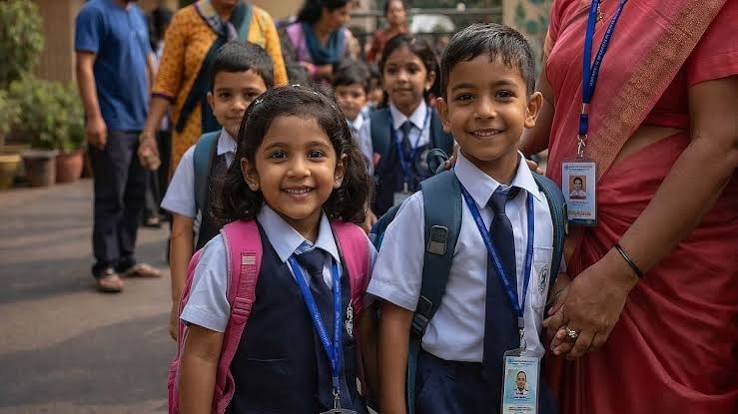
Tripura has achieved a 0% primary school dropout rate during the 2025-26 academic year, marking a major improvement in school retention. The state reported the achievement using UDISE+ data. Moreover, the primary dropout rate has fallen steadily from 2.21% in 2013-14 to zero in 2025-26. The result highlights continued efforts to keep children within the formal education system.
The development came into focus during the International Literacy Day and ULLAS Mela 2026 programme in New Delhi. Chief Minister Manik Saha highlighted Tripura’s education progress and linked the improvement to several foundational learning and student-support initiatives. However, the zero figure applies specifically to the primary stage and does not mean that dropout has disappeared across every school level.
Gopal Roy Demands Puja Grants for Tripura Clubs
0% Primary School Dropouts Mark Major Education Progress
The 0% primary school dropout rate represents the latest stage of a long-term improvement in Tripura’s school retention indicators. According to UDISE+ 2025-26 data cited by the state government, the dropout rate for Classes 1 to 5 stood at 0.0% for boys, girls and the overall student population.
The figure marks a significant change from earlier years. In 2013-14, Tripura recorded a primary dropout rate of 2.21%. Therefore, the movement from 2.21% to 0% reflects a substantial improvement in the state’s ability to retain children through the primary stage.
Meanwhile, the improvement extends beyond primary education, although the results vary by grade level. The upper-primary dropout rate stood at 3.2% in 2025-26, while the secondary dropout rate remained higher at 10.4%.
These figures show that Tripura has made its strongest progress at the primary level. However, the remaining dropout challenge at higher levels means that education authorities still need to focus on retaining students as they move into adolescence and secondary schooling.
The state government’s announcement therefore places primary education at the centre of a broader education-retention strategy. Keeping children enrolled during their first years of schooling can provide a stronger foundation for continued participation in education.
UDISE+ Data Records Zero Dropout at Primary Level
The 0% primary school dropout rate comes from UDISE+, India’s Unified District Information System for Education Plus. The platform collects and compiles education-related information from schools across the country and provides data for monitoring the education system.
For Tripura, the 2025-26 figures show a 0.0% dropout rate at the primary stage. Furthermore, the same dataset records an upper-primary dropout rate of 3.2% and a secondary dropout rate of 10.4%.
The distinction between these levels remains important. A zero primary dropout figure does not mean that every student remains in education throughout school. Instead, it indicates that the recorded dropout rate at the primary stage reached zero according to the cited UDISE+ data.
Chief Minister Manik Saha presented the development as an important education achievement for the state. He highlighted the reduction in dropout rates alongside efforts to improve foundational literacy, learning environments and access to educational support.
Moreover, the government has increasingly used data-based monitoring to identify children who may require additional assistance. School-level tracking can help education authorities identify attendance concerns and students who remain outside the formal education system.
The state has also focused on special training for out-of-school children. Such interventions can help eligible children return to education and continue their studies.
Consequently, the latest UDISE+ figures provide a measurable indicator of progress while also showing where further work remains necessary. The 3.2% upper-primary and 10.4% secondary rates demonstrate that retention remains a continuing priority beyond the primary stage.
Foundational Learning Initiatives Support Student Retention
Several 0% primary school dropouts efforts have operated alongside Tripura’s focus on foundational education. The state has implemented initiatives linked with NIPUN Bharat, foundational literacy and numeracy, and other school-support programmes.
NIPUN-related activities focus on helping children develop essential reading, language and numeracy skills during the early years of schooling. Therefore, stronger foundational learning can help children participate more effectively in classroom education.
Tripura has also implemented the Saharsha initiative and other programmes designed to improve learning and participation. In addition, schools have received learning and play materials, library resources and digital educational tools.
The government has also highlighted the importance of basic school infrastructure. Separate toilets, classroom facilities and other improvements can contribute to a more supportive environment for children.
Furthermore, parent-teacher meetings provide schools with an opportunity to discuss attendance, learning progress and individual student needs. Regular communication with families can help schools respond to problems before they lead to prolonged absence or eventual withdrawal.
Special measures also support children with different educational needs. The state has provided residential hostels, stipends for children with special needs, free uniforms and textbooks, according to government statements on the education initiatives.
These measures address several factors that can affect school participation. However, education retention depends on more than one intervention. Attendance monitoring, family engagement, learning support, infrastructure and timely assistance all play complementary roles.
The state’s plans for Balvatika also form part of this broader approach. The government has announced plans to introduce one-year preschool education in all 2,048 primary schools over the following two years.
Early childhood preparation can help children enter formal schooling with greater readiness. As a result, the government views preschool and foundational learning as connected components of the wider education system.
Tripura Plans to Sustain Primary Education Gains
The 0% primary school dropout rate gives Tripura a strong benchmark, but sustaining the result will require continued monitoring. A single annual figure cannot by itself guarantee that future cohorts will maintain the same level of school participation.
Therefore, education authorities will need to continue tracking attendance and enrolment while identifying children who face barriers to regular schooling. Schools can also use local information to provide targeted support where necessary.
The government’s planned expansion of Balvatika across all 2,048 primary schools could further strengthen the transition into formal education. Early learning programmes can help children become familiar with classroom routines and basic learning activities before entering higher grades.
Meanwhile, the higher dropout rates recorded at upper-primary and secondary levels require separate attention. The 10.4% secondary dropout rate, in particular, indicates that keeping students in school becomes more challenging as they progress through the education system.
Academic continuity also becomes increasingly important during this period because students face more demanding curricula and major transitions between school stages. Consequently, retention strategies may need to evolve as students move beyond primary education.
The state has also indicated plans to establish modern residential schools in remote and low-enrolment areas. Such facilities could improve access for children living in locations where distance or limited local enrolment creates educational challenges.
Moreover, continued investment in teachers, learning materials, digital resources and school infrastructure can support the progress already recorded. Regular data collection can help officials determine whether these measures reach students who need them most.
The primary dropout figure therefore represents both an achievement and a benchmark. Maintaining zero dropout will require the state to preserve effective retention measures while addressing the different challenges that emerge at higher levels of education.
Conclusion
Tripura’s 0% primary school dropout rate in 2025-26 marks a significant improvement in school retention, according to UDISE+ data cited by the state government. The primary dropout rate declined from 2.21% in 2013-14 to 0% in 2025-26.
However, the achievement should be viewed within the wider education picture. Upper-primary dropout stood at 3.2%, while secondary dropout remained at 10.4%. Therefore, Tripura still faces the task of maintaining primary-level gains and improving retention among older students.
Foundational learning programmes, student support measures, school infrastructure, attendance monitoring and family engagement have all formed part of the state’s broader education strategy. Consequently, sustained implementation and regular monitoring will remain important.
If Tripura can maintain its primary-level achievement while reducing dropout at upper-primary and secondary stages, the state could strengthen educational continuity across the entire school system.
FAQs
What is Tripura’s primary school dropout rate in 2025-26?
According to the cited UDISE+ 2025-26 data, Tripura recorded a 0.0% dropout rate at the primary level for boys, girls and the overall student population.
When did Tripura record a 0% primary dropout rate?
Tripura recorded the 0% primary dropout rate during the 2025-26 academic year, according to the state government’s reference to UDISE+ data.
How has Tripura’s primary dropout rate changed?
The primary dropout rate declined from 2.21% in 2013-14 to 0% in 2025-26, indicating a substantial improvement in primary-level student retention.
Is dropout completely zero across all school levels in Tripura?
No. The zero figure applies to the primary stage. UDISE+ 2025-26 data cited by the state recorded 3.2% dropout at upper-primary level and 10.4% at secondary level.
What helped Tripura achieve 0% primary school dropouts?
The state has linked the improvement with foundational learning programmes, attendance and education tracking, support for out-of-school children, school infrastructure, learning materials, parent-teacher engagement and student-support measures.