




DCDRC President Removal Quashed became a major legal development after the Tripura High Court set aside the removal of Consumer Disputes Redressal Commission President Gautam Sarkar. The court cited a breach of natural justice while reviewing the matter and emphasized the importance of procedural fairness in administrative actions. Moreover, the judgment attracted attention within legal and administrative circles because it reinforced the judiciary’s role in protecting due process and institutional accountability. Legal experts also noted that such rulings strengthen confidence in constitutional safeguards and administrative transparency.
Manipur Kangpokpi Women Protest Demand Justice
Tipra Motha Secures Massive Victory In TTAADC Election Results
Judicial Oversight Gains Importance
Courts frequently examine administrative decisions to ensure authorities follow constitutional principles and procedural fairness. In addition, judicial review plays an important role in preventing arbitrary actions within public institutions.
In this context, DCDRC President Removal Quashed reflects the judiciary’s continued emphasis on natural justice and lawful administrative conduct. The case also highlights how courts intervene when procedural safeguards are not properly followed.
Over time, Indian courts have consistently reinforced the principle that administrative decisions must remain transparent, balanced, and legally justified. Therefore, rulings involving procedural fairness often carry wider institutional significance.
High Court Sets Aside Removal Order
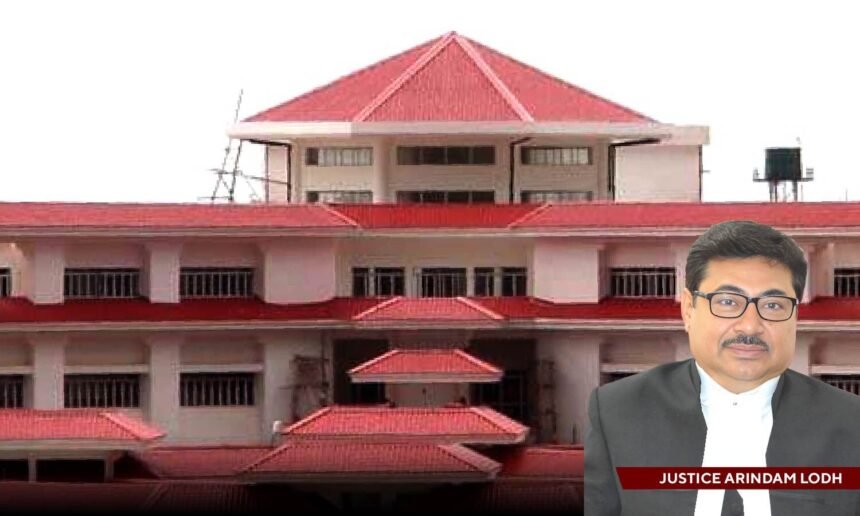
The Tripura High Court quashed the removal of Gautam Sarkar from the position of President of the Consumer Disputes Redressal Commission. Subsequently, the court observed that authorities failed to follow principles of natural justice during the process.
The DCDRC President Removal Quashed ruling underscored the importance of giving affected individuals a fair opportunity to present their case before administrative action takes effect. Furthermore, legal observers stated that procedural fairness remains a core requirement in governance and institutional decision-making.
The judgment also reinforced the judiciary’s supervisory role in reviewing administrative actions for constitutional compliance.
Key Legal Significance
The principle of natural justice requires authorities to act fairly, avoid bias, and provide proper hearing opportunities before taking disciplinary or administrative measures. Additionally, courts often treat procedural violations as serious concerns because they directly affect institutional credibility.
The significance of DCDRC President Removal Quashed lies in its reaffirmation of due process within public administration. Consequently, the ruling may influence how authorities handle future disciplinary and administrative proceedings.
Legal experts further emphasized that adherence to fair procedure strengthens public trust in governance systems and protects institutional integrity.
Governance And Public Impact
Judicial interventions in administrative disputes often attract public attention because they shape standards for accountability and transparency. Moreover, such rulings influence how government bodies approach future decision-making processes.
From a governance perspective, DCDRC President Removal Quashed highlights the judiciary’s role in maintaining checks and balances within administrative systems. In addition, the judgment reinforces the idea that authorities must follow legally established procedures before implementing major actions.
Public and legal observers are likely to closely monitor how institutions respond to the court’s observations in future cases.
What Happens Next
Following the High Court’s decision, authorities may review the administrative process connected to the case and determine further legal or procedural steps. At the same time, legal experts expect institutions to reassess internal disciplinary mechanisms to ensure compliance with due process principles.
Future developments could involve additional administrative review, legal clarification, or procedural restructuring. Furthermore, the long-term impact of DCDRC President Removal Quashed will depend on how institutions implement safeguards against procedural lapses.
The coming months may therefore influence broader discussions regarding fairness and accountability in administrative governance.
Conclusion
The Tripura High Court’s decision to set aside the removal of Gautam Sarkar marks an important legal development in administrative accountability. As judicial scrutiny over procedural fairness continues, DCDRC President Removal Quashed reinforces the importance of natural justice, institutional transparency, and lawful governance practices. Ultimately, the ruling strengthens the principle that authorities must follow fair procedures before taking significant administrative action.
FAQs
1. What did the Tripura High Court decide?
The court quashed the removal of Consumer Disputes Redressal Commission President Gautam Sarkar.
2. Why did the court set aside the removal?
The High Court cited a breach of natural justice and procedural fairness.
3. Who is Gautam Sarkar?
He served as the President of the Consumer Disputes Redressal Commission.
4. What does natural justice mean in legal terms?
It refers to fair procedure, absence of bias, and the right to a proper hearing.
5. Why is this judgment important?
The ruling reinforces procedural accountability and judicial oversight in administrative actions.
6. What may happen after the judgment?
Authorities may review procedures and consider further administrative or legal steps.