Introduction
A newly discovered plant species in Assam has been named Mon Jai in honour of renowned Assamese singer Zubeen Garg. The naming recognises the artist’s cultural influence and his contribution to Assamese music and identity.
Researchers and botanists announced the discovery while highlighting the importance of preserving biodiversity in the forests of Northeast India.
read more: Nagaland: Experts Discuss Strengthening Community Conserved Areas
Discovery of the New Plant Species
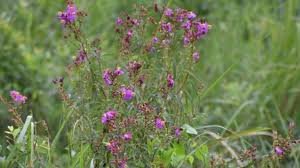
Scientists discovered the plant during botanical research in parts of Assam. After studying its unique characteristics, experts confirmed that it represents a previously undocumented species.
Moreover, researchers decided to name the plant Mon Jai, inspired by the famous phrase associated with Zubeen Garg and his music.
The naming also reflects the deep connection between nature, culture, and identity in the region.
Honouring Zubeen Garg’s Cultural Impact
Zubeen Garg remains one of the most influential cultural figures in Assam. Over the years, his music has inspired generations and strengthened regional pride.
Therefore, scientists chose to recognise his contribution by naming the newly discovered species after him. The gesture symbolises the link between artistic heritage and the natural environment.
read more: Mizoram Prefers Virtual Fencing Along the Myanmar Border: What Does It Mean?
Significance for Biodiversity Research
The discovery highlights the rich biodiversity of Assam, which forms part of the larger ecological landscape of Northeast India.
Furthermore, scientists believe that many more plant and animal species remain undiscovered in the region’s forests. Continued research and conservation efforts are therefore essential.
Protecting these ecosystems will help preserve rare species and maintain environmental balance.
Conclusion
The discovery of the Mon Jai plant species and its naming after Zubeen Garg highlights both the ecological richness and cultural pride of Assam.
Ultimately, the event celebrates the intersection of science, culture, and biodiversity, while drawing attention to the need for stronger conservation efforts in the region.