


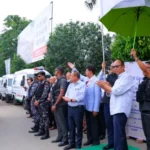


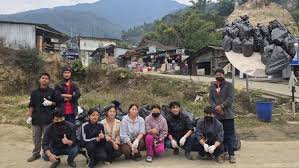
The Infrastructure and Cleanliness in Arunachal Pradesh has received a significant boost with new initiatives aimed at improving urban management and sustainability. The Pasighat Municipal Council (PMC) has introduced Standard Operating Procedures (SOPs) for ‘No Garbage Zones’ to enhance cleanliness standards.
Moreover, residents of Riga village in Siang district have shown strong support for a Sustainable Urban Mobility Plan (SUMP). As a result, these combined efforts highlight a growing commitment to environmental sustainability and modern infrastructure development.
Powerful Tourism Boost in Northeast Promotes Buddhist Pilgrimage
SOPs for ‘No Garbage Zones’ in Pasighat
The introduction of SOPs marks a crucial step in improving Infrastructure and Cleanliness in Arunachal Pradesh. Furthermore, the Pasighat Municipal Council aims to ensure strict waste management practices.
Additionally, these SOPs define clear guidelines for waste disposal, monitoring, and enforcement. Therefore, they help maintain cleaner public spaces and reduce environmental pollution.
FY 2026-27 Budget Boost: Rs 34,212 Crore Tax-Free Push for Development
Importance of Cleanliness Initiatives
Cleanliness plays a vital role in strengthening Infrastructure and Cleanliness in Arunachal Pradesh. Moreover, maintaining hygiene standards improves public health and quality of life.
In addition, clean surroundings attract tourism and investment. Consequently, such initiatives contribute to economic development.
Community Participation in Riga Village
The support from residents of Riga village highlights the importance of community involvement in Infrastructure and Cleanliness in Arunachal Pradesh. Furthermore, public participation ensures the success of development initiatives.
Additionally, local communities help in monitoring and maintaining cleanliness standards. Therefore, their involvement creates a sense of ownership and responsibility.
Sustainable Urban Mobility Plan (SUMP)
The Sustainable Urban Mobility Plan is another key component of Infrastructure and Cleanliness in Arunachal Pradesh. Moreover, SUMP focuses on improving transportation systems while reducing environmental impact.
In addition, it promotes eco-friendly mobility options such as walking, cycling, and public transport. As a result, it helps reduce traffic congestion and pollution.
Benefits of Sustainable Mobility
Sustainable mobility enhances Infrastructure and Cleanliness in Arunachal Pradesh in multiple ways. Furthermore, it reduces carbon emissions and promotes environmental conservation.
Additionally, efficient transport systems improve connectivity and accessibility. Consequently, residents benefit from better urban living conditions.
Role of Local Authorities
Local authorities play a crucial role in implementing Infrastructure and Cleanliness in Arunachal Pradesh initiatives. Moreover, the Pasighat Municipal Council ensures proper execution of SOPs and mobility plans.
In addition, coordination between departments helps achieve better results. Therefore, administrative efficiency is key to success.
Environmental and Social Impact
The focus on Infrastructure and Cleanliness in Arunachal Pradesh has both environmental and social benefits. Furthermore, cleaner cities reduce health risks and improve overall well-being.
Additionally, sustainable practices protect natural resources. As a result, future generations can benefit from a healthier environment.
Future Outlook
The future of Infrastructure and Cleanliness in Arunachal Pradesh looks promising. Moreover, continued efforts and public participation can strengthen these initiatives.
Additionally, expanding such programs to other regions can enhance overall development. Therefore, long-term commitment is essential.
FAQs
1. What are ‘No Garbage Zones’?
They are designated areas where strict waste management rules ensure zero littering.
2. Who introduced the SOPs?
The Pasighat Municipal Council (PMC) launched the SOPs.
3. What is SUMP?
SUMP stands for Sustainable Urban Mobility Plan, focusing on eco-friendly transport systems.
4. Where is Riga village located?
Riga village is in the Siang district of Arunachal Pradesh.
5. Why is community participation important?
It ensures effective implementation and long-term sustainability of initiatives.
6. How do these initiatives benefit residents?
They improve cleanliness, health, and overall quality of life.
Conclusion
The Infrastructure and Cleanliness in Arunachal Pradesh initiatives demonstrate a strong commitment to sustainable development. Moreover, the combination of SOPs for ‘No Garbage Zones’ and support for SUMP reflects a balanced approach to urban growth.
In conclusion, the Infrastructure and Cleanliness in Arunachal Pradesh efforts not only enhance living conditions but also pave the way for a cleaner and more sustainable future.