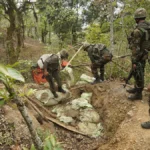






The Ministry of Home Affairs (MHA) has reportedly initiated a comprehensive review of the implementation status and compliance mechanisms of multiple peace accords signed across Northeast India since 2019. The evaluation process, being conducted through designated review panels and administrative committees, aims to assess the progress of commitments made under various agreements, identify implementation challenges, and strengthen long-term peace and governance frameworks. Moreover, the initiative underscores the Centre’s continued emphasis on sustaining peace-building efforts across the region.
Security Forces Intensify Weapon Recovery Operations in Manipur Following Previous Ethnic Violence
NH-2 Economic Blockade Disrupts Freight Movement
Home Ministry Launches Comprehensive Peace Accord Assessment
The Union Home Ministry has reportedly constituted review mechanisms to evaluate the implementation and compliance status of several peace agreements signed with various groups and stakeholders in Northeast India since 2019. Consequently, the exercise has attracted significant attention from political leaders, security agencies, and regional stakeholders.
According to officials familiar with the review process, the assessments are intended to measure progress on key commitments, administrative reforms, rehabilitation measures, and developmental initiatives outlined in the agreements. Moreover, periodic evaluations are considered essential to ensuring that peace processes remain effective and sustainable. Therefore, the latest initiative has been viewed as an important step in strengthening long-term stability.
Authorities are expected to examine implementation timelines, institutional coordination mechanisms, and outstanding obligations under the various accords. As a result, the review process may influence future policy decisions and administrative priorities.
Meanwhile, state governments and relevant agencies continue to cooperate with the ongoing evaluations.
Compliance Monitoring Seen as Critical for Sustaining Peace
Experts have emphasized that regular monitoring and evaluation are essential components of successful peace processes. Moreover, assessing compliance with agreed commitments helps maintain public confidence and strengthens institutional accountability. Therefore, the Home Ministry’s review exercise has gained strategic significance.
Political analysts noted that peace agreements often require sustained administrative support, political commitment, and coordinated implementation over extended periods. Consequently, review mechanisms play an important role in identifying gaps and ensuring that negotiated settlements continue to deliver intended outcomes. Such assessments contribute to long-term stability and governance.
Furthermore, monitoring exercises can help authorities address emerging challenges and adapt implementation strategies where necessary. As a result, periodic evaluations remain an important feature of peace-building initiatives.
Meanwhile, stakeholders continue to emphasize the importance of transparency and effective implementation.
Northeast Peace Process Continues to Evolve
Since 2019, multiple agreements and peace initiatives have been introduced across Northeast India as part of broader efforts to reduce conflict and strengthen regional stability. Moreover, these agreements have often included provisions related to political representation, rehabilitation, development, and administrative reforms. Therefore, ongoing evaluations are expected to play a significant role in shaping future peace initiatives.
Security and governance experts observed that successful peace processes require not only agreements but also sustained implementation and institutional support. Consequently, governments frequently undertake periodic assessments to evaluate progress and reinforce confidence among stakeholders. Such measures can contribute to lasting peace and social cohesion.
Furthermore, the evolving security and political landscape of the Northeast continues to influence the implementation of peace accords. As a result, policymakers remain focused on maintaining stability and strengthening governance structures.
Meanwhile, dialogue and cooperation among stakeholders continue to remain central to regional peace efforts.
Long-Term Stability Remains a Strategic Objective
The latest compliance reviews reflect the broader objective of ensuring durable peace, strengthening governance, and promoting development throughout Northeast India. Moreover, authorities continue to emphasize that peace agreements should lead to meaningful improvements in security, economic opportunity, and institutional effectiveness. Therefore, monitoring and evaluation remain key priorities.
Experts noted that sustained peace-building efforts require continuous engagement, effective administration, and public trust. Consequently, governments and institutions continue to invest in mechanisms that support long-term implementation and accountability. Such approaches can help consolidate gains achieved through negotiated settlements.
Furthermore, the findings of the current assessments may influence future policy frameworks and peace negotiations. As a result, the review process is expected to remain an important component of regional governance strategy.
Meanwhile, public and political attention remains focused on the outcomes of these evaluations.
Conclusion
The Home Ministry’s decision to initiate compliance assessments of Northeast peace accords signed since 2019 highlights the continuing importance of monitoring, accountability, and institutional coordination in peace-building efforts. Moreover, the initiative reflects broader efforts to strengthen regional stability, governance, and long-term development.
As the review process progresses, its findings are expected to influence future policy decisions and the implementation of existing agreements. Therefore, the assessments will continue to attract significant attention from political leaders, security agencies, and regional stakeholders.
The latest initiative underscores the importance of sustained commitment, effective governance, and continuous evaluation in achieving durable peace across Northeast India.
FAQs
1. What has the Home Ministry initiated?
The Ministry has reportedly begun compliance assessments of peace accords signed in Northeast India since 2019.
2. What is the purpose of these evaluations?
The reviews aim to assess implementation progress, compliance, and institutional effectiveness.
3. Why are peace accord reviews important?
They help ensure accountability, strengthen implementation, and support long-term stability.
4. What areas are likely to be evaluated?
Authorities may assess development commitments, rehabilitation measures, administrative reforms, and governance initiatives.
5. How could these assessments affect future policy?
The findings may influence future peace initiatives, governance strategies, and policy decisions.