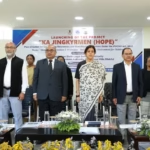
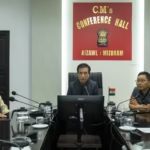




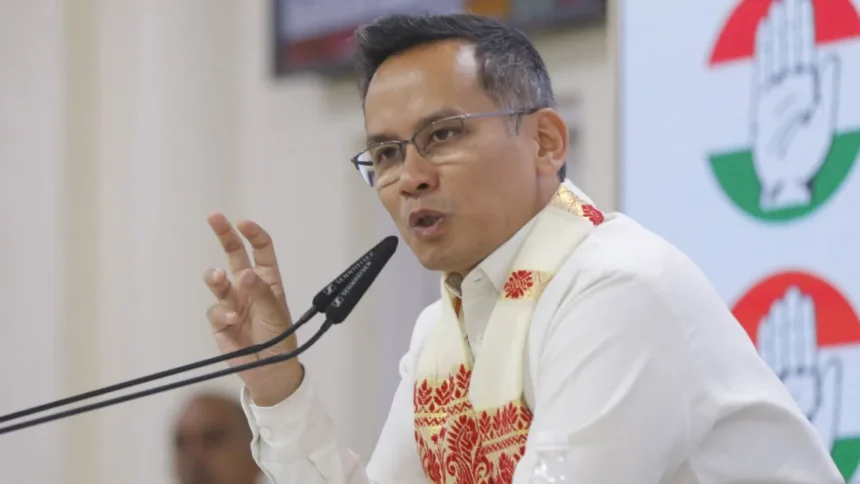
The Assam Opposition Alliance has reportedly convened a series of strategic meetings to assess the evolving political landscape and formulate a coordinated response to what it describes as potential shifts in political mandates and alliance dynamics. The consultations brought together leaders from multiple opposition parties to review electoral strategies, strengthen organizational coordination, and address concerns regarding political representation and governance. Moreover, the meetings underscore the continuing importance of coalition-building and strategic planning in Assam’s political environment.
Opposition Criticizes Exit Poll Projections
Churachandpur Joint Sweep Targets Militant Bases
Opposition Parties Convene High-Level Strategy Sessions
Leaders of the Assam Opposition Alliance reportedly held extensive discussions aimed at evaluating recent political developments and strengthening coordination among alliance partners. Consequently, the meetings focused on reviewing organizational preparedness, electoral strategies, and future political engagement.
According to political observers, opposition alliances frequently conduct strategic consultations during periods of significant political activity and administrative restructuring. Moreover, such meetings help political parties assess emerging challenges and formulate collective responses. Therefore, the latest consultations have attracted considerable political attention.
Representatives participating in the discussions reportedly emphasized the importance of maintaining unity and strengthening institutional coordination among opposition parties. As a result, the alliance’s strategic planning efforts have intensified.
Meanwhile, political analysts continue to monitor the implications of these developments for Assam’s broader political landscape.
Concerns Raised Over Political Realignments
The opposition alliance reportedly expressed concerns regarding possible shifts in political alignments and their potential impact on democratic representation and electoral dynamics. Moreover, alliance leaders emphasized the importance of safeguarding political mandates and ensuring transparency within the democratic process. Therefore, the issue has emerged as a key topic of political discussion.
Political analysts observed that concerns over political realignments and shifting alliances often become central issues in competitive political environments. Consequently, opposition parties frequently undertake strategic reviews to strengthen their organizational structures and electoral preparedness. Such exercises contribute to political mobilization and coalition management.
Furthermore, alliance members reportedly discussed mechanisms for improving coordination and communication among participating parties. As a result, efforts to strengthen political cooperation have gained momentum.
Meanwhile, discussions surrounding future political strategies continue across opposition circles.
Coalition Coordination Becomes a Priority
The recent strategy meetings highlighted the growing importance of coalition coordination and collective political action within Assam’s opposition landscape. Moreover, maintaining strong organizational relationships among alliance partners remains essential for effective political engagement. Therefore, strengthening internal coordination emerged as a major objective of the discussions.
Experts noted that opposition alliances often rely on coordinated strategies, shared policy positions, and collective decision-making mechanisms to maximize political effectiveness. Consequently, strategic consultations play an important role in alliance management. Such efforts can contribute to stronger political cohesion and organizational resilience.
Furthermore, alliance leaders reportedly examined potential approaches for enhancing public outreach and political communication. As a result, preparations for future political developments have intensified.
Meanwhile, observers continue to assess the long-term implications of these strategic discussions.
Political Competition Expected to Intensify
The latest consultations by the Assam Opposition Alliance indicate that political competition in the state may become increasingly organized and strategically driven. Moreover, both ruling and opposition parties continue to strengthen their organizational structures and electoral strategies. Therefore, political developments in the coming months are expected to attract significant public attention.
Political experts emphasized that strategic planning and coalition-building remain fundamental aspects of democratic competition. Consequently, opposition alliances frequently undertake organizational reviews to improve their preparedness and electoral effectiveness. Such developments play an important role in shaping political discourse.
Furthermore, continued engagement among alliance partners is expected to influence future political strategies and policy debates. As a result, political observers remain closely focused on emerging developments.
Meanwhile, discussions regarding governance, representation, and electoral strategy continue across the political spectrum.
Conclusion
The strategic meetings conducted by the Assam Opposition Alliance reflect the continuing importance of coalition politics, political coordination, and organizational preparedness in the state’s evolving political landscape. Moreover, the consultations highlight broader concerns regarding political representation, alliance dynamics, and democratic competition.
As political parties continue to prepare for future electoral and governance challenges, strategic coordination and coalition management are expected to remain central features of Assam’s political environment. Therefore, developments related to opposition alliances and political realignments will continue to attract substantial public and political attention.
The latest consultations underscore the enduring significance of political strategy, organizational unity, and democratic engagement in contemporary politics.
FAQs
1. What was the purpose of the Assam Opposition Alliance meetings?
The meetings focused on reviewing political developments, strengthening coordination, and preparing future strategies.
2. What concerns were reportedly discussed?
Alliance leaders reportedly discussed concerns regarding political realignments and shifts in political mandates.
3. Why are coalition meetings important?
They help strengthen coordination, improve strategy formulation, and maintain alliance unity.
4. How do opposition alliances influence politics?
They contribute to political competition, policy debates, and democratic representation.
5. Why have these meetings attracted attention?
The consultations may influence future political strategies and electoral dynamics in Assam.