



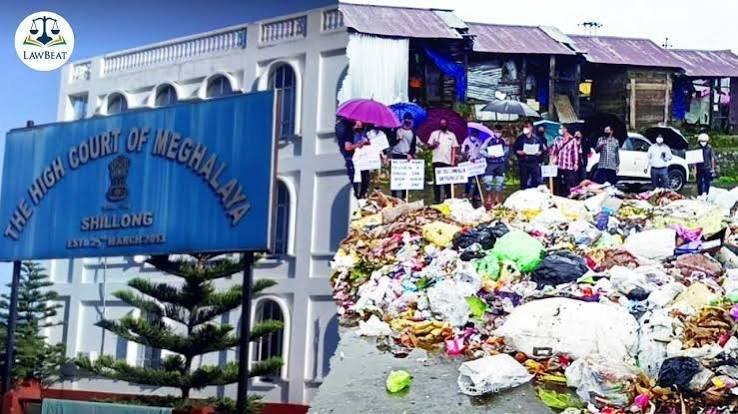
The Jowai Waste Plant project has moved forward as plans were approved for an eco-friendly solid waste management plant near Jowai. According to the available information, the proposed facility aims to improve waste processing, strengthen sanitation systems, and promote sustainable waste management practices in the region.
State Assembly Drafts Bill to Protect Ancient Tribal Monoliths
The Jowai Waste Plant update highlights Meghalaya’s efforts to develop environmentally responsible solutions for growing waste management challenges. According to the available information, the planned facility will focus on scientific waste treatment methods while reducing the impact of unmanaged waste disposal.
Solid waste management has become an important concern for expanding towns due to increasing waste generation and limited disposal infrastructure. Moreover, modern waste processing facilities can help improve cleanliness, reduce pollution, and support healthier communities.
The latest development underscores the importance of sustainable urban planning in smaller towns and developing regions. Therefore, authorities are focusing on infrastructure that combines environmental protection with effective public services.
The initiative also reflects growing attention toward eco-friendly development practices. Additionally, proper waste management can support cleaner surroundings, resource recovery, and improved quality of life for residents.
Jowai Waste Plant Aims to Improve Waste Processing System
The Jowai Waste Plant project is designed to strengthen solid waste management capabilities near Jowai. According to the available information, authorities have approved plans for an environmentally friendly waste management facility.
Moreover, scientific waste processing can reduce dependence on traditional dumping methods and encourage better waste segregation practices. Consequently, the proposed plant could help create a more organized waste management system in the area.
Modern solid waste facilities often focus on recycling, waste treatment, and responsible disposal methods. Furthermore, such infrastructure can reduce environmental risks associated with unmanaged garbage accumulation.
The available information confirms that the project plans have received approval. However, authorities have not released details regarding the construction timeline, investment amount, plant capacity, technology specifications, or operational schedule.
Authorities Advance Jowai Waste Plant Development Plans
The Jowai Waste Plant initiative represents a broader effort to improve waste management infrastructure in Meghalaya. Officials are expected to continue planning and implementation processes to establish the facility near Jowai.
Additionally, organized waste management systems can benefit local communities by improving sanitation and reducing environmental concerns. This approach supports sustainable development while addressing long-term waste disposal requirements.
Authorities continue exploring solutions that promote cleaner towns and responsible resource management. Meanwhile, public awareness and participation in waste segregation will remain important for the success of such projects.
The available information does not mention the exact location of the plant, construction start date, or agencies responsible for implementation. Therefore, the current update focuses on the approval of plans for the eco-friendly facility.
Further announcements may provide additional information regarding project progress and operational details.
Jowai Waste Plant Highlights Sustainable Environmental Planning
The Jowai Waste Plant project highlights the growing importance of sustainable waste management across Meghalaya. Effective waste infrastructure can help towns manage increasing waste volumes while protecting natural resources.
Moreover, eco-friendly waste facilities can encourage recycling, reduce landfill pressure, and support cleaner urban environments. Consequently, investments in waste management infrastructure play an important role in sustainable development.
The approval of the project reflects a commitment toward improving environmental services in the Jowai region. Similarly, cooperation between authorities, local bodies, and residents will be essential for achieving long-term waste management goals.
Managing solid waste efficiently remains a key challenge for developing areas. Therefore, the Jowai Waste Plant update reinforces the importance of modern infrastructure, environmental responsibility, and sustainable planning.
As the project moves ahead, future updates may provide further details regarding construction progress, technology adoption, and community benefits.
Conclusion
The Jowai Waste Plant project has reached an important stage after plans were approved for an eco-friendly solid waste management facility near Jowai. The initiative aims to improve waste processing systems and support cleaner environmental conditions.
Furthermore, effective implementation of the project can strengthen sanitation services and promote sustainable waste practices in the region. Continued coordination between authorities and communities will remain important for ensuring the facility’s success.
Overall, the Jowai Waste Plant update highlights the importance of eco-friendly infrastructure, responsible waste management, and sustainable development in Meghalaya.
FAQs
1. What is the latest Jowai Waste Plant update?
The Jowai Waste Plant update confirms that plans have been approved for an eco-friendly solid waste management facility near Jowai.
2. Why is the waste management plant being developed?
The plant aims to improve waste processing, reduce pollution, and strengthen sanitation systems in the region.
3. Where will the proposed waste plant be located?
According to the available information, the facility is planned near Jowai, Meghalaya.
4. Has construction of the plant started?
No. The available information confirms that plans have been approved but does not mention the construction timeline.
5. How will the plant benefit the region?
The facility is expected to support cleaner surroundings, better waste treatment, and more sustainable waste management practices.