





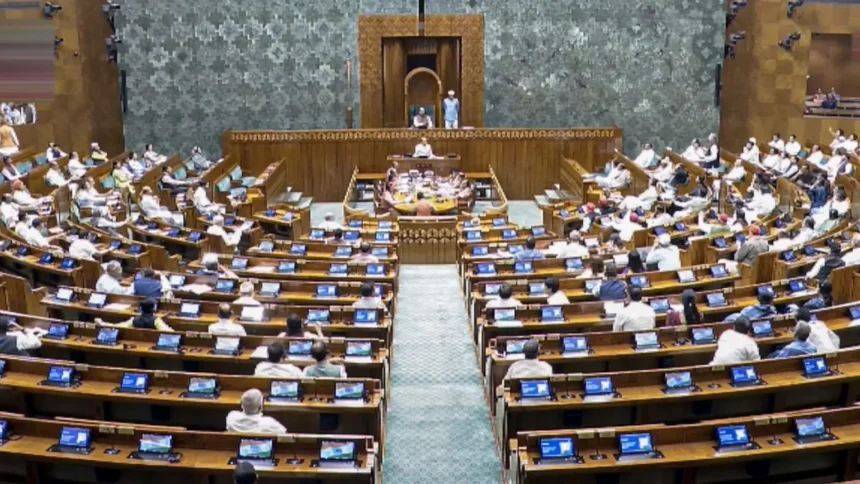
The FCRA Bill deadlock has intensified in Parliament as opposition parties within the INDIA bloc demand that a Joint Parliamentary Committee (JPC) examine the proposed Foreign Contribution (Regulation) Amendment Bill, 2026. Opposition leaders have argued that the proposed changes could disproportionately affect minority institutions, non-governmental organisations, and other groups that receive foreign contributions.
Shillong Parliamentary Vacancy: Electoral Bodies Advance Revision Tracking
The demand has created another point of confrontation between the government and the opposition. Moreover, opposition parties want detailed parliamentary scrutiny before Parliament considers the legislation further.
The government, meanwhile, is expected to defend the proposed amendments and explain the regulatory objectives behind the bill. However, opposition allegations that the legislation unfairly targets particular institutions remain political claims unless established through parliamentary examination or other evidence.
FCRA Bill Deadlock Deepens in Parliament
The demand for a JPC has emerged as a central issue in the parliamentary dispute over the proposed legislation.
A Joint Parliamentary Committee can examine a bill in greater detail, hear representations, seek information, and consider concerns raised by different stakeholders. Therefore, opposition parties see a committee review as a way to examine the bill’s provisions before further legislative action.
The INDIA bloc’s demand has consequently added pressure on the government to respond to calls for broader scrutiny.
However, the government may argue that Parliament can examine the legislation through the normal legislative process without referring it to a JPC.
Opposition Raises Minority Institution Concerns
Opposition parties have raised concerns about the potential impact of the proposed amendments on minority institutions.
They argue that changes to foreign-contribution regulations could create additional compliance requirements or restrictions for organisations operating in sectors such as education, healthcare, social welfare, and community development. Furthermore, opposition leaders contend that stricter provisions could affect organisations that depend on legitimate foreign funding.
These concerns have become an important part of the political debate.
However, the actual impact would depend on the final provisions of the legislation and how authorities implement them.
NGOs Become Central to the Debate
NGOs have also become a major focus of opposition criticism.
Many organisations use foreign contributions to support social programmes, humanitarian activities, research, education, and development projects. Consequently, changes to the regulatory framework could have implications for their funding and compliance processes.
Opposition parties want Parliament to examine these potential consequences in detail.
Moreover, a JPC could hear representations from stakeholders and examine whether the proposed rules maintain an appropriate balance between regulation and legitimate organisational activity.
However, concerns about possible effects do not necessarily establish that the bill intends to target NGOs.
Government Faces Pressure to Explain Bill
The political deadlock places the government under pressure to clearly explain the objectives behind the proposed amendments.
The government may argue that stronger regulation can improve transparency, accountability, and oversight of foreign contributions. Additionally, officials could highlight concerns involving financial compliance and the appropriate use of foreign funds.
Such arguments are likely to feature prominently in the parliamentary debate.
However, opposition parties are seeking greater scrutiny of how the proposed provisions could affect legitimate organisations.
Why a JPC Matters
A Joint Parliamentary Committee can provide a broader examination of contentious legislation.
The committee can study provisions in detail, receive evidence, consult stakeholders, and make recommendations. Furthermore, committee scrutiny can allow lawmakers to examine technical and legal questions that may receive less attention during floor debates.
For the opposition, a JPC would therefore provide an opportunity to investigate the concerns surrounding the FCRA amendments.
However, a committee recommendation does not automatically determine the final parliamentary outcome.
INDIA Bloc Seeks Greater Opposition Coordination
The JPC demand also reflects efforts by INDIA bloc parties to coordinate their parliamentary strategy.
Opposition parties can use a common position to increase pressure on the government during discussions and procedural negotiations. Moreover, coordination can help different parties present shared concerns about legislation affecting civil society organisations.
The FCRA dispute could therefore become another test of opposition unity.
However, individual opposition parties may differ on specific provisions or broader legislative strategy.
Foreign Contributions Remain Sensitive Issue
Foreign funding has long remained a sensitive area of public policy in India.
The FCRA framework regulates how eligible organisations receive and use foreign contributions. Therefore, amendments to the framework can affect organisations that rely on overseas funding for social, educational, humanitarian, or development activities.
The government and opposition differ over how the regulatory framework should balance oversight with organisational freedom.
Consequently, the proposed bill has attracted attention beyond Parliament.
Minority Institutions Seek Clarity
Questions surrounding minority institutions have added another layer to the dispute.
Opposition leaders want Parliament to examine whether the proposed changes could create disproportionate compliance burdens for institutions serving minority communities. Additionally, they want lawmakers to assess whether the bill could affect legitimate educational, charitable, or social activities.
A detailed committee review could address these concerns provision by provision.
However, the final implications will depend on the text ultimately enacted by Parliament.
Parliament Faces a Larger Political Test
The FCRA dispute comes during an already contentious parliamentary session.
The opposition’s demand for a JPC could become part of broader negotiations over the government’s legislative agenda. Furthermore, disagreements over the bill could affect the atmosphere surrounding other parliamentary business.
Both sides therefore face pressure to maintain their respective positions.
However, parliamentary negotiations can still produce changes to legislation before final passage.
Civil Society Watches Developments
Civil-society organisations are closely watching the debate because changes to foreign-funding rules could affect their operations.
Organisations may seek clarity about compliance requirements, funding restrictions, reporting obligations, and enforcement mechanisms. Moreover, stakeholder consultations could help lawmakers identify practical difficulties within the proposed framework.
A parliamentary committee could provide a formal platform for such concerns.
However, stakeholder views are likely to vary depending on the organisation and its funding structure.
Regulatory Oversight Versus Organisational Freedom
At the heart of the FCRA Bill deadlock lies a broader debate over regulation and institutional autonomy.
The government can argue that foreign contributions require effective oversight to ensure transparency and prevent misuse. Meanwhile, opposition parties can argue that regulations should not create unnecessary barriers for legitimate organisations.
Finding an appropriate balance will remain central to the parliamentary discussion.
Furthermore, clear rules can help organisations understand their obligations while giving authorities stronger enforcement mechanisms.
What Happens Next?
The immediate question is whether the government will accept the opposition’s demand for a JPC.
If Parliament refers the bill to a committee, lawmakers could conduct detailed consultations and examine the proposed provisions before submitting recommendations. Conversely, if the government proceeds without a JPC, opposition parties could intensify their parliamentary resistance.
The next stage will therefore depend on negotiations between the government and opposition.
Moreover, the final legislative process could involve amendments to address concerns raised during parliamentary discussions.
Conclusion
The FCRA Bill deadlock has intensified as the INDIA bloc demands a Joint Parliamentary Committee to scrutinize the Foreign Contribution (Regulation) Amendment Bill, 2026. Opposition parties have raised concerns about the potential impact of the proposed changes on minority institutions, NGOs, and organisations that depend on legitimate foreign contributions.
Moreover, the government is likely to defend the bill on grounds of regulation, transparency, and accountability. At the same time, the opposition wants Parliament to examine whether the proposed provisions could impose disproportionate burdens on legitimate organisations.
Overall, the JPC demand has become a major test of government-opposition negotiations. Detailed parliamentary scrutiny could help clarify the bill’s implications, while the final outcome will depend on the government’s response, opposition coordination, committee proceedings if approved, and the eventual legislative process.
FAQs
1. What is the FCRA Bill deadlock about?
The dispute centres on the opposition INDIA bloc’s demand for a Joint Parliamentary Committee to examine the proposed FCRA Amendment Bill, 2026.
2. Why does the opposition want a JPC?
Opposition parties want detailed scrutiny of the bill and an opportunity to examine its potential impact on NGOs, minority institutions, and other organisations receiving foreign contributions.
3. What concerns have opposition parties raised?
They have alleged that some proposed changes could disproportionately affect minority institutions and NGOs or increase compliance burdens on organisations receiving legitimate foreign funding.
4. What does the government argue?
The government is expected to emphasise regulation, transparency, accountability, and oversight of foreign contributions as key objectives of the proposed amendments.
5. Could a JPC change the bill?
A JPC can examine provisions and recommend changes, but its recommendations do not automatically determine the final form of legislation. Parliament ultimately decides the bill’s passage.