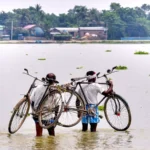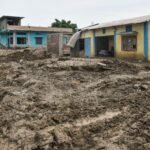





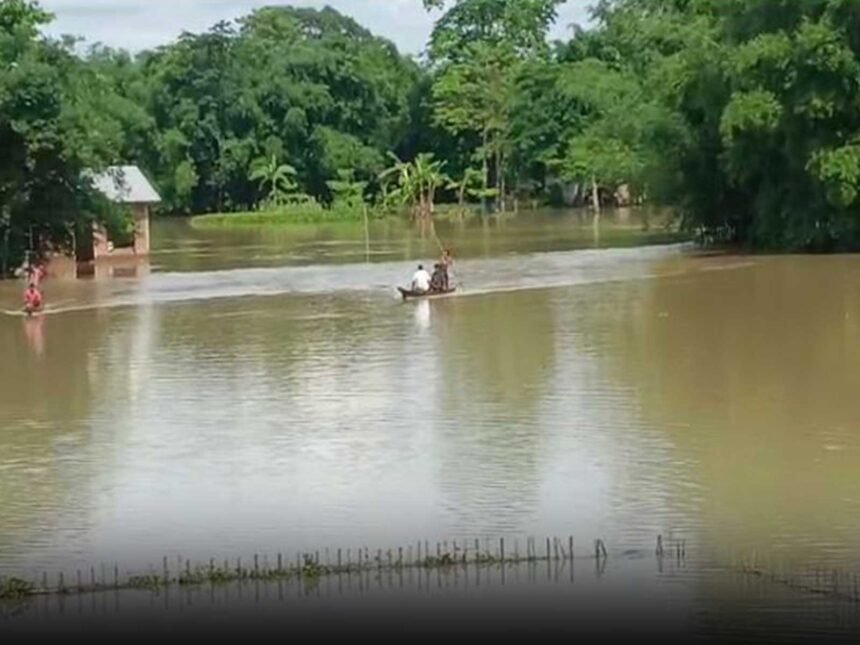
Sivasagar district has reportedly emerged as one of the worst-affected areas in Assam’s ongoing flood crisis, with more than 60,000 residents displaced as floodwater, silt, and mud inundate communities. The reported scale of displacement has placed significant pressure on local relief and emergency-response systems.
The situation highlights the severe impact of prolonged flooding on homes, roads, farmland, and local livelihoods. Moreover, the accumulation of silt and mud can make recovery more difficult even after floodwaters begin to recede.
District authorities face the challenge of supporting displaced residents while monitoring changing water levels. However, the available information does not provide a village-wise breakdown, the number of operational relief camps in Sivasagar, or an official assessment of property damage.
Assam Reviews Flood Mapping After Worst-Hit Districts
Sivasagar Faces Major Displacement
More than 60,000 residents in Sivasagar have reportedly been displaced by the ongoing flood conditions.
The large number of displaced people demonstrates the severity of the situation in the district. Furthermore, families forced to leave their homes may require temporary accommodation, food, drinking water, healthcare, and sanitation facilities.
Local authorities therefore face substantial logistical demands.
However, the available information does not specify how many displaced residents have moved to designated relief camps.
Silt and Mud Complicate the Crisis
The reported accumulation of silt and mud has added another challenge for affected communities.
Floodwater can carry large quantities of sediment into residential areas, agricultural fields, and roads. Additionally, thick deposits can obstruct drainage channels and make roads difficult to use even after water levels fall.
The resulting cleanup can require considerable time and resources.
However, the exact volume of sediment deposited across Sivasagar has not been provided.
Homes Face Prolonged Disruption
Displacement can continue even after floodwater begins to recede.
Residents may be unable to return if homes remain surrounded by water, covered with mud, or damaged by prolonged exposure to flooding. Moreover, families may need to clean, repair, and disinfect their homes before safely returning.
This can extend the humanitarian impact of the flood.
However, no official estimate of damaged or destroyed houses has been provided.
Agriculture Faces Additional Pressure
Sivasagar’s agricultural communities can face serious difficulties when farmland remains submerged.
Floodwater and deposited silt can damage standing crops, delay cultivation, and affect soil conditions. Furthermore, farmers may lose access to fields and agricultural equipment during prolonged flooding.
Recovery can therefore continue well beyond the immediate emergency.
However, the available information does not identify the total agricultural area affected in Sivasagar.
Roads and Transport Become Difficult
Flooding and mud deposits can disrupt local transportation.
Waterlogged roads may become unsafe for ordinary vehicles, while heavy sediment can obstruct access routes. Additionally, damaged roads can make it harder for relief teams to deliver food, medicine, and other essential supplies.
Maintaining emergency access therefore becomes a priority.
However, the condition of specific roads in Sivasagar has not been detailed.
Relief Operations Face Greater Demand
The reported displacement of more than 60,000 people can place considerable pressure on relief infrastructure.
Authorities may need to maintain sufficient stocks of food, drinking water, medicines, sanitation materials, and temporary shelter. Moreover, relief requirements can increase if additional communities become inaccessible or require evacuation.
Effective coordination can help authorities manage these demands.
However, the number of relief facilities currently operating in Sivasagar remains unspecified.
Healthcare Support Remains Important
Large-scale displacement can increase demand for medical services.
Health teams may need to monitor residents for illnesses associated with contaminated water, poor sanitation, and prolonged exposure to flood conditions. Furthermore, people with existing medical needs may require continued access to medicines and healthcare facilities.
Maintaining medical support can therefore help protect displaced communities.
However, no figures for flood-related medical cases have been provided.
Drinking Water Requires Attention
Flooding can affect normal drinking-water sources.
Floodwater may contaminate wells, pipelines, and other local sources, increasing the need for safe alternatives. Additionally, relief centres may require regular supplies of clean drinking water for large numbers of residents.
Water management therefore remains an essential part of the emergency response.
However, the available information does not identify specific drinking-water disruptions in Sivasagar.
Silt Can Delay Recovery
The effects of flooding may continue after water levels decline.
Mud and sediment can cover roads, fields, homes, and public spaces. Moreover, residents may require machinery and coordinated cleanup operations to restore access to affected areas.
This can make recovery slower than the initial evacuation process.
However, no specific government cleanup programme has been identified in the information provided.
Vulnerable Residents Need Priority
Displacement can create additional challenges for vulnerable groups.
Children, elderly residents, people with disabilities, and families requiring regular medical support may need specialised assistance. Furthermore, authorities can prioritise these groups when distributing shelter, food, medicines, and other essential supplies.
Targeted assistance can improve emergency support.
However, the reported 60,000-plus figure does not provide a demographic breakdown.
Community Volunteers Can Support Relief
Local volunteers can play an important role during major flood emergencies.
Community groups can assist with food distribution, transportation, information sharing, and support for residents who need additional help. Additionally, local knowledge can help emergency teams identify isolated communities and difficult access routes.
Such support can complement official response operations.
However, the available information does not provide details about volunteer organisations currently working in Sivasagar.
River Conditions Remain Important
The future of the flood situation will depend partly on rainfall and river conditions.
Continued rainfall can increase water levels and prolong inundation, while declining rainfall can allow floodwaters to gradually recede. Moreover, upstream conditions can influence downstream flooding even when local rainfall decreases.
Authorities therefore need continuous monitoring.
However, the information provided does not include current river gauge readings for Sivasagar.
Recovery Will Require Assessment
A full assessment can begin once floodwaters recede sufficiently.
Officials may inspect homes, roads, agricultural fields, public infrastructure, and other assets to determine the extent of damage. Furthermore, detailed assessments can help authorities identify communities requiring reconstruction and livelihood assistance.
Accurate data will therefore support longer-term recovery.
However, no timeline has been provided for completing such an assessment.
What Happens Next?
District authorities are expected to continue supporting displaced residents while monitoring flood conditions.
Officials may expand relief arrangements if additional communities become affected. Moreover, emergency teams may focus on restoring transportation, maintaining essential supplies, and preparing for eventual cleanup operations.
The pace of recovery will depend heavily on rainfall and the rate at which floodwaters recede.
However, the available information does not indicate when residents will be able to return home.
Conclusion
The reported Sivasagar flood displacement has affected more than 60,000 residents, making the district a major focus of Assam’s ongoing humanitarian response. Floodwater, silt, and mud have reportedly disrupted homes, roads, agricultural land, and local livelihoods.
Moreover, displaced families may require continued access to shelter, food, clean water, healthcare, and sanitation while flooding persists. At the same time, extensive mud and sediment deposits could make cleanup and rehabilitation more difficult after water levels decline.
Overall, the Sivasagar flood crisis highlights the need for sustained relief operations, accurate damage assessments, and coordinated recovery efforts as authorities work to support thousands of displaced residents.
FAQs
1. How many residents have reportedly been displaced in Sivasagar?
More than 60,000 residents have reportedly been displaced by the flooding.
2. What has contributed to the disruption?
The reported flooding has brought water, silt, and mud into affected communities, disrupting homes and infrastructure.
3. Why can silt and mud make recovery difficult?
Deposited sediment can block roads and drains, cover farmland, and make homes and public spaces harder to clean.
4. What support do displaced residents need?
They may require temporary shelter, food, drinking water, healthcare, sanitation, and transportation assistance.
5. When can residents return home?
The available information does not provide a specific return timeline. Authorities will need to assess water levels and the condition of homes and infrastructure first.