





Prime Minister Narendra Modi has reaffirmed the Northeast logistics connectivity push as a central part of his government’s Act East strategy. The approach seeks to improve roads, railways, waterways, airports and multimodal freight networks across the region.
Recent projects in Assam and other northeastern states have placed logistics at the centre of the region’s economic transformation. Moreover, the government increasingly presents the Northeast as a bridge between India and Southeast Asia rather than only as a remote frontier.
The emphasis comes alongside the broader “Act East, Act Fast, Act First” approach. Officials have linked the policy with faster infrastructure execution, stronger trade connectivity and improved access to markets in India and Southeast Asia.
Malem Thongam’s Kashmir-to-Mizoram Peace Ride Gains Local Support
Northeast Logistics Connectivity Push Strengthens Act East Vision
The Northeast logistics connectivity push reflects a wider change in how the Centre views the region’s economic role. Instead of treating connectivity mainly as a means of linking northeastern states with the rest of India, policymakers increasingly see the region as a gateway towards Southeast Asia.
Prime Minister Modi has repeatedly highlighted the Northeast’s strategic location in this context. In March 2026, during his visit to Silchar, he described North-East India as the centre of India’s Act East Policy and said the region was becoming a bridge connecting India with Southeast Asia.
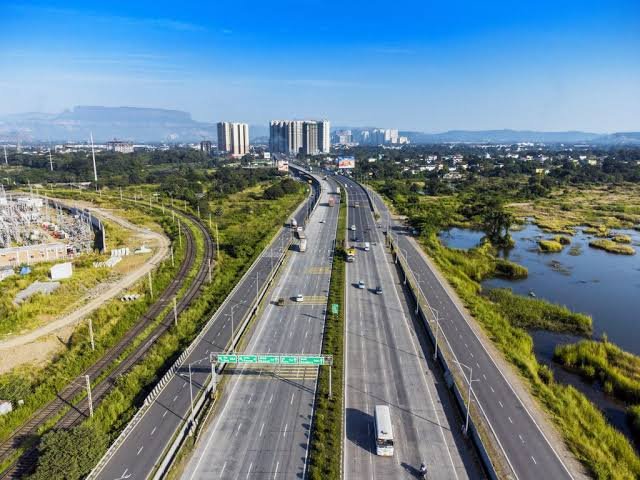
That vision depends heavily on reliable transport infrastructure. Faster roads can reduce travel times for freight, while improved rail and waterway connections can provide additional options for moving goods. Similarly, better airport infrastructure can support high-value and time-sensitive cargo.
The government’s policy framework also extends beyond physical roads and bridges. The Ministry of Development of North Eastern Region has described connectivity under the Act East Policy as physical, digital, economic and people-to-people connectivity. This broader approach aims to support trade, investment and regional integration.
Furthermore, the Centre has linked logistics improvements with industrial development in the Northeast. Better connectivity can help producers reach larger markets while reducing some of the logistical barriers faced by businesses operating in mountainous and geographically fragmented areas.
The strategy therefore combines infrastructure development with a larger economic objective. If transport networks become more efficient, the Northeast could play a greater role in regional supply chains and cross-border commerce.
Northeast Logistics Connectivity Push Expands Multimodal Infrastructure
The Northeast logistics connectivity push has gained momentum through projects combining road, rail and inland-waterway infrastructure. Assam has emerged as a particularly important logistics hub because of its location and its access to the Brahmaputra river system.
In March 2026, Prime Minister Modi dedicated an elevated road corridor connecting Pandu Port in Guwahati with National Highway-27. The project was designed to improve the connection between the inland port and the national highway network, addressing an important last-mile logistics gap.
The same programme included projects at Biswanath Ghat and Neamati, as well as a Regional Centre of Excellence at Bogibeel in Dibrugarh. The Centre said the projects represented an investment of ₹526 crore in Assam’s waterways and related infrastructure.
The Pandu Port corridor has particular significance because inland waterways can complement road and rail transportation. Consequently, stronger links between river ports and highways can provide businesses with more options for moving bulk and commercial cargo.
Meanwhile, the government has also focused on developing international connectivity through the Act East framework. The India-Myanmar-Thailand Trilateral Highway and the Kaladan Multi-Modal Transit Transport Project remain among the flagship initiatives associated with this strategy.
The Kaladan project includes both waterway and road components. The waterway component was completed and inaugurated in May 2023, while the road component covers a 109-kilometre two-lane route between Paletwa in Myanmar and Zorinpui in Mizoram.
Integrated Check Posts and Border Haats also form part of the wider connectivity architecture. These facilities can support regulated cross-border movement while creating opportunities for trade between communities and businesses.
Together, these projects indicate that the Northeast logistics strategy involves several layers. Domestic highways and ports provide the foundation, while international corridors seek to connect the region with neighbouring countries and Southeast Asian markets.
Northeast Logistics Connectivity Push Targets Trade and Investment
The Northeast logistics connectivity push also has implications for investment and regional commerce. The Centre has increasingly linked improved infrastructure with the region’s potential to attract industries, expand tourism and connect local producers with national and international markets.
In March, Modi said the Shillong-Silchar High-Speed Corridor would connect Silchar with Mizoram, Manipur and Tripura and eventually provide a link towards Southeast Asian markets. He described Barak Valley as a potential major logistics and trade hub for the Northeast.
Such corridors can have an impact beyond passenger travel. Efficient highways can help agricultural producers, manufacturers and traders move goods more reliably. Moreover, improved road access can strengthen connections between production centres, warehouses, markets and border points.
The Centre has also encouraged states to develop investment-friendly systems alongside infrastructure. At the 73rd North Eastern Council plenary session in Shillong, Union Home Minister Amit Shah called for regular review of Single Window Clearance systems to make the Northeast more attractive to investors.
The policy therefore combines infrastructure with administrative reform. Faster approvals, better logistics and reliable connectivity can work together to reduce barriers for businesses considering investment in the region.
Tripura has also been positioned within this economic strategy. During the Destination Tripura Business Conclave in July 2026, Union Minister for Development of North Eastern Region Jyotiraditya Scindia described the state as an emerging gateway to Southeast Asia and highlighted connectivity, logistics and industrial development as key priorities.
Additionally, a High-Level Task Force on infrastructure, logistics cost and connectivity has been working on a strategic framework for the Northeast. The initiative involves chief ministers and the Union Ministry of Development of North Eastern Region, with the objective of improving regional infrastructure and logistics.
The emphasis on logistics costs is important for businesses. Difficult terrain and long distances can increase transportation expenses, particularly for smaller producers. Therefore, improving multimodal connectivity could make northeastern products more competitive.
Northeast Logistics Connectivity Push Links Region With Southeast Asia
The Northeast logistics connectivity push ultimately forms part of India’s broader effort to strengthen economic relations with Southeast Asia. The region’s location gives it potential to serve as a land and multimodal bridge between the Indian mainland and neighbouring countries.
The Act East Policy places the Northeast at the centre of India’s engagement with Southeast Asia. According to the Ministry of Development of North Eastern Region, cross-border connectivity infrastructure remains a central focus of the policy.
The India-Myanmar-Thailand Trilateral Highway is particularly important to this objective. Once fully developed and operational across its planned route, it is intended to create stronger road connectivity between India and Southeast Asian markets.
The Kaladan project offers another model by combining maritime, inland-waterway and road transport. Such multimodal systems can reduce dependence on a single transport route and potentially improve access to India’s northeastern states.
However, international connectivity also depends on factors beyond infrastructure construction. Border procedures, security conditions, customs coordination and developments in neighbouring countries can influence how effectively a corridor functions.
The Myanmar situation, in particular, remains an important factor for routes passing through the country. Consequently, India’s infrastructure ambitions require sustained diplomatic and operational coordination with neighbouring states.
At the domestic level, the Northeast also needs stronger connections between its own states. Better links between Assam, Meghalaya, Tripura, Mizoram, Manipur, Nagaland, Arunachal Pradesh and Sikkim can create a more integrated regional market.
Meanwhile, digital connectivity can complement physical infrastructure. Faster information flows can support logistics management, e-commerce, financial services and coordination between producers and transport operators.
The government has therefore presented the Northeast as an emerging growth corridor rather than simply a border region. At the North-East India Infrastructure Summit in June 2026, Union Minister Sarbananda Sonowal described the region as a logistics, trade and connectivity corridor linking South Asia with Southeast Asia.
Conclusion
The Northeast logistics connectivity push has become a major component of the Centre’s Act East strategy under Prime Minister Narendra Modi. Recent investments in highways, ports, waterways and multimodal corridors show an effort to strengthen both domestic connectivity and international trade links.
The long-term impact will depend on completing projects efficiently and ensuring that new infrastructure supports businesses and communities across the region. Therefore, better logistics, coordinated border infrastructure and stronger links with Southeast Asia could determine how successfully the Northeast develops into a major trade and growth corridor.
FAQs
What is the Northeast logistics connectivity push?
The Northeast logistics connectivity push refers to efforts to improve roads, railways, waterways, airports, ports and multimodal transport systems across the northeastern region.
How does the strategy support Act East?
The strategy aims to improve connections between the Northeast, the rest of India and Southeast Asia. Projects such as the India-Myanmar-Thailand Trilateral Highway and Kaladan Multi-Modal Transit Transport Project support this objective.
Why is Assam important to Northeast logistics?
Assam occupies a central position in the region’s transport network and has access to major highways and the Brahmaputra waterway. Projects around Pandu Port are designed to strengthen links between inland waterways and national highways.
What role can logistics play in the Northeast economy?
Improved logistics can reduce transportation barriers, support trade and help local producers access larger markets. Better connectivity can also make the region more attractive for investment and tourism.
How is the Northeast being connected with Southeast Asia?
The Northeast logistics connectivity push includes international projects such as the India-Myanmar-Thailand Trilateral Highway, the Kaladan Multi-Modal Transit Transport Project, Integrated Check Posts and Border Haats.