

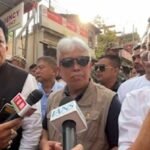
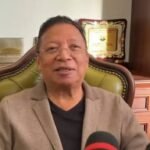




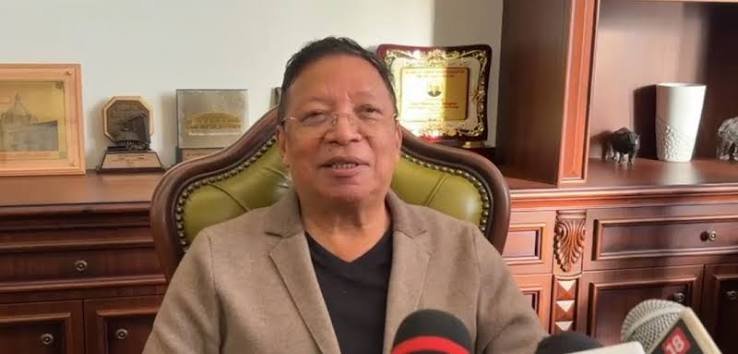
The UDP MLAs merger issue has drawn fresh attention in Meghalaya, as three remaining United Democratic Party legislators are reportedly preparing to join the ruling National People’s Party. Assembly Speaker Thomas A. Sangma is central to the unfolding political developments as the legislators seek an appointment with him.
The three MLAs are Paul Lyngdoh, Nujorki Sungoh and Renikton Lyngdoh Tongkhar. According to reports published on October 19, 2026, they are expected to join the NPP on October 23. However, the proposed move and its schedule have not been officially confirmed.
UDP MLAs Merger Plan Gains Momentum
The reported move follows a major change in Meghalaya’s political landscape. The Speaker recently recognised the merger of eight UDP legislators with the Bharatiya Janata Party, significantly reducing the regional party’s strength in the state Assembly.
The latest development could further weaken the UDP, which had 12 legislators before the earlier departures. With eight members moving to the BJP, the party was left with four MLAs, including its president, Metbah Lyngdoh.
Now, three of the remaining four legislators are reportedly preparing to join the NPP. If they proceed, Metbah Lyngdoh would become the UDP’s sole representative in the 60-member Meghalaya Legislative Assembly.
Moreover, the proposed switch could strengthen the NPP’s position within the ruling Meghalaya Democratic Alliance. However, the final outcome will depend on the legislators’ formal decision and the required procedures.
Speaker Thomas A. Sangma’s Role
The three legislators have reportedly sought an appointment with Meghalaya Assembly Speaker Thomas A. Sangma. Reports indicate that the meeting was sought for October 19, although further details about the discussions and any formal submission require confirmation.
The Speaker’s role is important because changes in the party affiliation of sitting legislators can raise constitutional and procedural questions. Any application concerning a merger must be examined under the applicable rules before the Assembly can determine the legislators’ status.
Additionally, the legal position may depend on the documents submitted, the circumstances of the proposed move and the relevant provisions governing defections. The Speaker’s office would need to assess the matter within its constitutional authority.
At present, reports indicate that the three legislators are preparing to switch parties. The development should not be treated as a completed merger until the necessary steps have taken place and the relevant authorities have addressed the matter.
UDP MLAs Merger and Anti-Defection Rules
The proposed UDP MLAs merger with the NPP raises questions about the anti-defection provisions of the Indian Constitution. These provisions aim to prevent elected representatives from changing political allegiance in circumstances that attract disqualification.
The Tenth Schedule of the Constitution sets out the framework for disqualification on grounds of defection. It also provides conditions under which a merger involving a political party may protect legislators from disqualification.
Under the merger exception, at least two-thirds of the members of a legislature party must agree to the merger. The application of these provisions depends on the facts and circumstances of each case.
In Meghalaya, the three legislators would be moving from a party whose legislative strength has already fallen sharply. Therefore, the legal implications of their proposed move may require careful examination.
However, their intention to join another party does not, by itself, establish whether they qualify for protection under the Tenth Schedule. The relevant authorities must consider the applicable constitutional provisions and the details of any formal application.
NPP Could Strengthen Its Assembly Position
The possible entry of three UDP legislators could increase the NPP’s strength in the Meghalaya Assembly from 33 to 36 members, according to reports. This would further consolidate the party’s position in the state’s ruling coalition.
Chief Minister Conrad K. Sangma leads the NPP, which remains a central force in Meghalaya politics. The party’s potential gains come after the BJP’s strength increased following the recognition of the eight-member UDP merger.
Meanwhile, the UDP faces the prospect of losing nearly all its legislative representation. Such a change could affect the regional party’s influence in the Assembly and its ability to shape political debates.
Nevertheless, the reported plan remains subject to confirmation. The timing of the proposed induction and the formal status of the legislators will be important developments to watch.
Meghalaya Awaits Clarity on UDP MLAs Merger
The coming days could prove significant for Meghalaya’s political landscape as the three legislators consider their next move. Their reported appointment request places the Speaker at the centre of a process that may involve legal scrutiny and formal legislative procedures.
For now, the proposed switch to the NPP remains a developing political story rather than a completed merger. Any legal opinion or decision must be assessed against the actual documents and the applicable constitutional framework.
Ultimately, the outcome could reshape the UDP’s presence in the Assembly and strengthen the NPP’s numbers. Until official confirmation emerges, the legislators’ plans and the legal status of any merger application should be treated with caution.
Manipur Peace Appeal: Nemcha Kipgen now Reaches Out to Nagas