





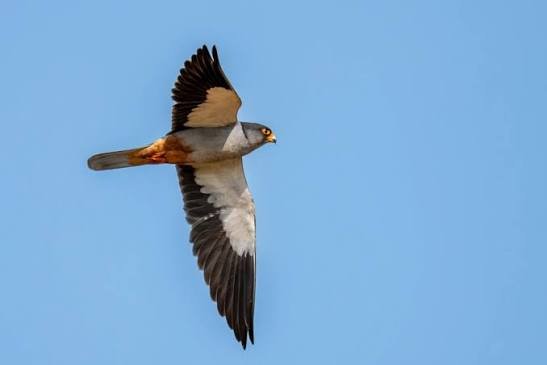
The Assam Forest Department has prohibited unauthorised drone flights around identified Amur Falcon congregation and roosting sites. The seasonal restrictions aim to protect more than one lakh migratory birds currently visiting the state. Principal Chief Conservator of Forests (Wildlife) and Chief Wildlife Warden Dr Vinay Gupta issued the order on November 6, 2026. The directive covers unauthorised recreational, commercial and non-essential drone operations, photography and videography. It particularly concerns sensitive locations such as Umrangso in Dima Hasao and Dharamtul in Morigaon. Authorities want to prevent disturbance during the birds’ resting, feeding and migration.
Gauhati High Court Quashes Pranab Doley’s NSA Detention
Forest Department Issues Seasonal Drone Restrictions
The Assam government introduced the restrictions after reports of visitors and content creators flying drones close to Amur Falcon congregations. The activity raised concerns about possible injuries and disturbance to the migratory birds.
The order issued by Dr Vinay Gupta prohibits unauthorised recreational, commercial and non-essential drone operations around identified congregation and roosting locations. It also restricts unauthorised photography and videography in these sensitive areas.
The restrictions will remain effective while the Amur Falcons stay at the identified sites. They will also continue until further orders from the authorities.
The department has directed all concerned officials to ensure compliance. Furthermore, forest officers must strengthen monitoring and protection measures throughout the birds’ seasonal presence.
The order recognises that unnecessary human activity can interfere with wildlife behaviour. It therefore places particular attention on activities undertaken for entertainment and social media content.
Umrangso and Dharamtul Identified as Key Roosting Sites
The restrictions cover identified Amur Falcon congregation and roosting locations across Assam. Two particularly important sites are Umrangso in Dima Hasao district and Dharamtul in Morigaon district.
Both locations attract large numbers of these migratory birds during their seasonal movement. Their presence makes the areas important for wildlife observation and conservation.
According to Assam Environment and Forest Minister Jayanta Malla Baruah, more than one lakh Amur Falcons have arrived in the state this season.
The minister identified Umrangso and Dharamtul as important gathering locations. He also urged residents, tourists and photographers to avoid disturbing the birds.
These sites provide opportunities to observe an extraordinary migration. However, visitors must respect the birds’ natural behaviour and avoid activities that create unnecessary disturbance.
The Forest Department’s restrictions seek to balance public interest in wildlife observation with the need to protect sensitive habitats.
Why Drone Flights Pose Risks to Migratory Birds
Unregulated drone operations can create several risks near large bird congregations. The Forest Department has warned that flights around roosting sites may seriously disturb the birds.
One concern involves accidental collisions. Drone propellers rotate at high speeds and could injure birds if contact occurs.
Another concern involves sudden disturbance. Noise and movement near a congregation may interrupt resting and feeding activities.
Large flocks also need suitable conditions to maintain their natural behaviour. Repeated disturbances may cause birds to move away from preferred resting locations.
Moreover, unnecessary activity can interfere with their seasonal movement. The department therefore considers controlled access around important roosting areas essential.
Wildlife conservation groups have also raised concerns about drones near migratory birds. They have urged authorities to establish clear restrictions and improve monitoring.
Divisional Forest Officers Receive Enforcement Responsibilities
The November 6 order assigns important responsibilities to the concerned Divisional Forest Officers (DFOs).
They must identify and demarcate sensitive congregation and roosting areas. They must also ensure effective monitoring and protection at these locations.
Additionally, DFOs will coordinate with district administrations and police authorities. This cooperation will help implement the restrictions on the ground.
The order also allows authorities to declare temporary No-Drone Zones wherever necessary under applicable rules.
Such restrictions can help officials manage drone activity around sensitive wildlife locations. However, the exact boundaries and enforcement arrangements will depend on the identification of protected areas and administrative coordination.
The department has also called for public awareness programmes. These activities will target tourists, photographers, content creators and local communities.
The aim is to explain why responsible behaviour matters during the birds’ seasonal presence.
Aaranyak’s Appeal Preceded the Government Order
Wildlife conservation organisation Aaranyak had earlier urged authorities to prohibit drone operations near Amur Falcon congregation sites.
The organisation raised concerns after reports of visitors and content creators flying drones close to the birds. It warned that such activity could cause injuries through accidental collisions.
Aaranyak also highlighted the possibility of disturbance during resting and feeding. It called for clearly identified no-drone buffer zones and stronger enforcement.
The organisation urged the Dima Hasao Autonomous Council and Morigaon district administration to support restrictions around important gathering locations.
Following the government’s order, Aaranyak welcomed the decision. It described the restrictions as an important step towards protecting the migratory birds.
The organisation also offered support for awareness activities. Such cooperation could help visitors understand conservation requirements and follow responsible wildlife photography practices.
Amur Falcon Migration Makes Assam an Important Stopover
The Amur Falcon, scientifically known as Falco amurensis, is a small migratory raptor. It undertakes a remarkable seasonal journey between breeding grounds in eastern Asia and wintering areas in southern Africa.
The birds travel thousands of kilometres during their annual migration. Northeast India provides important stopover locations along their route.
Assam’s congregation sites offer opportunities for the birds to rest and feed. Therefore, protecting these locations remains important during their seasonal presence.
The birds often gather in large numbers. Their arrival also attracts birdwatchers, photographers and visitors interested in wildlife.
However, growing public attention can create additional pressure around sensitive habitats. Responsible tourism and controlled photography can help reduce unnecessary disturbance.
The Forest Department’s seasonal restrictions address this concern directly. They encourage visitors to observe the birds without interfering with their natural activities.
Public Awareness Remains Essential for Conservation
Enforcement alone may not protect the birds from every form of disturbance. Public cooperation will remain important throughout their stay in Assam.
Tourists should follow instructions from forest officials. Photographers and content creators should avoid unauthorised drone operations around identified congregation sites.
Local communities can also support conservation by informing visitors about sensitive locations. Awareness programmes can explain the risks associated with flying drones near large flocks.
Furthermore, district administrations and police authorities can assist forest officials with enforcement. Coordinated action will help ensure that the seasonal restrictions receive proper attention.
The department’s approach combines monitoring, administrative coordination and public sensitisation. These measures aim to protect the birds while allowing responsible wildlife observation.
Conclusion
Assam has introduced seasonal restrictions on unauthorised drone flights around identified Amur Falcon congregation and roosting sites. The November 6 order responds to concerns about collisions and disturbance caused by nearby drone activity. It places enforcement responsibilities on Divisional Forest Officers and calls for coordination with district administrations and police. Meanwhile, public awareness will help visitors understand their role in wildlife protection. With more than one lakh birds reported in the state, responsible behaviour remains essential for safeguarding their seasonal journey.
FAQs
1. Why has Assam banned unauthorised drone flights near Amur Falcons?
The Forest Department wants to prevent collisions and disturbance during the birds’ resting, feeding and migration.
2. When did the Forest Department issue the order?
Principal Chief Conservator of Forests (Wildlife) Dr Vinay Gupta issued the order on November 6, 2026.
3. Which locations are important Amur Falcon roosting sites in Assam?
Umrangso in Dima Hasao and Dharamtul in Morigaon are important congregation and roosting locations.
4. Does the restriction cover photography and videography?
Yes. The order also prohibits unauthorised photography and videography around identified sensitive sites.
5. How many Amur Falcons have arrived in Assam this season?
Assam Environment and Forest Minister Jayanta Malla Baruah reported the arrival of more than one lakh birds.
6. How long will the drone restrictions remain in force?
They will remain effective during the birds’ seasonal presence at identified sites or until further orders.