





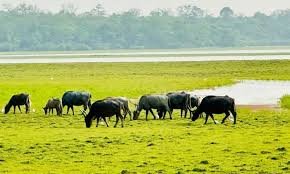
The Assam Forest Department has relocated wild buffaloes from Kaziranga National Park to Kanha Tiger Reserve. Moreover, the Kaziranga wild buffalo relocation project aims to boost biodiversity and strengthen conservation of this endangered species.
Tripura Budget 2026 Highlights: Rs 34,212 Crore for Growth and Welfare
Kaziranga Wild Buffalo Relocation: A Conservation Initiative
The Kaziranga wild buffalo relocation program involves careful planning and monitoring by wildlife experts. Additionally, the selection process ensures that only healthy, mature buffaloes are chosen for transport. Veterinary teams supervise every stage—from capture to transportation—to minimize stress and ensure safety.
“Relocating wild buffaloes to Kanha Tiger Reserve will enhance genetic diversity and help maintain a sustainable population,” said a senior forest officer. Furthermore, the move reduces overpopulation pressures in Kaziranga National Park, which supports ecological balance.
BJP Candidate Finalisation Assam: Parliamentary Board to Meet Today
Conservation Goals
The relocation project focuses on:
- Strengthening genetic diversity among wild buffalo populations
- Protecting endangered species across India
- Reducing human-wildlife conflicts in Kaziranga
- Enhancing biodiversity in Kanha Tiger Reserve
Moreover, the initiative aligns with the Indian Wildlife (Protection) Act and national conservation strategies. Consequently, the project is a significant step toward collaborative wildlife management between Assam and Madhya Pradesh.
Relocation Process and Safety Measures
Experts explained that the relocation involves several careful steps:
- Selecting healthy adult buffaloes based on fitness
- Sedating the animals under strict veterinary supervision
- Transporting them in specialized crates designed for safety
- Releasing them into Kanha Tiger Reserve and tracking their adaptation
Additionally, GPS collars and post-release health monitoring will ensure the buffaloes adjust successfully to their new habitat. Ultimately, these measures increase the survival rate and maintain ecological stability.
Arunachal Defamation Case Dismissed by Delhi Court
Impact on Wildlife Conservation
The Kaziranga wild buffalo relocation project sets a benchmark in India’s wildlife management programs. Furthermore, it demonstrates the potential of inter-state cooperation in protecting endangered species. Conservationists believe that such efforts help preserve ecological diversity and ensure sustainable populations for future generations.
Moreover, local communities in both Kaziranga and Kanha benefit indirectly, as well-managed wildlife populations promote eco-tourism and maintain environmental balance.