




By using this site, you agree to the Privacy Policy and Terms of Use.
Accept
Hindustan PioneerHindustan Pioneer
  • Home
  • Business
  • News
  • Education
  • Entertainment
  • Lifestyle
  • Travel
  • Web Stories
Reading: Kaziranga Wild Buffaloes Relocated to Kanha Tiger Reserve
Share
Notification Show More
Latest News
Sikkim CM Prem Singh Tamang Interacts with Young Players at 49th Junior National Badminton Championship
November 18, 2026
Arunachal Pradesh Wins Two National Honours for Tribal Education and School Excellence
November 18, 2026
BSF Jawan Detained in Bangladesh After Crossing Border in Sylhet, Handed Back to India
November 18, 2026
Manipur LPG Cylinder Blast: Woman and Two Children Killed in Bishnupur House Explosion
November 18, 2026
Assam CM Himanta Biswa Sarma Warns of Driving Licence Cancellation for Repeated Helmet Violations
November 18, 2026
Aa
Aa
Hindustan PioneerHindustan Pioneer
  • Home
  • Business
  • News
  • Education
  • Entertainment
  • Lifestyle
  • Travel
  • Web Stories
Follow US
  • Advertise
  • Editorial Policy
  • Contact Us
© 2022 Foxiz News Network. Ruby Design Company. All Rights Reserved.
Home » Blog » Kaziranga Wild Buffaloes Relocated to Kanha Tiger Reserve
Misc

Kaziranga Wild Buffaloes Relocated to Kanha Tiger Reserve

Tanshu Gandhi
By Tanshu Gandhi Published March 17, 2026 3 Min Read
Share
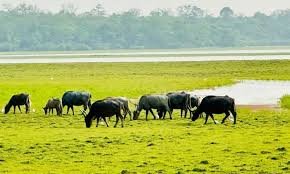
Kaziranga wild buffaloes being relocated to Kanha Tiger Reserve for conservation
SHARE

The Assam Forest Department has relocated wild buffaloes from Kaziranga National Park to Kanha Tiger Reserve. Moreover, the Kaziranga wild buffalo relocation project aims to boost biodiversity and strengthen conservation of this endangered species.

Contents
Kaziranga Wild Buffalo Relocation: A Conservation InitiativeConservation GoalsRelocation Process and Safety MeasuresImpact on Wildlife Conservation

Tripura Budget 2026 Highlights: Rs 34,212 Crore for Growth and Welfare

Kaziranga Wild Buffalo Relocation: A Conservation Initiative

The Kaziranga wild buffalo relocation program involves careful planning and monitoring by wildlife experts. Additionally, the selection process ensures that only healthy, mature buffaloes are chosen for transport. Veterinary teams supervise every stage—from capture to transportation—to minimize stress and ensure safety.

“Relocating wild buffaloes to Kanha Tiger Reserve will enhance genetic diversity and help maintain a sustainable population,” said a senior forest officer. Furthermore, the move reduces overpopulation pressures in Kaziranga National Park, which supports ecological balance.

BJP Candidate Finalisation Assam: Parliamentary Board to Meet Today

Conservation Goals

The relocation project focuses on:

  • Strengthening genetic diversity among wild buffalo populations
  • Protecting endangered species across India
  • Reducing human-wildlife conflicts in Kaziranga
  • Enhancing biodiversity in Kanha Tiger Reserve

Moreover, the initiative aligns with the Indian Wildlife (Protection) Act and national conservation strategies. Consequently, the project is a significant step toward collaborative wildlife management between Assam and Madhya Pradesh.

Relocation Process and Safety Measures

Experts explained that the relocation involves several careful steps:

  1. Selecting healthy adult buffaloes based on fitness
  2. Sedating the animals under strict veterinary supervision
  3. Transporting them in specialized crates designed for safety
  4. Releasing them into Kanha Tiger Reserve and tracking their adaptation

Additionally, GPS collars and post-release health monitoring will ensure the buffaloes adjust successfully to their new habitat. Ultimately, these measures increase the survival rate and maintain ecological stability.

Arunachal Defamation Case Dismissed by Delhi Court

Impact on Wildlife Conservation

The Kaziranga wild buffalo relocation project sets a benchmark in India’s wildlife management programs. Furthermore, it demonstrates the potential of inter-state cooperation in protecting endangered species. Conservationists believe that such efforts help preserve ecological diversity and ensure sustainable populations for future generations.

Moreover, local communities in both Kaziranga and Kanha benefit indirectly, as well-managed wildlife populations promote eco-tourism and maintain environmental balance.

You Might Also Like

Operation Jericho Now Strengthens Mizoram Drug Crackdown

Assam Crop Diversification Gets Powerful Push from Hazarika Now

Rinika Bharali: Now, Imphal mourns Guwahati shooting victim

Siang project review: Arunachal CM seeks clear answers now

Manipur black rice: Korean twist brings new global appeal

TAGGED: Assam wildlife, biodiversity project, endangered species, Kanha Tiger Reserve, Kaziranga National Park, Kaziranga wild buffalo relocation, Wildlife Conservation
Tanshu Gandhi March 17, 2026
Share this Article
Facebook Twitter Whatsapp Whatsapp LinkedIn Copy Link
Posted by Tanshu Gandhi
Hi, I’m Tanshu. A writer who enjoys turning simple topics into engaging stories. This blog is where ideas take the spotlight and every post feels like a new episode worth reading.
Previous Article Tripura Finance Minister presenting Rs 34,212 crore budget for 2026 in the Legislative Assembly Tripura Budget 2026 Highlights: Rs 34,212 Crore for Growth and Welfare
Next Article Manipur Assembly approves Rs 2,524.88 crore grants and clears Money-Lenders Bill Manipur Grants 2026: Rs 2,524.88 Crore Approved, Money-Lenders Bill Cleared
Leave a comment

Leave a Reply Cancel reply

You must be logged in to post a comment.

Stay Connected

- Advertisement -

Latest News

Sikkim CM Prem Singh Tamang Interacts with Young Players at 49th Junior National Badminton Championship
News
Arunachal Pradesh Wins Two National Honours for Tribal Education and School Excellence
News
BSF Jawan Detained in Bangladesh After Crossing Border in Sylhet, Handed Back to India
News
Manipur LPG Cylinder Blast: Woman and Two Children Killed in Bishnupur House Explosion
News

© 2022-2026 Hindustan Pioneer. All Rights Reserved.

  • About Us
  • Editorial Policy
  • Our Team
  • Contact Us

Removed from reading list

Undo
Welcome Back!

Sign in to your account

Lost your password?