







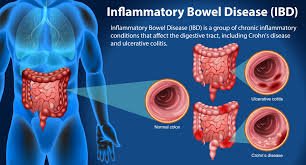
The digestive system is impacted by a group of chronic inflammatory disorders known as Inflammatory Bowel Disease (IBD). Crohn’s disease and ulcerative colitis are the two most common conditions in this group. They both have a major negative effect on a person’s quality of life. This blog explores the unique qualities of both diseases, as well as the traits they have in common and coping mechanisms for ulcerative colitis and Crohn’s disease.
Crohn’s disease is a chronic inflammatory disorder that can affect any part of the gastrointestinal (GI) tract. It is known for its ability to cause inflammation not only in the inner lining of the affected digestive organs but also through the entire thickness of the bowel wall. Key aspects of Crohn’s disease include:
Common symptoms include abdominal pain, diarrhea, weight loss, fatigue, and, in some cases, complications such as fistulas and strictures.
Crohn’s disease is characterized by inflammation that can occur patchy with healthy tissue in between, leading to the term “skip lesions.” This unpredictable distribution can make the disease challenging to diagnose and manage.
Strictures, fistulas, and abscesses are potential complications of Crohn’s disease. Surgical interventions may be required to address severe complications.
Ulcerative Colitis, on the other hand, is a subtype of Inflammatory Bowel Disease primarily affecting the colon and rectum. Unlike Crohn’s disease, which can involve any part of the GI tract, Ulcerative Colitis specifically targets the large intestine. Key aspects of Ulcerative Colitis include:
Patients with Ulcerative Colitis commonly experience symptoms such as bloody diarrhea, abdominal pain, urgency to have a bowel movement, fatigue, and weight loss.
Unlike Crohn’s, Ulcerative Colitis typically involves continuous inflammation starting from the rectum and extending along the colon in a contiguous manner.
Severe cases of Ulcerative Colitis may lead to complications like megacolon, an increased risk of colon cancer, and, in some instances, the need for surgical removal of the colon.
While Crohn’s disease and Ulcerative Colitis have distinct characteristics, they share common features:
Both conditions are chronic, relapsing disorders. Patients experience periods of active symptoms followed by periods of remission.
IBD is considered an autoimmune disease where the immune system mistakenly attacks the digestive tract, leading to chronic inflammation.
Both genetic predisposition and environmental factors contribute to the development of Crohn’s and Ulcerative Colitis. Factors such as smoking may play different roles in the risk of developing each condition.
Diagnosis involves a combination of medical history, physical examination, imaging studies, and endoscopic procedures. Blood tests and stool samples may also be analyzed to rule out other conditions.
Medications, including anti-inflammatories, immunosuppressants, and biologics, are commonly used to manage symptoms and induce remission. In some cases, surgery may be necessary to address complications.
Adopting a healthy lifestyle, including a well-balanced diet, regular exercise, and stress management, can contribute to overall well-being.
Joining support groups or connecting with others who have IBD can provide valuable insights, emotional support, and practical tips for managing the condition.
To control symptoms and avoid flare-ups, it’s essential to follow prescription guidelines and see doctors on a regular basis.

