





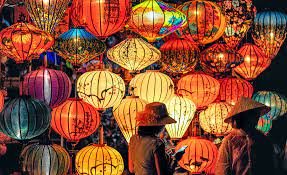
Traditional festivals play a vital role in preserving cultural heritage and fostering a sense of identity and community. These vibrant celebrations bring people together, allowing them to reconnect with their roots and pass down cultural knowledge from one generation to the next. The significance of traditional festivals extends far beyond mere entertainment; they serve as powerful reminders of a community’s history, values, and customs.
One of the key aspects of traditional festivals is their ability to preserve cultural heritage. They act as living repositories of a community’s traditions, rituals, and folklore, ensuring that these rich cultural practices are not lost to time. Festivals provide a platform for showcasing traditional music, dance, art, and cuisine, allowing younger generations to experience and appreciate their cultural heritage firsthand. Through active participation in these festivals, individuals can develop a deep connection with their cultural roots, reinforcing their sense of identity and belonging.
Furthermore, traditional festivals serve as significant milestones in the annual calendar, marking the passage of time and highlighting the cyclical nature of life. These celebrations often coincide with agricultural or astronomical events, such as the harvest season or the winter solstice. By commemorating these natural cycles, festivals help to forge a profound connection between communities and their environment, fostering a sense of reverence and stewardship for the natural world. This ecological consciousness passed down through generations helps maintain a harmonious relationship between humans and their surroundings.
In addition to preserving cultural heritage, traditional festivals have a unifying effect on communities. They bring people together, breaking down social barriers and fostering a sense of collective identity. Festivals provide a platform for individuals to express their shared values, beliefs, and aspirations, creating a strong bond among community members. Whether it is a religious celebration, a historical reenactment, or a cultural carnival, the festive atmosphere encourages social interaction, empathy, and mutual respect.
Moreover, traditional festivals contribute to community building by encouraging active participation and collaboration. The organization and preparation of these events often involve the entire community, promoting cooperation and teamwork. Through collective efforts, people come together to decorate venues, prepare traditional dishes, create costumes, and organize performances. This collaborative spirit not only strengthens social bonds but also empowers individuals to take ownership of their cultural heritage.
In an increasingly globalized and interconnected world, traditional festivals play a crucial role in maintaining cultural diversity. These celebrations showcase the unique customs, traditions, and values of different communities, providing an opportunity for cultural exchange and mutual understanding. Visitors from other regions or countries can learn about different cultures and broaden their perspectives. This cultural exchange fosters respect, appreciation, and tolerance, contributing to a more inclusive and harmonious society.
However, in the face of modernization and changing lifestyles, traditional festivals may face challenges and risks of being diluted or forgotten. It is essential for communities and authorities to recognize the importance of these festivals and actively support their preservation. Efforts can include providing funding, infrastructure, and educational initiatives to ensure the continuity and relevance of traditional festivals in contemporary society.
Traditional festivals are far more than just colorful spectacles. They serve as guardians of cultural heritage, preserving traditions, and rituals that connect communities to their past. These celebrations foster a sense of identity, pride, and belonging while uniting people through shared values and experiences. By recognizing the significance of traditional festivals and actively supporting their preservation, communities can ensure the continuation of their rich cultural heritage for generations to come.