





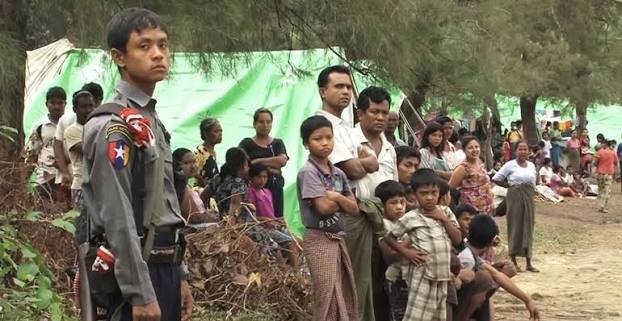
A total of 29,248 displaced individuals from Myanmar have been cataloged in a security database, marking a significant step in authorities’ efforts to document people who have crossed into the region amid instability in Myanmar. The database provides officials with a consolidated record of displaced individuals identified during the registration process.
The exercise can help authorities improve coordination between security agencies and local administrations. Moreover, systematic documentation can support efforts to understand the scale and distribution of displacement while strengthening administrative oversight.
The development also highlights the complex challenges facing northeastern states that share borders with Myanmar. However, registration in a security database does not by itself determine an individual’s legal status, security risk, or eligibility for government assistance.
Assam Flood Toll Reaches 85: Sivasagar Emerges as Ground Zero
29,248 Individuals Enter Security Records
Authorities have cataloged 29,248 displaced individuals from Myanmar in the security database.
The figure represents people who have undergone the relevant identification or documentation process. Furthermore, maintaining a consolidated record can help officials avoid fragmented information across different administrative units.
A centralised database can also make it easier to update records when circumstances change.
However, the number should not automatically represent the total population of displaced people unless authorities explicitly define the database as comprehensive.
Database Supports Identification Efforts
Security databases can help authorities maintain organised information about people residing temporarily in affected areas.
Officials can use documented records to coordinate verification and administrative procedures. Additionally, accurate records can help authorities identify duplicate registrations and maintain updated information.
This can become particularly important when displacement involves large numbers of people moving across districts.
However, authorities must protect personal information and follow applicable legal safeguards when managing sensitive records.
Myanmar Conflict Drives Regional Displacement
Instability in Myanmar has contributed to displacement across areas near India’s international border.
People fleeing violence and insecurity can seek temporary shelter in neighbouring regions. Moreover, border communities often face the immediate responsibility of managing humanitarian and administrative challenges associated with sudden population movements.
The registration exercise reflects this wider regional situation.
However, individual circumstances can vary significantly among displaced people, and authorities must assess cases according to applicable rules.
Documentation Can Improve Coordination
A structured database can help different government agencies coordinate their responses.
Security agencies, district administrations, and other authorised departments can use verified information to understand where registered individuals are located. Furthermore, shared records can reduce administrative duplication and improve communication between agencies.
This can make future verification exercises more organised.
However, effective coordination requires accurate data and regular updates.
Security and Humanitarian Needs Must Remain Balanced
Documentation serves both administrative and security purposes, but displaced people may also require humanitarian assistance.
Families affected by conflict can face challenges involving shelter, food, healthcare, education, and employment. Moreover, authorities must consider these needs while conducting registration and verification exercises.
A balanced approach can help address security concerns without overlooking humanitarian realities.
However, the specific assistance available to registered individuals depends on government policy and applicable legal provisions.
Registration Does Not Automatically Determine Status
Being included in a database does not necessarily establish a person’s citizenship or legal status.
Authorities may maintain records for identification and administrative purposes while separately examining individual cases under relevant laws. Furthermore, registration can involve different categories of information depending on the purpose of the database.
This distinction remains important when interpreting the figure of 29,248.
However, authorities would need to clarify the database’s precise legal and administrative purpose before drawing broader conclusions.
Border States Face Administrative Pressure
States bordering Myanmar face unique challenges when displacement increases.
Local administrations may need to coordinate registration, security monitoring, public services, and community relations. Additionally, difficult terrain and limited infrastructure can make large-scale documentation more complicated.
The database can therefore provide officials with a clearer administrative picture.
However, maintaining accurate records across remote border areas requires continued field-level coordination.
Accurate Data Can Support Planning
Reliable population information can help authorities plan resources more effectively.
Officials can use verified data to assess the scale of displacement and identify areas requiring additional administrative attention. Moreover, accurate records can assist in coordinating temporary services and monitoring population movements.
This can improve government planning.
However, databases require regular verification because displaced populations can change over time.
Privacy Protection Remains Important
Security databases can contain sensitive personal information.
Authorities must therefore ensure that access remains limited to authorised personnel and that information receives appropriate protection. Furthermore, responsible data management can help prevent misuse or unauthorised disclosure.
Privacy safeguards become especially important when records involve displaced populations.
However, the specific data-protection measures applied to this database have not been detailed in the information provided.
Local Communities Are Also Affected
Large-scale displacement can affect host communities in border districts.
Local populations may experience additional pressure on public services, infrastructure, and local resources. Moreover, authorities may need to balance the needs of displaced people with those of communities that receive them.
Accurate registration can help officials understand these pressures.
However, community-level impacts can vary depending on the location and duration of displacement.
Security Agencies Can Update Records
The database can remain useful beyond the initial registration process.
Officials can update records when individuals move, leave the area, or undergo further verification. Additionally, regular updates can help maintain a more accurate picture of population movements.
This can strengthen administrative monitoring.
However, authorities must establish clear procedures for updating and correcting records.
Regional Cooperation Remains Relevant
The situation also has wider implications for India’s northeastern border region.
Developments in Myanmar can affect border security, migration patterns, humanitarian conditions, and local administration. Furthermore, coordination between central and state authorities can become increasingly important when displacement crosses administrative boundaries.
The registration figure provides one measure of the scale of the current challenge.
However, broader regional assessments require information from multiple agencies and reliable population data.
What Happens Next?
Authorities can use the registration data to strengthen verification, monitoring, and administrative planning.
Officials may continue updating the database as displaced individuals move or undergo additional checks. Moreover, authorities can use verified information to coordinate with relevant departments dealing with security and humanitarian concerns.
The database could therefore become an important administrative tool.
However, its effectiveness will depend on data accuracy, regular updates, and appropriate safeguards.
Conclusion
The cataloging of 29,248 displaced individuals from Myanmar represents a significant documentation exercise amid continuing displacement pressures along India’s northeastern border. By maintaining a consolidated database, authorities can improve identification, coordination, and administrative planning.
Moreover, reliable records can help officials understand population movements and coordinate appropriate responses. At the same time, authorities must distinguish registration from citizenship or legal-status determinations and protect the personal information contained in the database.
Overall, the 29,248 displaced individuals cataloged figure highlights the scale of the documentation challenge while underscoring the need to balance security monitoring, administrative efficiency, privacy protection, and humanitarian considerations.
FAQs
1. How many displaced individuals have been cataloged?
Authorities have reportedly cataloged 29,248 displaced individuals from Myanmar in the security database.
2. Why are displaced individuals being documented?
Documentation can help authorities maintain accurate records, coordinate between agencies, and monitor population movements.
3. Does database registration establish citizenship?
No. Inclusion in a security or administrative database does not automatically establish citizenship or another legal status.
4. Why is accurate registration important?
Reliable records can help authorities plan administrative responses, conduct verification, and coordinate security and humanitarian measures.
5. What happens to the database records?
Authorities can update records as individuals move, undergo additional verification, or leave the area, subject to applicable procedures and safeguards.