

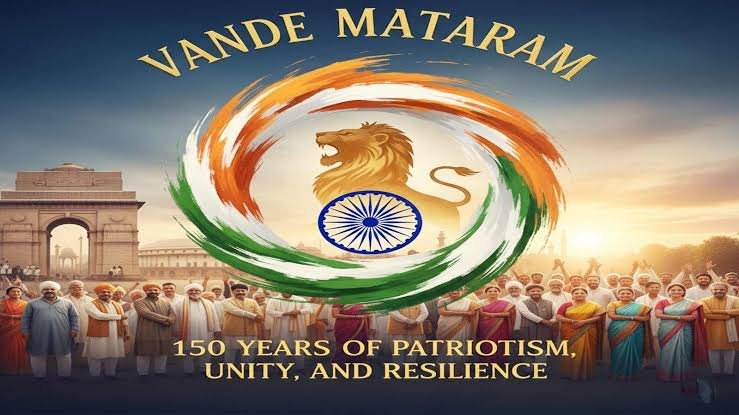
This year’s August celebrations will carry a special theme to honour the 150th anniversary of Vande Mataram, bringing the national song into focus through commemorative programmes across the country. The anniversary provides an opportunity to highlight the song’s historical and cultural significance while encouraging public participation in related events.
The observances can include cultural programmes, musical presentations, educational activities, and community gatherings. Moreover, the anniversary theme gives institutions an opportunity to connect India’s historical heritage with contemporary public celebrations.
The focus on Vande Mataram also adds a distinct cultural dimension to this year’s August programmes. However, organisers and participating institutions will need to follow official guidance for events and ensure that commemorations remain inclusive and respectful.
Assam Flood Toll Reaches 85: Sivasagar Emerges as Ground Zero
August Celebrations Take Anniversary Theme
The August celebrations will place the 150th anniversary of Vande Mataram at the centre of commemorative activities.
The theme gives government institutions, educational organisations, cultural groups, and communities an opportunity to organise programmes around the national song. Furthermore, music and cultural events can help introduce younger audiences to its historical background.
The anniversary can therefore become a major cultural focus during the month.
However, individual programmes may differ depending on local organisers and official schedules.
Vande Mataram Holds Historical Significance
Vande Mataram has an important place in India’s modern history.
The song emerged during the period of India’s freedom movement and became associated with nationalist mobilisation. Moreover, its historical journey has connected literature, music, politics, and India’s struggle for independence.
The 150th anniversary provides an opportunity to revisit that history.
However, historical discussions should present the song’s development and context accurately.
Cultural Programmes Could Mark the Occasion
Institutions can use performances and cultural gatherings to commemorate the anniversary.
Musical presentations, artistic programmes, exhibitions, and educational sessions can introduce audiences to different aspects of Vande Mataram. Additionally, community-level events can make the anniversary accessible beyond major cities.
This can broaden participation.
However, organisers should follow the official framework governing commemorative events.
Schools Can Encourage Historical Awareness
Educational institutions can play an important role in anniversary programmes.
Schools and colleges can organise discussions, cultural activities, exhibitions, and history-focused sessions. Furthermore, such programmes can encourage students to learn about the historical context surrounding Vande Mataram.
This can make the anniversary an educational opportunity.
However, educational activities should focus on accurate historical information rather than political speculation.
Youth Participation Remains Important
Young people can help give commemorative programmes a contemporary dimension.
Music, digital storytelling, art, theatre, and educational projects can provide different ways for younger audiences to engage with the anniversary. Moreover, digital platforms can help institutions share historical information with audiences beyond physical events.
This can increase awareness among younger generations.
However, organisers should ensure that online material remains accurate and respectful.
National and Local Programmes Can Connect
The anniversary theme can link national observances with local cultural traditions.
State governments, district administrations, educational institutions, and community organisations can organise programmes that reflect their own cultural settings. Additionally, local musicians and artists can contribute performances that connect the national song with regional artistic traditions.
This can create a diverse commemorative programme.
However, organisers should distinguish official events from independently organised activities.
Music Can Become a Central Element
Because Vande Mataram has a strong musical tradition, performances can form an important part of anniversary programmes.
Choirs, musicians, cultural groups, and educational institutions can participate in musical presentations. Furthermore, different arrangements can introduce audiences to the song’s place within India’s musical heritage.
The anniversary can therefore highlight both history and music.
However, performances should follow applicable guidelines concerning the national song.
Digital Platforms Can Expand Reach
Online platforms can help institutions share information about anniversary activities.
Organisers can publish event details, historical resources, photographs, and educational material through official digital channels. Moreover, online programmes can allow people who cannot attend physical gatherings to engage with commemorative content.
This can broaden the anniversary’s reach.
However, users should verify information through official sources to avoid confusion about event schedules.
Meghalaya and Northeast Can Add Local Context
States across the Northeast can participate in the anniversary through their own cultural programmes.
Local institutions can combine the national theme with regional music, arts, and community traditions. Furthermore, cultural participation can demonstrate India’s broader diversity while keeping the anniversary’s central theme intact.
This creates opportunities for local artists and community groups.
However, programmes should reflect the specific guidelines issued by the relevant authorities.
Anniversary Can Support Historical Education
Major anniversaries often encourage renewed public interest in historical figures, movements, literature, and cultural works.
The 150th anniversary can provide educators and cultural institutions with an opportunity to examine Vande Mataram’s historical development. Additionally, exhibitions and public discussions can place the song within the wider context of India’s independence movement.
This can encourage deeper historical understanding.
However, discussions should acknowledge historical context rather than presenting simplified narratives.
Public Participation Could Increase
A nationally recognised anniversary theme can encourage broader community participation.
Residents can attend cultural events, educational programmes, exhibitions, and musical performances organised by local institutions. Moreover, public participation can help cultural organisations create stronger connections with their communities.
The anniversary can therefore become a shared cultural occasion.
However, participation should remain voluntary and accessible.
Commemoration and Historical Context
The anniversary carries both cultural and historical dimensions.
Vande Mataram’s role in India’s freedom movement gives it significance beyond its use in contemporary public events. Furthermore, examining its historical context can help audiences understand how literature and music influenced nationalist movements.
This makes the anniversary an opportunity for reflection as well as celebration.
However, public programmes should distinguish historical interpretation from contemporary political messaging.
What the August Theme Means
The decision to centre this year’s August celebrations on the 150th anniversary gives the month a specific cultural focus.
Institutions can build programmes around music, history, education, art, and community participation. Additionally, the theme can encourage citizens to explore the historical journey of one of India’s most recognised national songs.
The anniversary can therefore connect cultural celebration with historical learning.
However, the exact nature of programmes will depend on official announcements and local organisers.
Conclusion
The Vande Mataram 150th anniversary will provide a major theme for this year’s August celebrations, bringing the national song’s historical and cultural legacy into focus. Institutions across the country can mark the occasion through musical performances, educational programmes, exhibitions, and community events.
Moreover, the anniversary creates an opportunity to connect younger generations with India’s historical heritage. At the same time, regional participation can add diverse cultural perspectives while maintaining the central commemorative theme.
Overall, the August observances can use the 150th anniversary to encourage historical awareness, cultural participation, and public engagement with the enduring legacy of Vande Mataram.
FAQs
1. What is the main theme of this year’s August celebrations?
The celebrations will focus on commemorating the 150th anniversary of Vande Mataram.
2. Why is the anniversary significant?
Vande Mataram holds an important place in India’s cultural and freedom-movement history, making its 150th anniversary a significant commemorative occasion.
3. What types of events can mark the anniversary?
Programmes can include musical performances, cultural gatherings, educational activities, exhibitions, and community events, depending on official plans.
4. Can schools participate in the celebrations?
Educational institutions can participate through appropriate history, music, cultural, and awareness programmes based on official guidance.
5. How can people learn about local anniversary events?
People should check announcements from official government departments, educational institutions, and authorised cultural organisations for event details.