






By using this site, you agree to the Privacy Policy and Terms of Use.
Accept
Hindustan PioneerHindustan Pioneer
  • Home
  • Business
  • News
  • Education
  • Entertainment
  • Lifestyle
  • Travel
  • Web Stories
Reading: Alarming Assam Gibbon Habitat Loss: Shrinking Forest Canopies Threaten Survival
Share
Notification Show More
Latest News
Biri Takar from Arunachal Pradesh holding gold medals at para badminton tournament in Prague
Stunning International Medals Victory: Biri Takar Wins Double Gold in Prague Para Badminton
April 22, 2026
Sadhana Bezbaruah from Tezpur celebrating victory at World Masters Championship in Thailand
World Masters Success: Sadhana Bezbaruah Shines in Thailand Championship
April 22, 2026
Researchers in lab converting invasive weed into pharmaceutical compounds at Nagaland University
Nagaland Weed Drug Breakthrough: Scientists Turn Invasive Plant into Medicine
April 22, 2026
Hoolock gibbon in fragmented forest canopy showing habitat loss in Assam
Alarming Assam Gibbon Habitat Loss: Shrinking Forest Canopies Threaten Survival
April 22, 2026
Damaged houses and school in Rambrai West Khasi Hills after heavy storm and rainfall
Meghalaya Storm Damage: Houses and School Hit in West Khasi Hills
April 22, 2026
Aa
Aa
Hindustan PioneerHindustan Pioneer
  • Home
  • Business
  • News
  • Education
  • Entertainment
  • Lifestyle
  • Travel
  • Web Stories
Follow US
  • Advertise
  • Editorial Policy
  • Contact Us
© 2022 Foxiz News Network. Ruby Design Company. All Rights Reserved.
Home » Blog » Alarming Assam Gibbon Habitat Loss: Shrinking Forest Canopies Threaten Survival
News

Alarming Assam Gibbon Habitat Loss: Shrinking Forest Canopies Threaten Survival

Riya Gandhi
By Riya Gandhi Published April 22, 2026 5 Min Read
Share
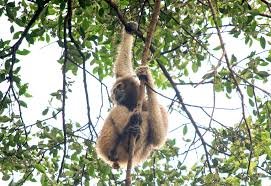
Hoolock gibbon in fragmented forest canopy showing habitat loss in Assam
SHARE

The Assam Gibbon Habitat Loss has emerged as a serious environmental concern as shrinking forest canopies threaten the survival of these unique primates. The situation highlights urgent conservation needs, as habitat fragmentation continues to disrupt their natural ecosystem and movement.

Contents
Growing Threat to Assam’s GibbonsImportance of Forest CanopiesCauses Behind Habitat LossImpact on Gibbon PopulationConservation Efforts and ChallengesRole of Communities and AwarenessFuture Outlook for Gibbons in AssamFAQs

Meghalaya Storm Damage: Houses and School Hit in West Khasi Hills

Growing Threat to Assam’s Gibbons

Recent reports have raised alarm over the declining habitat of gibbons in Assam. These primates rely heavily on dense forest canopies for movement and survival. However, rapid deforestation and land-use changes have reduced their natural environment. As a result, the Assam Gibbon Habitat Loss has become a critical issue.

Gibbons cannot easily adapt to ground movement, which makes canopy loss particularly dangerous. Consequently, even small disruptions in forest cover can have a major impact on their survival.

Importance of Forest Canopies

Forest canopies act as natural highways for gibbons. They allow these animals to travel, find food, and avoid predators. Therefore, continuous canopy cover is essential for their daily activities.

When these canopies shrink or break, gibbons face isolation in small patches of forest. This fragmentation limits their access to resources and reduces their chances of finding mates. Moreover, it increases their vulnerability to threats.

Causes Behind Habitat Loss

Several factors contribute to the decline in forest canopies. Deforestation for agriculture, infrastructure development, and human settlements has reduced forest areas. Additionally, illegal logging and encroachment have worsened the situation.

Climate change also plays a role by affecting forest health and regeneration. Together, these factors accelerate the Assam Gibbon Habitat Loss and put long-term survival at risk.

Impact on Gibbon Population

Habitat loss directly affects the population of gibbons in Assam. Isolated groups face difficulty in maintaining genetic diversity. As a result, their numbers may decline over time.

Furthermore, fragmented habitats increase the risk of human-wildlife conflict. Gibbons may venture closer to human settlements in search of food. This situation creates challenges for both wildlife and local communities.

Conservation Efforts and Challenges

Conservationists and authorities have recognized the urgency of protecting gibbon habitats. Efforts include forest restoration, creation of wildlife corridors, and stricter enforcement of environmental laws.

However, challenges remain significant. Limited resources, lack of awareness, and ongoing development pressures hinder progress. Therefore, sustained efforts are essential to address the Assam Gibbon Habitat Loss effectively.

Role of Communities and Awareness

Local communities play a crucial role in conservation. By promoting sustainable practices, they can help protect forest ecosystems. Awareness campaigns can also educate people about the importance of preserving wildlife habitats.

Community involvement ensures long-term success of conservation initiatives. Additionally, it fosters a sense of responsibility toward protecting biodiversity.

Future Outlook for Gibbons in Assam

The future of gibbons depends on immediate and coordinated action. Protecting existing forests and restoring damaged areas can improve their chances of survival. Moreover, policy support and strong implementation are necessary for lasting impact.

The Assam Gibbon Habitat Loss serves as a warning about the broader consequences of environmental neglect. By addressing this issue, stakeholders can safeguard not only gibbons but also the region’s rich biodiversity.

FAQs

Why are gibbons affected by habitat loss?
Gibbons rely on continuous forest canopies for movement and survival, so fragmentation severely impacts them.

What is causing canopy loss in Assam?
Deforestation, infrastructure development, and climate change are major contributing factors.

How does habitat loss affect gibbon populations?
It leads to isolation, reduced genetic diversity, and increased risk of extinction.

What steps can help protect gibbons?
Forest conservation, habitat restoration, and community awareness can support their survival.

Why is this issue important?
Protecting gibbons helps preserve biodiversity and maintain ecological balance.


You Might Also Like

Stunning International Medals Victory: Biri Takar Wins Double Gold in Prague Para Badminton

World Masters Success: Sadhana Bezbaruah Shines in Thailand Championship

Nagaland Weed Drug Breakthrough: Scientists Turn Invasive Plant into Medicine

Meghalaya Storm Damage: Houses and School Hit in West Khasi Hills

Revolutionary Brahmaputra River Lighthouse Project: India Launches First Inland Navigation System

TAGGED: Assam wildlife, endangered species India, environmental crisis India, forest loss India, gibbon conservation, habitat destruction, northeast biodiversity, wildlife news Assam
Riya Gandhi April 22, 2026
Share this Article
Facebook Twitter Whatsapp Whatsapp LinkedIn Copy Link
Posted by Riya Gandhi
Content writer skilled in creating clear, engaging, and SEO-optimized content for blogs, websites, and digital platforms.
Previous Article Damaged houses and school in Rambrai West Khasi Hills after heavy storm and rainfall Meghalaya Storm Damage: Houses and School Hit in West Khasi Hills
Next Article Researchers in lab converting invasive weed into pharmaceutical compounds at Nagaland University Nagaland Weed Drug Breakthrough: Scientists Turn Invasive Plant into Medicine
Leave a comment

Leave a Reply Cancel reply

You must be logged in to post a comment.

Stay Connected

- Advertisement -

Latest News

Biri Takar from Arunachal Pradesh holding gold medals at para badminton tournament in Prague
Stunning International Medals Victory: Biri Takar Wins Double Gold in Prague Para Badminton
News
Sadhana Bezbaruah from Tezpur celebrating victory at World Masters Championship in Thailand
World Masters Success: Sadhana Bezbaruah Shines in Thailand Championship
News
Researchers in lab converting invasive weed into pharmaceutical compounds at Nagaland University
Nagaland Weed Drug Breakthrough: Scientists Turn Invasive Plant into Medicine
News
Hoolock gibbon in fragmented forest canopy showing habitat loss in Assam
Alarming Assam Gibbon Habitat Loss: Shrinking Forest Canopies Threaten Survival
News

© 2022-2026 Hindustan Pioneer. All Rights Reserved.

  • About Us
  • Editorial Policy
  • Our Team
  • Contact Us

Removed from reading list

Undo
Welcome Back!

Sign in to your account

Lost your password?