





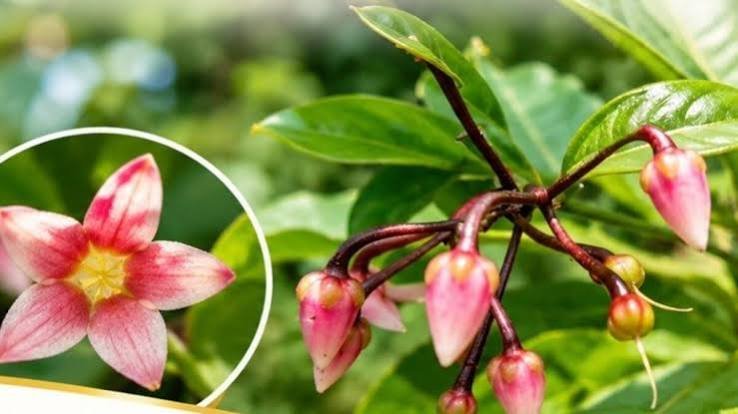
Ardisia colorata, a rare flowering shrub described in 1821, has been rediscovered in Assam’s Bongaigaon district by researchers from Gauhati University. The finding marks the first confirmed recollection of the species in India in approximately 204 years.
The researchers located the plant in the Abhaypuri area during botanical surveys conducted across Assam between 2020 and 2025. Moreover, their investigation resolved a longstanding confusion over the shrub’s scientific identity, bringing renewed attention to the region’s lesser-known plant diversity.
Ardisia colorata rediscovered in Bongaigaon
Botanists Manash Baruah and Nilakshee Devi, from Gauhati University’s Department of Botany, identified the shrub during their fieldwork in Assam. Initially, they suspected that the specimen belonged to Ardisia solanacea, a closely related species.
However, further examination of its flowers, leaves and historical descriptions revealed important differences. The researchers subsequently confirmed the plant as Ardisia colorata, a species that had largely disappeared from Indian botanical records.
According to reports published in October 2026, the discovery followed several years of botanical surveys. The team’s findings appeared in the scientific journal Feddes Repertorium.
The rediscovery is significant because it reconnects a living plant population with a species described more than two centuries ago. Furthermore, it demonstrates how systematic fieldwork and historical research can help scientists identify plants that have remained overlooked in existing records.
Ardisia colorata: The history behind its identity
British horticulturist George Loddiges first described Ardisia colorata in 1821. He based the description on plant material introduced from India into cultivation in Britain around 1816.
Despite that early documentation, the species’ precise Indian origin remained unclear. Over time, confusion surrounding its scientific name also complicated efforts to trace its identity in botanical literature.
The researchers compared the original description and historical botanical illustrations with the specimen collected in Assam. This approach helped distinguish Ardisia colorata from other, similar plants.
Additionally, the species had largely escaped systematic indexing and was absent from major printed editions of Index Kewensis, a botanical reference work. Its limited presence in Indian floristic literature further contributed to the uncertainty surrounding its status.
Therefore, the study does more than report a rare plant’s rediscovery. It also clarifies its taxonomic identity, giving botanists a stronger basis for recognising and documenting the species during future surveys.
Ardisia colorata: Only 12 plants documented
The researchers documented just 12 individual plants at the Abhaypuri site, highlighting the limited known population of Ardisia colorata in the area. The locality lies in the foothills of the eastern Himalayas, at an elevation of approximately 211 metres.
The evergreen shrub typically grows between 0.5 and two metres tall. Its glossy, leathery leaves and pink, reddish or purplish flowers help distinguish it from other plants in the same genus.
Moreover, the shrub has a recorded flowering season from April to June. It grows in shady, humid and relatively undisturbed forest habitats, where suitable environmental conditions support its growth.
The small number of recorded plants raises questions about the species’ wider distribution. However, researchers cannot determine its overall population or extinction risk from observations at a single locality alone.
Further field surveys could establish whether other populations survive elsewhere in Assam or neighbouring regions. Such work would also help scientists understand the plant’s habitat requirements and ecological distribution.
Why the Ardisia colorata discovery matters
The rediscovery highlights the importance of botanical research in documenting Assam’s rich plant diversity. Although the region contains varied forest habitats, some plant species remain poorly documented or difficult to identify.
Historical records can provide valuable clues, but researchers must verify those descriptions against living specimens. In this case, the comparison helped resolve confusion that had persisted for generations.
Furthermore, accurate identification supports conservation planning. Scientists need reliable information about a plant’s identity, distribution and habitat before they can assess its ecological status and determine suitable protection measures.
The discovery also demonstrates the value of sustained field surveys. Researchers may overlook small or uncommon plants when they resemble more familiar species. Therefore, detailed examination and careful documentation remain essential parts of botanical research.
Nevertheless, the finding does not automatically establish that the species faces imminent extinction. Additional research will be necessary to assess its population size, distribution and potential threats.
Protecting Assam’s lesser-known plant diversity
The rediscovery of Ardisia colorata places renewed emphasis on conserving the natural habitats that sustain rare plants. Since researchers documented only 12 individuals at the Abhaypuri locality, further investigation could help determine whether the population requires specific conservation attention.
Protecting relatively undisturbed forest habitats is important for maintaining plant diversity. Additionally, documenting rare species can help researchers and conservation authorities identify areas that deserve closer ecological study.
The study by Gauhati University researchers also shows how botanical collections, historical illustrations and field observations can work together to resolve longstanding scientific questions.
Overall, the rediscovery of Ardisia colorata after approximately 204 years represents an important development in documenting India’s botanical heritage. Further surveys and habitat assessments could clarify the species’ wider distribution and conservation needs. The finding also reinforces the importance of continued scientific research to identify and protect lesser-known plants across Assam.