





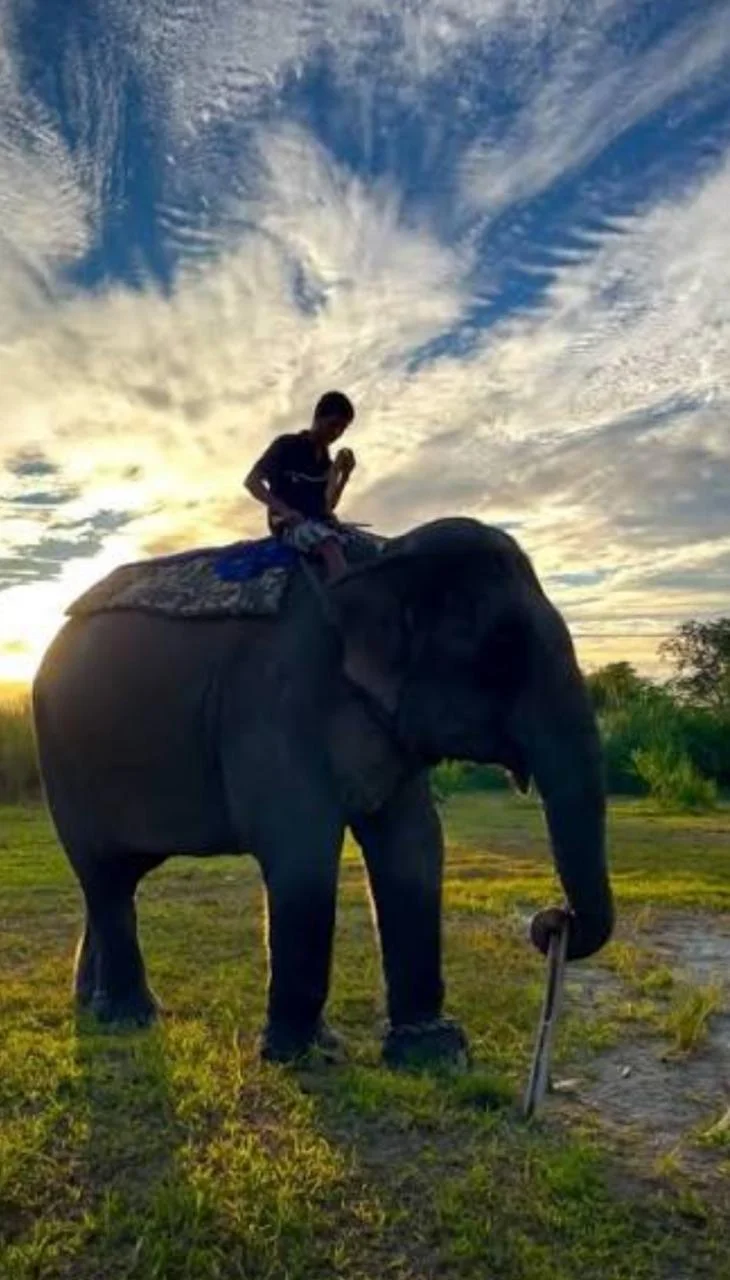
Itanagar: Arunachal Pradesh has recorded the highest known elephant range in the world, with elephants documented at elevations of up to 3,000 metres above sea level. The finding comes from a joint assessment conducted by WWF-India and the State Forest Department between December 2024 and March 2026. The study mapped elephant herds, tracked movement patterns, identified critical wildlife corridors, and highlighted conflict-prone areas.
The discovery reinforces Arunachal Pradesh’s importance as a biodiversity hotspot and underlines the need to protect its forests and wildlife habitats. Experts say the findings will help strengthen conservation efforts and reduce human-elephant conflicts in the region.
Read More: Assam CM, Jaishankar Discuss Act East Policy
Key Facts
- Location: Arunachal Pradesh
- Highest Elevation Recorded: 3,000 metres above sea level
- Study Conducted By: WWF-India and Arunachal Pradesh Forest Department
- Study Period: December 2024 to March 2026
- Key Focus Areas: Elephant movement, wildlife corridors, conflict zones
- Significance: Highest known elephant range recorded globally
Landmark Discovery in Elephant Conservation
Arunachal Pradesh has achieved a significant milestone in wildlife conservation with the documentation of elephants at an elevation of 3,000 metres above sea level. The assessment establishes the state as home to the highest known elephant range recorded anywhere in the world.
The study was carried out jointly by WWF-India and the State Forest Department over a period of more than a year. Researchers surveyed different landscapes and collected data on elephant distribution across the state’s diverse terrain.
Important Findings of the Study
The assessment provides valuable information about elephant populations and their movement across Arunachal Pradesh.
Researchers mapped elephant herds and tracked their movement patterns across forests, valleys, and high-altitude areas. The study also identified critical wildlife corridors that elephants use to travel between habitats.
In addition, officials gathered data on conflict-prone zones where interactions between humans and elephants are more common. This information will help authorities design effective mitigation measures and improve coexistence between local communities and wildlife.
Boost for Biodiversity Conservation
The findings highlight the ecological importance of Arunachal Pradesh and the need to preserve its rich natural heritage.
Conservationists believe that protecting forests and wildlife corridors is essential for maintaining healthy elephant populations. The study also emphasizes the role of connected habitats in supporting wildlife movement and reducing habitat fragmentation.
Arunachal’s Unique Ecosystem
Arunachal Pradesh is known for its remarkable biodiversity and varied landscapes. The state contains lowland tropical forests, river valleys, mountainous terrain, and high-altitude ecosystems.
These diverse habitats support a wide range of wildlife species, including Asian elephants, tigers, clouded leopards, and several endangered animals. The latest discovery further strengthens the state’s reputation as one of India’s most important conservation regions.
Significance for the Eastern Himalayas
Arunachal Pradesh forms a crucial part of the Eastern Himalaya biodiversity hotspot, one of the world’s most ecologically significant regions.
The presence of elephants at such high elevations demonstrates the adaptability of the species and highlights the importance of conserving mountain ecosystems alongside traditional forest habitats.
Question & Answer
What happened?
A new study recorded elephants at elevations of 3,000 metres in Arunachal Pradesh, the highest known elephant range in the world.
Who conducted the study?
The assessment was jointly conducted by WWF-India and the Arunachal Pradesh Forest Department.
When was the study carried out?
The research was conducted between December 2024 and March 2026.
What did the study find?
It mapped elephant herds, identified wildlife corridors, tracked movement patterns, and highlighted conflict-prone zones.
Why is this discovery important?
The finding improves understanding of elephant habitats and supports future conservation and conflict-mitigation efforts.
Location Context
Arunachal Pradesh, located in Northeast India, is part of the Eastern Himalaya biodiversity hotspot. The state’s vast forests, mountainous terrain, and rich wildlife make it one of India’s most important regions for biodiversity conservation and environmental protection.
Also Read: SIR Enumeration Phase Begins in Odisha, Mizoram, Sikkim and Manipur – Borok Times