





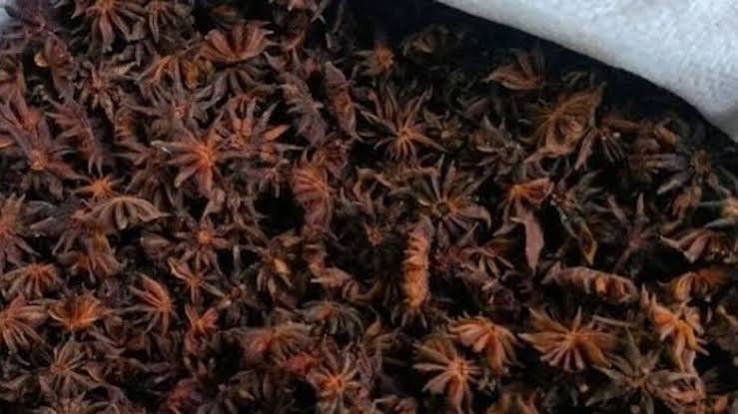
Khagi spice is bringing a reported Rs 39 lakh in income to around 200 households in Arunachal Pradesh while also supporting efforts to protect forests. The locally valued spice has emerged as an important livelihood opportunity for communities that depend on natural resources.
The success of Khagi spice highlights how traditional crops can support rural incomes without placing additional pressure on forests. As demand and organised production grow, the initiative is offering families a way to earn while encouraging sustainable use of the region’s natural wealth.
Khagi spice creates a new income stream
The reported Rs 39 lakh generated through Khagi spice represents a significant economic opportunity for the participating households. For communities in rural Arunachal Pradesh, such income can strengthen household earnings and create greater value from locally available agricultural resources.
Moreover, the crop connects local production with a wider effort to promote forest-friendly livelihoods. Instead of relying only on activities that may put pressure on forest resources, households can benefit from cultivating and processing a valuable local spice.
This model can also help retain economic value within rural communities. Therefore, stronger local production may provide both income support and an incentive to protect the natural environment.
Traditional crop supports forest protection
Khagi spice is also linked to the wider idea of conservation through livelihoods. Forest protection can become more effective when communities have practical economic alternatives that do not depend heavily on extracting natural resources.
However, sustainable farming requires careful management. Production must remain compatible with local environmental conditions, while communities need access to markets, training and appropriate support.
Additionally, the connection between livelihoods and conservation can encourage greater community participation. When families see direct economic benefits from sustainable practices, forest protection can become part of a broader local development strategy.
Why community participation matters
Community involvement is especially important in forest-rich regions such as Arunachal Pradesh. Local residents often have detailed knowledge of crops, landscapes and traditional practices.
As a result, programmes built around locally known products can combine economic activity with existing community knowledge. This can make conservation-linked livelihood initiatives more practical and relevant.
Rs 39 lakh signals growing economic value
The reported Rs 39 lakh generated by Khagi spice shows the potential of a niche agricultural product to support multiple households. Around 200 families are benefiting, making the initiative more than an individual farming activity.
Furthermore, the income demonstrates the importance of improving the value chain around local crops. Production alone may not deliver the strongest returns. Processing, packaging, market access and better links with buyers can help producers capture more value.
For participating households, this can mean a more dependable source of earnings. Meanwhile, stronger demand for local produce could encourage more organised cultivation and improve opportunities for rural producers.
Sustainable livelihoods can strengthen conservation
The experience with Khagi spice points to a wider lesson for Arunachal Pradesh. Economic development and environmental protection do not always have to work against each other.
When agricultural activities are planned responsibly, they can provide income while reducing pressure on forests. Consequently, livelihood programmes that combine local crops with conservation goals can have wider social and environmental benefits.
Still, long-term success will depend on maintaining sustainable production practices. Market growth should not lead to overuse of land or other natural resources. Clear community participation and responsible management will remain important as the initiative develops.
Khagi spice offers a model for rural growth
The reported success of Khagi spice offers an example of how local agricultural products can contribute to both livelihoods and conservation. With around 200 households generating Rs 39 lakh, the crop has demonstrated meaningful economic potential.
Overall, the initiative shows that protecting forests can be linked with improving rural incomes. If sustainable practices, market access and community involvement continue to support production, Khagi spice could remain an important part of forest-friendly livelihood efforts in Arunachal Pradesh.