





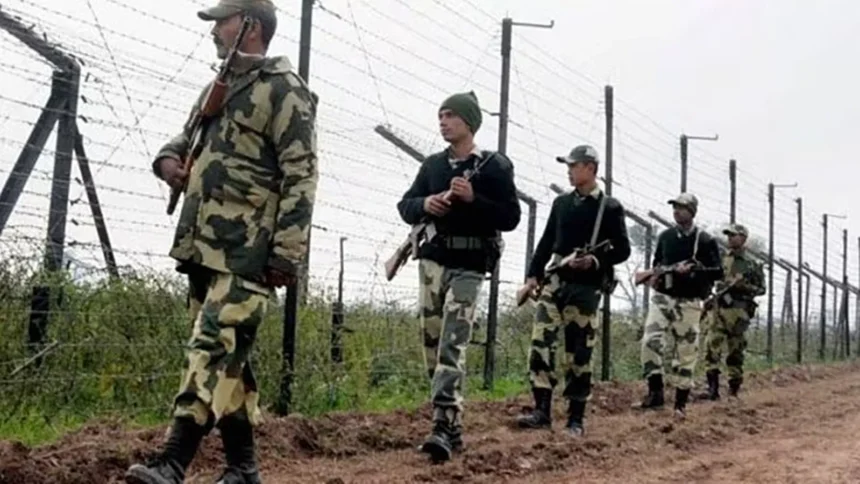
The decision to accelerate border infrastructure development has brought renewed focus to India’s northeastern frontier management strategy. The initiative under which India Updates Border Fencing Along Myanmar Frontier to Strengthen Security reflects the government’s continued efforts to improve border surveillance, enhance national security, and strengthen administrative coordination in sensitive regions. Moreover, the project underscores the growing importance of border management amid evolving security challenges and cross-border movements. Consequently, the development has significant implications for security, connectivity, and regional stability.
Mobile Policing Expansion Plan with 200 Emergency Response Units
Chouhan & Rijiju Lead High-Level Flood Review Meeting on Northeast Emergency Situation
India Updates Border Fencing Along Myanmar Frontier to Strengthen Security Through Enhanced Infrastructure
The announcement that India Updates Border Fencing Along Myanmar Frontier to Strengthen Security represents a major component of India’s broader border management strategy. Furthermore, authorities have increasingly emphasized the need to modernize border infrastructure to address emerging security concerns.
The India-Myanmar border extends for more than 1,600 kilometers and passes through several northeastern states. Consequently, maintaining effective surveillance and administrative control across diverse terrain remains a complex challenge. Border infrastructure projects have therefore become an important aspect of national security planning.
Moreover, enhanced fencing and surveillance systems can improve monitoring capabilities and support law enforcement agencies operating in border areas. Therefore, the latest developments reflect a strategic approach to strengthening border security mechanisms.
Additionally, improvements in border infrastructure can contribute to more efficient coordination among various security agencies. Thus, the initiative aligns with broader efforts to modernize India’s security framework.
Border Security Challenges Continue to Shape India’s Northeast Strategy
The move under which India Updates Border Fencing Along Myanmar Frontier to Strengthen Security highlights the strategic importance of the northeastern region. Furthermore, the India-Myanmar border presents unique administrative and security challenges due to its geography and cross-border social connections.
Security agencies have consistently emphasized the importance of preventing illegal activities, including unauthorized crossings, trafficking, and smuggling operations. Consequently, strengthening border infrastructure has emerged as a key priority in recent years.
Moreover, developments in neighboring regions often influence security dynamics along the international border. Therefore, policymakers continue to review strategies aimed at maintaining stability and ensuring effective border management.
Similarly, improved surveillance infrastructure can assist authorities in monitoring movement patterns and responding to security concerns more efficiently. Additionally, enhanced border management can support broader national security objectives. Thus, investments in border infrastructure remain strategically significant.
The evolving security environment has also reinforced the importance of adopting modern technological solutions for border management and monitoring.
Technology and Surveillance Systems Play a Key Role in Border Management
The initiative whereby India Updates Border Fencing Along Myanmar Frontier to Strengthen Security places considerable emphasis on technological modernization. Furthermore, advanced surveillance systems have become essential tools in contemporary border management strategies.
Modern border security infrastructure often incorporates surveillance equipment, monitoring systems, communication networks, and integrated command mechanisms. Consequently, these technologies can improve situational awareness and operational efficiency.
Moreover, enhanced technological capabilities allow security agencies to respond more effectively to emerging challenges. Therefore, investments in surveillance infrastructure have become an important component of national security planning.
Similarly, digital monitoring systems can facilitate coordination among various enforcement agencies operating in border regions. Additionally, improved communication systems can strengthen operational preparedness and response capabilities. Thus, technology continues to reshape border security management.
The emphasis on modernization also reflects broader trends in governance and security administration, where technological innovation increasingly supports strategic objectives.
Border Fencing Initiative Has Broader Strategic Implications
The development that India Updates Border Fencing Along Myanmar Frontier to Strengthen Security carries implications beyond immediate security considerations. Furthermore, effective border management contributes to regional stability, administrative efficiency, and national preparedness.
Border regions often play important roles in trade, connectivity, and cross-border interactions. Consequently, strengthening infrastructure can support both security and administrative objectives.
Moreover, enhanced border management systems can help improve coordination between central and state authorities. Therefore, investments in border infrastructure often contribute to broader governance outcomes.
Similarly, strategic infrastructure projects can strengthen institutional resilience and operational readiness. Additionally, long-term investments in border management may support future policy objectives and security planning. Thus, the current initiative represents a significant administrative and strategic undertaking.
The continued focus on border infrastructure also reflects the government’s commitment to strengthening national security while adapting to evolving regional challenges.
Conclusion
The initiative under which India Updates Border Fencing Along Myanmar Frontier to Strengthen Security represents a significant step in strengthening India’s border management and national security framework. Moreover, the emphasis on improved infrastructure and technological modernization highlights the growing importance of comprehensive border security strategies.
Furthermore, the project underscores the strategic significance of India’s northeastern frontier and the need for coordinated administrative responses to emerging challenges. Consequently, investments in border infrastructure remain central to long-term security planning and regional stability.
Looking ahead, the success of the initiative will depend on effective implementation, technological integration, and sustained coordination among various agencies. Therefore, the decision that India Updates Border Fencing Along Myanmar Frontier to Strengthen Security marks an important development in India’s broader efforts to strengthen border management and national security.
FAQs
1. Why is India updating border fencing along the Myanmar frontier?
India is strengthening border infrastructure to improve surveillance, enhance security, and support effective border management.
2. Which region is affected by the border fencing initiative?
The initiative focuses on the India-Myanmar border, which passes through several northeastern states.
3. How does border fencing contribute to national security?
Border fencing can improve monitoring, support law enforcement operations, and help prevent unauthorized cross-border activities.
4. What role does technology play in modern border management?
Technology supports surveillance, communication, monitoring, and coordination among security agencies.
5. Why is the India Updates Border Fencing Along Myanmar Frontier to Strengthen Security initiative significant?
The initiative reflects India’s broader efforts to modernize border infrastructure, strengthen security mechanisms, and improve administrative preparedness.