





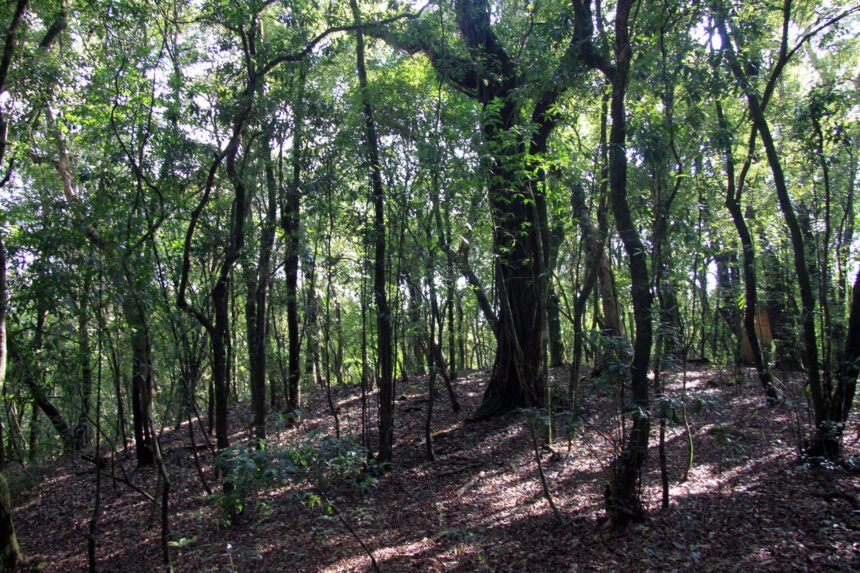
Khasi forest conservation laws continue shaping environmental protection efforts in Meghalaya as traditional governance systems preserve large stretches of dense forests through long-standing indigenous customs and community-led restrictions. Meanwhile, local leaders and environmental experts stated that customary Khasi regulations remain highly effective in controlling deforestation, protecting biodiversity, and maintaining ecological balance across several hill regions. The renewed attention surrounding these traditional conservation systems emerged as climate concerns and environmental degradation increasingly affect many parts of India. Additionally, researchers highlighted that community-based forest protection models in Meghalaya offer valuable lessons for sustainable environmental governance.
The discussion gained significance because Meghalaya contains some of the richest biodiversity zones in Northeast India, including sacred groves, river systems, and subtropical forests. Furthermore, ecological experts observed that indigenous conservation traditions often provide stronger localized environmental protection than purely administrative enforcement mechanisms.
North Bengal Development Push Gains Momentum
Assam Reports Sharp Decline in Crime Rate
Traditional Khasi Governance Supports Forest Protection
Indigenous governance institutions across Khasi communities continue enforcing customary rules protecting forest ecosystems and natural resources. Khasi forest conservation laws therefore remain central to environmental preservation efforts in several districts of Meghalaya.
Meanwhile, village councils and traditional custodians reportedly regulate forest access, wood collection, and land-use practices through long-established social norms and community oversight. Additionally, many sacred groves remain protected under customary restrictions prohibiting unauthorized tree cutting and environmental disturbance.
Community elders explained that traditional conservation systems developed over generations to preserve water sources, biodiversity, and ecological balance. Furthermore, customary laws often encourage collective responsibility toward forest management and environmental sustainability.
Earlier, environmental researchers documented how indigenous governance structures successfully prevented large-scale ecological destruction in multiple parts of Meghalaya. Consequently, policymakers increasingly examined traditional forest management models during discussions involving climate resilience and biodiversity protection.
At the same time, conservationists emphasized the importance of recognizing indigenous ecological knowledge within broader environmental policy frameworks.
Sacred Groves Hold Ecological Importance
Meghalaya’s sacred groves remain among the most significant examples of traditional ecological conservation in India. Khasi forest conservation laws therefore continue protecting ancient forest patches considered spiritually and environmentally important by local communities.
Meanwhile, experts noted that sacred groves preserve rare plant species, medicinal vegetation, and wildlife habitats often absent in surrounding regions affected by urbanization or commercial activity. Additionally, many groves function as natural water conservation zones supporting streams and underground water systems.
Environmental scientists observed that sacred forests frequently maintain exceptionally high biodiversity because communities restrict exploitation and human interference. Furthermore, researchers highlighted that traditional beliefs linked to forest protection strengthened long-term ecological stability across several generations.
Several ecological organizations described Meghalaya’s sacred groves as globally significant examples of community-led environmental stewardship. Consequently, international researchers increasingly study indigenous conservation practices from the region.
However, experts also warned that modernization, population growth, and land pressure continue creating new challenges for traditional environmental systems.
Community Participation Strengthens Conservation Efforts
Local participation remains a major factor behind the effectiveness of traditional forest governance systems in Meghalaya. Khasi forest conservation laws therefore operate through collective community involvement rather than centralized administrative enforcement alone.
Meanwhile, residents often participate directly in forest monitoring, dispute resolution, and environmental protection activities within village territories. Additionally, traditional institutions reportedly maintain strong social accountability mechanisms discouraging illegal exploitation of natural resources.
Several development experts observed that community-driven conservation frequently creates stronger long-term environmental commitment among local populations. Furthermore, decentralized management systems may improve responsiveness to ecological threats at the grassroots level.
Researchers also highlighted that indigenous communities possess detailed ecological knowledge involving rainfall patterns, medicinal plants, and sustainable land-use practices. Consequently, conservation specialists increasingly advocate integrating local knowledge into formal environmental planning.
At the same time, civic groups encouraged stronger collaboration between traditional institutions and scientific research organizations.
Climate Change Concerns Renew Interest in Indigenous Models
Growing climate-related challenges increased national and international interest in Meghalaya’s traditional conservation systems. Khasi forest conservation laws therefore gained wider recognition within discussions involving sustainability and climate adaptation strategies.
Meanwhile, climate experts warned that deforestation, erratic rainfall, and ecological degradation continue threatening vulnerable hill ecosystems throughout Northeast India. Additionally, conservation researchers argued that indigenous governance systems may offer practical lessons for balancing environmental protection with local livelihoods.
Several environmental planners noted that forest preservation plays a critical role in maintaining water security, reducing soil erosion, and regulating regional climate conditions. Furthermore, protected forests contribute significantly to carbon absorption and biodiversity conservation.
Policy analysts observed that community-managed ecosystems often remain more resilient because local populations maintain direct long-term interest in environmental stability. Consequently, indigenous conservation models increasingly attract attention during climate policy discussions.
However, experts stressed that traditional systems also require institutional support and legal recognition to remain effective amid rapid economic and demographic changes.
Challenges Emerging Despite Strong Traditions
Despite strong customary protection systems, environmental pressures continue affecting forest regions across Meghalaya. Khasi forest conservation laws therefore face increasing challenges linked to urban expansion, mining activity, and changing land-use patterns.
Meanwhile, environmental organizations warned that commercial pressures and infrastructure development may gradually weaken traditional conservation practices in some areas. Additionally, younger generations exposed to rapid modernization may become less connected with customary ecological traditions.
Several experts noted that illegal logging, quarrying, and unregulated tourism activities occasionally create tension between development priorities and environmental protection goals. Furthermore, climate variability continues affecting fragile ecosystems dependent on stable rainfall and biodiversity conditions.
Governance specialists argued that stronger coordination between traditional institutions and modern environmental agencies may become necessary to address emerging ecological risks. Consequently, discussions regarding legal safeguards and sustainable development planning gained renewed momentum.
At the same time, community leaders emphasized the importance of preserving cultural identity alongside environmental conservation efforts.
Meghalaya’s Conservation Model Draws Wider Attention
Environmental researchers and policymakers increasingly view Meghalaya’s indigenous forest systems as an important conservation model. Khasi forest conservation laws therefore continue influencing broader debates involving sustainability, cultural preservation, and decentralized environmental governance.
Meanwhile, universities and ecological institutions reportedly expanded studies examining the effectiveness of sacred groves and traditional environmental management systems. Additionally, conservation advocates urged stronger documentation of indigenous ecological practices for future policy development.
Several experts observed that community-driven environmental protection models may complement formal state-led conservation frameworks more effectively than purely centralized approaches. Furthermore, localized conservation systems often build stronger trust and participation among residents.
International environmental organizations also highlighted the importance of protecting indigenous knowledge systems amid accelerating global ecological challenges. Consequently, Meghalaya’s forest governance traditions increasingly attract global academic and conservation interest.
At the same time, local communities continued emphasizing that environmental protection remains deeply connected with cultural heritage and social responsibility.
Conclusion
Khasi forest conservation laws continue protecting Meghalaya’s dense forests through long-standing indigenous traditions, sacred grove preservation, and community-led ecological governance systems. Meanwhile, environmental experts and local leaders highlighted the effectiveness of customary laws in preserving biodiversity, water systems, and ecological stability across several hill regions. The growing climate crisis and rising environmental pressures have renewed broader interest in indigenous conservation models from Northeast India. Ultimately, observers believe Meghalaya’s traditional forest protection systems may offer important lessons for sustainable environmental governance and climate resilience in the future.
FAQs
What are Khasi forest conservation laws?
They are traditional indigenous rules protecting forests, biodiversity, and natural resources in Meghalaya.
Why are Meghalaya’s sacred groves important?
Sacred groves preserve rare biodiversity, water systems, and ecologically sensitive forest ecosystems.
How do local communities protect forests?
Village councils and traditional institutions regulate land use, forest access, and environmental practices.
Why are indigenous conservation systems gaining attention?
Experts believe they provide sustainable and community-driven environmental protection models.
What challenges threaten traditional forest systems?
Urbanization, mining, climate change, and land-use pressure continue affecting forest conservation efforts.
Why is Meghalaya important for biodiversity?
The state contains rich subtropical forests, rare species, and ecologically significant hill ecosystems.