

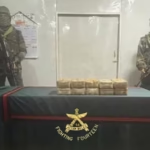




The Myanmar Drug Trafficker Arrest marked a major success for India’s counter-narcotics operations after the National Narcotics Control Bureau tracked down and arrested a key trafficker operating along the international border corridors linked to Myanmar. Authorities described the operation as a significant breakthrough in the fight against organized cross-border drug smuggling networks affecting Northeast India.
Devastating Assam Monsoon Floods Leave Thousands Struggling
Heartbreaking Tripura Truck Accident Kills Four Tribal Workers
NCB Arrests Key Cross-Border Drug Trafficker
The National Narcotics Control Bureau successfully tracked and arrested a major drug trafficker linked to cross-border narcotics operations near the Myanmar corridor. Officials stated that the accused operated extensive smuggling activities connected to international trafficking networks.
The arrest followed coordinated intelligence gathering and surveillance efforts involving multiple security and narcotics enforcement agencies. Furthermore, authorities described the operation as a critical breakthrough in dismantling organized drug trafficking routes affecting Northeast India.
Officials believe the accused played an important role in facilitating illegal narcotics movement across sensitive border regions.
Operation Strengthens Counter-Narcotics Campaign
Authorities emphasized that the arrest significantly strengthens ongoing counter-narcotics efforts in the Northeast and border-connected regions. Security agencies continue increasing pressure on traffickers operating through international smuggling corridors linked to Myanmar.
The operation demonstrated growing coordination between narcotics control authorities, intelligence units, and border security agencies. Consequently, officials expect further crackdowns on organized trafficking networks in coming months.
The government also reiterated its commitment to combating narcotics trafficking and organized criminal activity across vulnerable regions.
Myanmar Corridor Remains Major Concern
Border regions connected to Myanmar remain highly sensitive because traffickers often use remote routes to transport illegal drugs, weapons, and contraband. Authorities regularly monitor these corridors because organized syndicates attempt to exploit difficult terrain and porous border areas.
Experts stated that cross-border trafficking networks frequently operate through interconnected smuggling routes across parts of Northeast India. Therefore, security agencies continue strengthening surveillance, intelligence sharing, and border enforcement operations.
The latest arrest once again highlighted the strategic importance of monitoring international trafficking corridors carefully.
NCB Intensifies Intelligence Operations
Officials confirmed that intelligence-driven operations played a major role in identifying and tracking the trafficker’s activities. The Narcotics Control Bureau reportedly monitored movement patterns, communication channels, and network connections before carrying out the arrest.
Authorities continue expanding intelligence coordination with state police, border forces, and central agencies to target larger trafficking syndicates effectively. Additionally, investigators are now analyzing possible links connected to wider drug distribution networks.
Experts believe intelligence-based operations significantly improve the success rate of anti-narcotics enforcement campaigns.
Northeast India Faces Growing Drug Challenges
Northeast India continues facing increasing concerns related to narcotics trafficking, substance abuse, and organized smuggling networks. Several states remain vulnerable because of geographical proximity to international borders and established trafficking routes.
Authorities regularly seize heroin, methamphetamine, opium, and other narcotics during anti-drug operations across the region. Consequently, governments and law enforcement agencies continue prioritizing anti-narcotics campaigns and awareness programs.
Community organizations also continue demanding stronger rehabilitation services and youth protection initiatives to address the social impact of drug abuse.
Border Security Agencies Remain Alert
Security agencies operating along international border regions remain on high alert following the latest arrest. Officials stated that traffickers constantly attempt to adapt routes and transportation methods to avoid detection.
Authorities continue increasing border patrols, surveillance technology deployment, and vehicle inspections in vulnerable areas. Furthermore, joint operations between different agencies now play a major role in intercepting illegal cross-border movement.
The government stressed that stronger border management remains essential for controlling trafficking networks effectively.
Investigators Probe Wider Smuggling Network
Following the arrest, investigators launched deeper inquiries into the trafficker’s operational network, financial connections, and international links. Authorities suspect that larger organized syndicates may have coordinated the smuggling activities.
Officials also continue examining possible routes used for narcotics transportation through border-linked regions. As a result, additional arrests and anti-drug operations may follow based on intelligence gathered during the investigation.
Security agencies declined to release sensitive operational details because inquiries remain active.
Drug Trafficking Raises Regional Security Concerns
Cross-border narcotics trafficking increasingly raises both social and security concerns across Northeast India. Experts warned that organized drug networks often overlap with illegal arms movement, financial crimes, and militant activities in sensitive regions.
Consequently, anti-drug enforcement now forms an important part of broader regional security planning. Authorities continue emphasizing the importance of coordinated action between law enforcement agencies and neighboring countries.
The latest operation demonstrated the growing focus on disrupting transnational criminal networks operating through border corridors.
Public Support For Anti-Drug Campaigns Increases
Public support for anti-drug operations continues growing across Northeast India as communities become increasingly concerned about the social impact of narcotics trafficking. Youth organizations, civil society groups, and educational institutions frequently organize awareness campaigns against substance abuse.
Residents also welcomed stronger enforcement actions targeting major traffickers and smuggling syndicates. Furthermore, community leaders urged authorities to continue focusing on both prevention and rehabilitation efforts.
Experts believe long-term success against narcotics trafficking requires a combination of enforcement, education, and social intervention programs.
Major Arrest Signals Strong Enforcement Push
The arrest of the Myanmar-based trafficker marks another important milestone in India’s expanding anti-narcotics efforts across border regions. The successful operation highlighted the growing capability of enforcement agencies to track and dismantle organized cross-border drug networks.
As investigations continue, authorities remain focused on identifying additional traffickers, disrupting smuggling corridors, and strengthening regional security cooperation. The operation also reinforced the importance of intelligence sharing and coordinated enforcement in addressing the evolving challenges posed by international narcotics trafficking.
FAQs
Who arrested the cross-border drug trafficker?
The National Narcotics Control Bureau carried out the operation and arrest.
Why is the Myanmar corridor important in drug trafficking?
Traffickers often use border-linked routes connected to Myanmar for narcotics smuggling activities.
What was the significance of the arrest?
Authorities described the arrest as a major breakthrough in counter-narcotics operations.
What challenges do agencies face in stopping trafficking?
Difficult terrain, remote borders, and organized criminal networks create major enforcement challenges.
What actions are authorities taking against drug trafficking?
Agencies are increasing surveillance, intelligence operations, border monitoring, and coordinated anti-drug raids.