





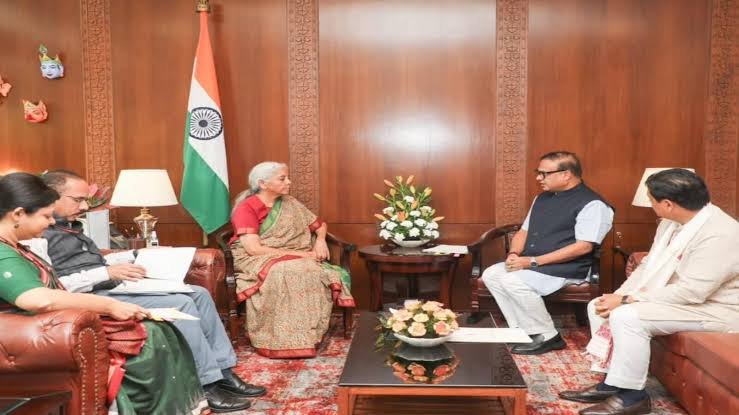
The Meghalaya Assam Border Talks have gained attention as ministers from both states hold informal discussions over issues linked to phase-2 border transit arrangements. The talks aim to address practical concerns affecting movement and coordination in disputed border areas. Moreover, the informal engagement reflects continued efforts by both governments to manage sensitive border-related matters through dialogue. The discussions could help build understanding before the states move toward further consultations on unresolved issues.
Vigilance Awareness Programme Tripura Begins Under Probity for Prosperity Campaign
Meghalaya Assam Border Talks Address Transit Concerns
The Meghalaya Assam Border Talks focus on phase-2 transit issues that require coordination between the two neighbouring states. Border areas often involve communities that depend on regular movement for work, trade, education and essential services.
Therefore, practical transit arrangements can become an important part of wider border discussions.
Moreover, informal talks allow ministers to exchange views without immediately moving every issue into a formal negotiation process. This approach can help both sides identify areas where administrative coordination may provide immediate relief.
Meanwhile, officials and local administrations can play an important role in implementing any understanding reached between the states.
Furthermore, transit-related concerns can involve roads, checkpoints, transportation and movement through areas where administrative boundaries remain sensitive.
The ministers’ discussions consequently highlight the importance of addressing day-to-day concerns alongside broader efforts to resolve the inter-state boundary dispute.
However, informal talks do not necessarily represent a final settlement. Instead, they can create a foundation for more structured discussions.
Phase-2 Border Transit Issues Take Centre Stage
The Meghalaya Assam Border Talks bring particular attention to phase-2 transit arrangements. Both Meghalaya and Assam share a long and historically complex boundary, which has produced disputes in several areas.
Therefore, authorities must consider both administrative requirements and the interests of local communities while discussing transit arrangements.
Moreover, phase-2 issues can require coordination between multiple departments. Transport, home affairs, district administration and local authorities may all have roles in ensuring smooth movement.
Additionally, officials need to consider how proposed arrangements could affect residents who regularly cross areas near the inter-state boundary.
Meanwhile, informal ministerial discussions can help identify practical difficulties before authorities develop detailed administrative measures.
Such discussions can also reduce misunderstandings between the two states.
Furthermore, maintaining communication remains important because border disputes can involve competing claims, historical concerns and strong local sentiments.
Consequently, regular dialogue can help prevent individual transit-related disagreements from escalating into larger political disputes.
The latest discussions therefore represent another step in managing practical border concerns while both states continue working toward longer-term solutions.
Ministers Use Dialogue to Manage Border Issues
The Meghalaya Assam Border Talks also demonstrate the role of political dialogue in managing sensitive inter-state matters.
Border disputes rarely depend on a single issue. Instead, they can involve land claims, administrative jurisdiction, local identity, infrastructure and the movement of people.
Therefore, ministers from both states need to maintain communication while addressing individual concerns.
Moreover, informal meetings can create space for direct discussions between political representatives. Such engagement may help both sides understand the concerns emerging at the ground level.
Additionally, local communities remain important stakeholders in any border-related process.
Residents living near disputed areas often experience the practical effects of administrative disagreements more directly than people elsewhere.
Meanwhile, governments need to ensure that any transit arrangements remain transparent and practical for affected communities.
Furthermore, improved coordination between district administrations can complement discussions between state ministers.
However, dialogue alone cannot immediately resolve every aspect of the boundary dispute.
A comprehensive settlement requires continued negotiations, administrative coordination and consideration of local interests.
Consequently, the informal talks should be viewed as part of a continuing process rather than a final resolution of the Meghalaya-Assam boundary issue.
Meghalaya Assam Border Talks Could Support Further Cooperation
The Meghalaya Assam Border Talks could provide an opportunity to strengthen cooperation on issues that directly affect border communities.
Moreover, practical arrangements for movement can improve coordination even while larger territorial questions remain under discussion.
Both states can benefit from clearly defined administrative procedures that reduce confusion for residents and travellers.
Furthermore, regular communication can help authorities respond more quickly when transit-related problems emerge.
Meanwhile, cooperation on roads, public services and local administration could complement broader boundary negotiations.
Therefore, the success of phase-2 discussions will depend not only on political dialogue but also on effective implementation of any mutually accepted arrangements.
Additionally, continued engagement can help maintain trust between the neighbouring governments.
The border issue remains politically sensitive, so authorities must approach each stage carefully and keep community concerns in consideration.
However, sustained dialogue offers a constructive way to address disagreements without allowing individual issues to disrupt relations between Meghalaya and Assam.
The latest ministerial engagement consequently highlights the importance of practical cooperation alongside the search for a broader settlement.
If both governments maintain regular communication, phase-2 transit discussions could contribute to more coordinated management of border areas.
Conclusion
The Meghalaya Assam Border Talks over phase-2 transit issues highlight the continuing importance of dialogue between the two neighbouring states. Ministers have used informal discussions to address practical concerns surrounding movement and border administration. Moreover, the talks could help identify workable arrangements while broader boundary questions remain unresolved. Continued cooperation, administrative coordination and attention to local communities will remain important as Meghalaya and Assam pursue further discussions.
FAQs
1. What are the Meghalaya Assam Border Talks about?
The talks focus on phase-2 border transit issues and practical coordination between Meghalaya and Assam.
2. Why are transit arrangements important in border areas?
Transit arrangements can affect residents’ movement, transportation, work, education and access to essential services.
3. Have the talks resolved the Meghalaya-Assam boundary dispute?
No. Informal discussions on transit issues do not by themselves represent a final settlement of the wider boundary dispute.
4. Why are informal ministerial talks significant?
They provide an opportunity for ministers to directly discuss practical concerns and explore areas for cooperation.
5. What could happen after the Meghalaya Assam Border Talks?
Further administrative consultations and structured discussions could follow, depending on the understanding reached by both states.