




The TTAADC Financial Autonomy Demand has emerged as a key issue during the autumn session as the Tripura Tribal Areas Autonomous District Council seeks greater financial independence from the state government. The demand focuses on strengthening the council’s ability to manage development funds and implement programmes for indigenous communities. Moreover, greater financial flexibility could help the council respond more directly to local priorities. The issue may also influence discussions between the autonomous council and the Tripura government over administrative and fiscal responsibilities.
Vigilance Awareness Programme Tripura Begins Under Probity for Prosperity Campaign
TTAADC Financial Autonomy Demand Takes Centre Stage
The TTAADC Financial Autonomy Demand reflects the council’s efforts to secure greater control over its financial resources.
The Tripura Tribal Areas Autonomous District Council, commonly known as TTAADC, plays an important role in administering designated tribal areas of the state.
Therefore, financial autonomy remains closely connected with the council’s ability to plan and implement development initiatives.
Moreover, greater control over funds could allow the council to prioritise projects according to local requirements.
The demand also highlights the broader question of how autonomous institutions can effectively exercise their responsibilities.
Additionally, adequate and predictable funding can help councils prepare development programmes with greater certainty.
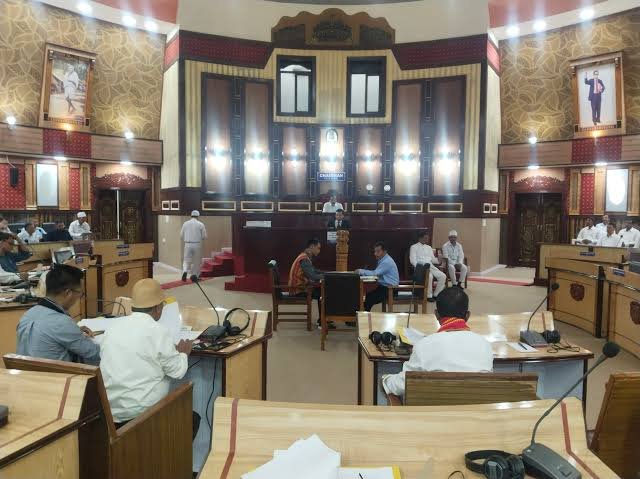
Meanwhile, the autumn session provides a formal platform for representatives to raise issues concerning governance and financial administration.
The demand consequently places fiscal powers among the important subjects under discussion.
However, greater autonomy does not necessarily mean complete financial independence from the state.
Instead, discussions may focus on improving the flow of funds, increasing flexibility and strengthening the council’s role in financial decision-making.
Tribal Council Seeks Greater Control Over Resources
The TTAADC Financial Autonomy Demand also connects financial powers with development priorities in tribal areas.
TTAADC oversees areas where communities have specific social, cultural and economic needs.
Therefore, council representatives argue that stronger financial authority could help them respond more efficiently to local development requirements.
Moreover, greater control over resources could support planning for infrastructure, education, healthcare and other public services within the council’s jurisdiction.
Additionally, predictable funding can help reduce uncertainty when authorities prepare annual development programmes.
Meanwhile, financial autonomy requires effective accountability and transparent management of public resources.
The council would need strong systems for budgeting, expenditure monitoring and reporting.
Furthermore, coordination with the state government would remain important even if the council gains greater financial flexibility.
Many development programmes require cooperation between different levels of government.
Consequently, the debate involves both financial authority and institutional coordination.
However, any changes to the existing financial arrangement would need to follow the applicable constitutional and legal framework.
The autumn session can therefore provide an opportunity to examine these issues in greater detail.
Autumn Session Highlights Governance and Fiscal Issues
The TTAADC Financial Autonomy Demand has gained attention because the autumn session offers a platform for discussing governance concerns affecting the autonomous council.
The session can allow elected representatives to raise questions about funding, development programmes and administrative responsibilities.
Moreover, financial arrangements can directly influence the speed and scope of development work.
Therefore, representatives may seek clearer mechanisms for transferring funds and greater flexibility in deciding how resources support local priorities.
Additionally, stronger financial systems can help improve long-term planning.
The council can potentially develop projects more effectively when it has greater certainty over available resources.
Meanwhile, the state government also has to consider broader fiscal responsibilities and the need to maintain coordination across Tripura.
A balanced approach could therefore require dialogue between the council and the state administration.
Furthermore, transparency would remain essential if authorities expand the council’s financial powers.
Clear budgeting procedures and public accountability can help ensure that additional autonomy produces measurable development outcomes.
However, the financial autonomy debate forms part of a wider discussion about the functioning of autonomous institutions in India.
Consequently, the TTAADC issue carries significance beyond individual funding demands.
It raises questions about how constitutional autonomy can translate into practical administrative and financial capacity.
TTAADC Financial Autonomy Demand Could Shape Future Discussions
The TTAADC Financial Autonomy Demand could influence future discussions between the autonomous council and the Tripura government.
Greater financial flexibility could allow TTAADC to respond more quickly to local development priorities.
Moreover, a clearer financial framework could improve planning and reduce uncertainty around project implementation.
Additionally, both sides could explore mechanisms that balance autonomy with accountability.
Such arrangements could include transparent fund allocation, regular financial reporting and stronger monitoring systems.
Meanwhile, cooperation between the council and state departments would remain important for projects involving multiple administrative jurisdictions.
Therefore, greater financial autonomy would work most effectively alongside clear institutional responsibilities.
Furthermore, discussions during the autumn session could help identify areas where existing arrangements require improvement.
However, reaching an agreement may require detailed consideration of legal, constitutional and financial factors.
The council’s demand therefore represents an important part of the wider conversation about indigenous governance and development in Tripura.
If both sides maintain constructive dialogue, they could potentially develop a framework that gives TTAADC greater financial flexibility while maintaining appropriate oversight.
Ultimately, the issue highlights the connection between political autonomy and practical financial capacity.
A stronger financial framework could help the council pursue development priorities more effectively while ensuring responsible use of public funds.
Conclusion
The TTAADC Financial Autonomy Demand has placed fiscal independence and development funding among the important issues during Tripura’s autumn session. The Tripura Tribal Areas Autonomous District Council seeks greater financial flexibility from the state government to strengthen its ability to address local priorities. Moreover, any expansion of financial powers will require accountability, transparency and coordination. Continued discussions between TTAADC and the state government could determine how the council’s financial role evolves.
FAQs
1. What is the TTAADC Financial Autonomy Demand?
It refers to the Tripura Tribal Areas Autonomous District Council’s demand for greater control and flexibility over financial resources.
2. Why does TTAADC seek greater financial autonomy?
Greater financial flexibility could help the council plan and implement development programmes according to local priorities.
3. What issues can financial autonomy affect?
It can influence areas such as development planning, infrastructure, public services and the allocation of resources within the council’s jurisdiction.
4. Does financial autonomy mean complete independence from the state government?
Not necessarily. Financial autonomy can involve greater flexibility and decision-making authority while maintaining coordination and accountability with the state.
5. Why is the autumn session important for the demand?
The session provides a formal platform for representatives to discuss governance, funding and administrative issues affecting TTAADC.