



Meghalaya Chief Minister Conrad K. Sangma has backed the state’s rollout of patriotic initiatives featuring special handloom Eri Silk Tricolours, combining national symbolism with Meghalaya’s rich weaving traditions. The initiative aims to highlight local craftsmanship while supporting the state’s handloom sector during National Handloom Day celebrations.
The government-supported production of Eri Silk Tirangas offers a distinctive regional interpretation of the national flag. Moreover, the initiative can provide greater visibility to Meghalaya’s traditional textile skills and encourage demand for locally produced handloom goods.
The move also connects cultural heritage with public participation in nationwide patriotic campaigns. Furthermore, promoting Eri silk through an official initiative could create opportunities for weavers, artisans, and handloom cooperatives across the state.
109-Km Boundary Mapping: Joint Teams Begin Technical Review
Meghalaya Promotes Eri Silk Tirangas
The Meghalaya government has supported the production of special Eri Silk Tricolours as part of its National Handloom Day initiatives.
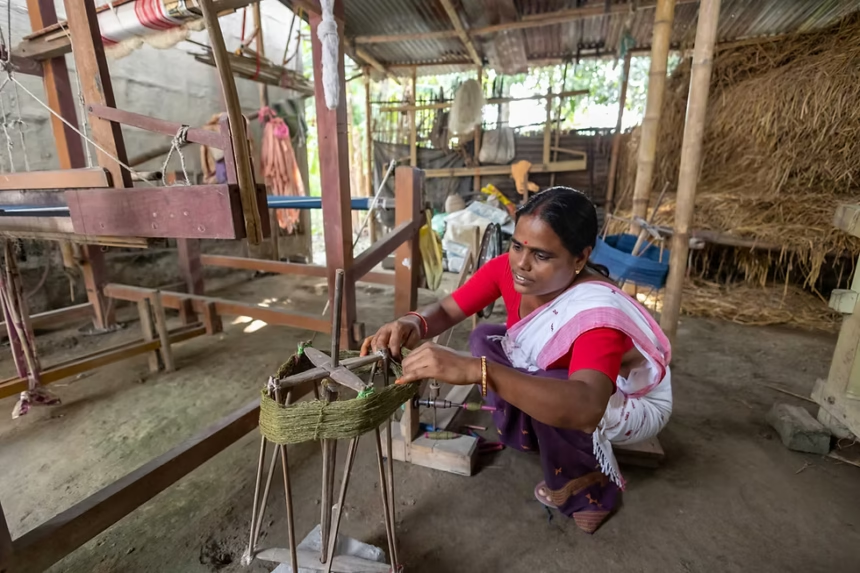
Eri silk holds an important place in the state’s textile traditions, with local artisans using traditional skills to produce distinctive handwoven fabrics. Additionally, using Eri silk for Tricolours gives Meghalaya’s handloom sector a visible role in a national celebration.
The initiative therefore combines cultural identity with patriotic participation.
However, the success of the programme will depend on sustained support for artisans beyond a single campaign.
Conrad Sangma Highlights Handloom Heritage
Chief Minister Conrad K. Sangma has been associated with efforts to strengthen Meghalaya’s handloom and handicraft sectors.
The Eri Silk Tricolour initiative places local weaving traditions at the centre of the state’s National Handloom Day activities. Moreover, it gives artisans an opportunity to demonstrate how traditional materials can serve contemporary purposes.
Such initiatives can also increase public awareness of Meghalaya’s textile heritage.
Furthermore, government-backed campaigns can help connect artisans with wider markets.
Eri Silk Reflects Meghalaya’s Textile Tradition
Eri silk, often associated with northeastern India’s traditional weaving culture, has strong links with Meghalaya’s handloom communities.
Artisans traditionally transform Eri fibres into fabrics using established local techniques. Additionally, the material’s distinctive texture and natural qualities make it an important component of the region’s textile heritage.
Using Eri silk for Tricolours adds a local dimension to the national flag campaign.
However, preserving traditional craftsmanship requires continued investment in skills, raw materials, and market access.
National Handloom Day Creates Platform
National Handloom Day provides an opportunity to recognise India’s weaving communities and promote handloom products.
Meghalaya’s participation allows the state to showcase its own textile traditions within the broader national programme. Moreover, featuring Eri Silk Tirangas can draw attention to artisans who maintain traditional weaving practices.
The initiative can therefore serve both cultural and economic objectives.
Additionally, increased visibility can encourage consumers to explore locally produced handloom textiles.
Tribal Heritage Takes Centre Stage
The initiative connects Meghalaya’s handloom traditions with its wider tribal cultural heritage.
Traditional weaving remains an important part of cultural expression across communities in the state. Furthermore, handwoven textiles often carry distinctive designs, techniques, and knowledge passed between generations.
The Eri Silk Tricolour provides a contemporary platform for that heritage.
However, cultural promotion works best when artisans themselves remain central to production and decision-making.
Government Support Could Benefit Weavers
Official backing can create additional opportunities for Meghalaya’s handloom producers.
Government procurement and promotional campaigns can provide artisans with new markets and greater visibility. Moreover, organised demand can encourage weavers to maintain production and traditional skills.
The initiative could therefore contribute to the broader handloom economy.
However, long-term benefits will require programmes that continue after National Handloom Day.
Local Craft Meets National Symbolism
The Eri Silk Tirangas combine a nationally recognised symbol with a locally distinctive material.
This approach allows Meghalaya to participate in patriotic campaigns while highlighting its own cultural identity. Additionally, the initiative demonstrates how traditional craftsmanship can adapt to public events and contemporary uses.
The combination gives the campaign a strong regional character.
Furthermore, it can encourage conversations about the diversity of India’s handloom traditions.
Opportunities for Meghalaya’s Handloom Sector
Meghalaya’s handloom industry has potential to benefit from greater exposure.
Products made from Eri silk can appeal to consumers seeking traditional and locally produced textiles. Moreover, government promotion can help connect artisans with institutional buyers, exhibitions, tourism markets, and digital platforms.
The Tricolour initiative could therefore provide a promotional opportunity.
However, producers will need reliable supply chains and fair returns to sustain growth.
Traditional Skills Need Continued Protection
Handloom traditions depend heavily on skilled artisans.
Younger generations may need incentives and training to continue traditional weaving practices. Additionally, access to modern markets can help make handloom production economically viable.
Programmes that combine cultural preservation with income opportunities can therefore have broader benefits.
However, government campaigns should complement rather than replace long-term skill-development programmes.
Eri Silk Can Strengthen Cultural Branding
The initiative also offers Meghalaya an opportunity to strengthen its identity as a destination for traditional textiles.
Distinctive Eri silk products can contribute to cultural tourism and regional branding. Furthermore, showcasing locally produced Tricolours can introduce visitors and consumers to Meghalaya’s broader handloom traditions.
This could create demand for products beyond the patriotic campaign.
However, effective branding will require consistent quality and reliable artisan networks.
National Campaign Gains Regional Character
The nationwide patriotic campaign takes on a distinctive form through Meghalaya’s participation.
Instead of relying only on conventional flag-production methods, the state is highlighting local handloom expertise. Moreover, the use of Eri silk demonstrates how national events can accommodate regional traditions.
This approach can strengthen cultural visibility without separating local identity from national celebrations.
Furthermore, it creates a platform for Meghalaya’s artisans to reach a wider audience.
Economic Potential for Artisans
Greater demand for handloom products can support artisan incomes.
If the initiative generates sustained interest in Eri silk, weavers could benefit from additional orders and promotional opportunities. Additionally, government-backed procurement can provide predictable demand during the campaign period.
The wider challenge remains ensuring that artisans receive an appropriate share of the value generated.
Therefore, transparent procurement and fair compensation will remain important.
What Happens Next?
The state’s National Handloom Day activities will provide a platform for showcasing the Eri Silk Tricolours.
Authorities can use the campaign to promote Meghalaya’s handloom products and connect artisans with consumers. Moreover, the initiative could become a starting point for broader programmes supporting traditional textile production.
The long-term impact will depend on whether interest continues after the celebrations.
However, sustained promotion could help convert a one-day campaign into a wider handloom opportunity.
Conclusion
The Meghalaya Eri Silk Tirangas initiative brings together national patriotic participation and the state’s distinctive handloom heritage. With Chief Minister Conrad K. Sangma backing the rollout, the special handloom Tricolours are positioned as a way to showcase Meghalaya’s traditional weaving skills during National Handloom Day.
Moreover, the initiative can provide greater visibility to Eri silk, support local artisans, and strengthen awareness of Meghalaya’s textile traditions. At the same time, sustained benefits will require continued investment in weaver training, market access, fair compensation, and promotion beyond the national campaign.
Overall, the Eri Silk Tricolours offer Meghalaya a distinctive way to celebrate National Handloom Day while placing tribal and traditional craftsmanship at the heart of the programme.
FAQs
1. What are Meghalaya’s Eri Silk Tirangas?
They are special handloom Tricolours produced using Eri silk as part of Meghalaya’s National Handloom Day initiatives.
2. Why is Eri silk significant?
Eri silk forms part of the traditional textile heritage of Meghalaya and the wider Northeast, where artisans have developed distinctive weaving practices around the fibre.
3. Who is supporting the initiative?
The Meghalaya government, under Chief Minister Conrad K. Sangma, is backing the initiative as part of the state’s National Handloom Day activities.
4. How could the initiative help artisans?
Government promotion and procurement can increase visibility, create demand, and potentially provide additional market opportunities for local weavers.
5. Why is the initiative culturally significant?
It combines a national symbol with Meghalaya’s traditional handloom craftsmanship, allowing the state to showcase its textile and tribal heritage during a nationwide celebration.