





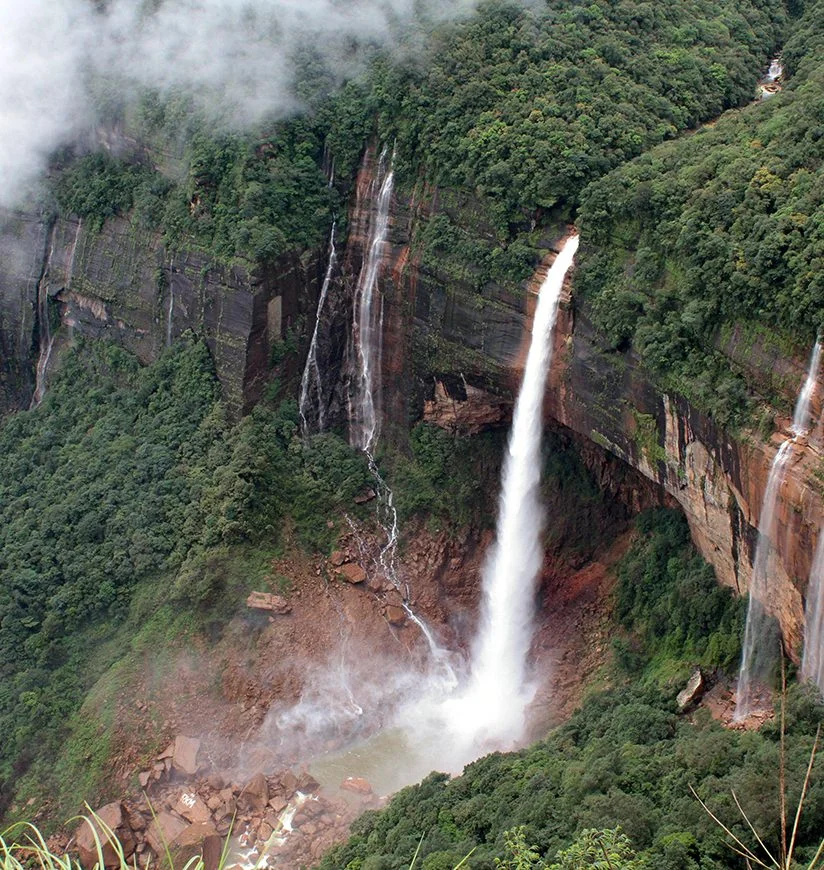
The Ministry of Environment, Forest and Climate Change (MoEFCC) and the National Biodiversity Authority (NBA) have launched a five-year biodiversity conservation project in the Garo Hills region of Meghalaya. The initiative, supported by USD 4.88 million from the Global Environment Facility and the United Nations Development Programme, will run from 2025 to 2030.
It focuses on strengthening grassroots governance, empowering communities, and integrating biodiversity conservation into development planning. Moreover, it will cover key ecological sites such as Nokrek Biosphere Reserve, Balpakram National Park, and Siju Wildlife Sanctuary.
Read More: Urgent School Closures Due Heat Announced Statewide – Hindustan Pioneer
Key Facts
- Project Name: Strengthening Institutional Capacities for Securing Biodiversity Conservation Commitments
- Duration: 2025–2030
- Funding: USD 4.88 million
- Funding Agencies: Global Environment Facility (GEF), UNDP
- Implementing Bodies: MoEFCC and NBA
- Location: Garo Hills, Meghalaya
- Key Sites: Nokrek Biosphere Reserve, Balpakram National Park, Siju Wildlife Sanctuary
- Focus Areas: Community-led conservation, biodiversity governance, livelihood support
Project Overview
The Ministry of Environment, Forest and Climate Change, along with the National Biodiversity Authority, has introduced a major biodiversity conservation initiative in Garo Hills. The project aims to strengthen institutional capacity and improve conservation practices at the grassroots level.
Furthermore, the programme connects conservation goals with local governance systems. Officials believe this approach will improve planning and ensure better implementation across communities.
Focus on Key Ecological Sites
The project targets ecologically rich areas such as Nokrek Biosphere Reserve, Balpakram National Park, and Siju Wildlife Sanctuary. These sites contain diverse flora and fauna and play a critical role in maintaining ecological balance.
In addition, these landscapes include government forests and Reserve Forests, which makes community participation essential. Therefore, the project encourages local communities to take an active role in conservation efforts.
Strengthening Local Governance
The initiative integrates biodiversity conservation into development planning through Village Employment Councils (VECs). These councils act as grassroots governance institutions and help implement local plans effectively.
At the same time, the project strengthens Biodiversity Management Committees (BMCs). It also promotes coordination among forest departments, local authorities, and community groups. As a result, stakeholders can work together more efficiently.
Livelihood and Financial Support
The project promotes sustainable livelihood opportunities linked to conservation. For example, it encourages Access and Benefit Sharing (ABS) mechanisms, CSR contributions, and green micro-enterprises.
Additionally, these financial models create incentives for communities to protect biodiversity. Consequently, conservation efforts can generate income while preserving natural resources.
Capacity Building and Inclusion
The programme includes training and capacity-building initiatives for local communities. It also documents traditional ecological knowledge for future use and replication.
Importantly, the project ensures the participation of women, Scheduled Castes, and tribal communities. This inclusive approach strengthens social equity and improves long-term sustainability.
Alignment with National and Global Goals
The initiative aligns with India’s National Biodiversity Strategy and Action Plan (2024–2030). Moreover, it supports international biodiversity and climate commitments.
Thus, the project not only addresses local conservation needs but also contributes to global environmental goals.
Q&A Section
What is the project about?
The project focuses on strengthening biodiversity conservation and governance in Garo Hills.
Who is funding the project?
The Global Environment Facility (GEF) and the United Nations Development Programme (UNDP) are funding it.
When will the project run?
It will run from 2025 to 2030.
Which areas are included?
The project includes Nokrek Biosphere Reserve, Balpakram National Park, and Siju Wildlife Sanctuary.
How will communities benefit?
Communities will gain livelihood opportunities through green enterprises and conservation-based initiatives.
Location Context
Meghalaya, located in Northeast India, is known for its rich biodiversity and strong community-led conservation traditions. Therefore, regions like Garo Hills play a vital role in India’s environmental sustainability. crucial for India’s environmental sustainability efforts.
Also Read: Political Protests Massive Women March Challenges Opposition Stand – Borok Times