






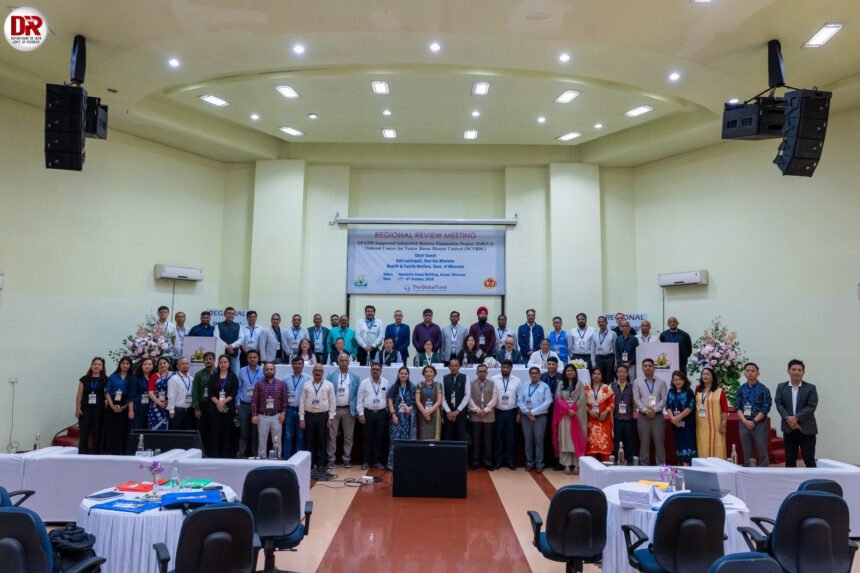
Central medical teams have begun verifying the reported elimination of active malaria pockets along eastern Mizoram’s border areas. The exercise focuses on assessing disease surveillance, checking local health records and reviewing measures used to control malaria transmission.
The verification marks an important stage in the state’s efforts to reduce malaria cases in vulnerable communities. Border villages require particular attention because population movement and geographical conditions can complicate disease monitoring.
Moreover, effective malaria control depends on early diagnosis, timely treatment and continuous surveillance. Medical teams must examine local conditions before confirming whether transmission has stopped in previously affected areas.
The exercise also highlights the importance of coordination between central health authorities and Mizoram’s medical teams.
Gauhati High Court Quashes Pranab Doley’s NSA Detention
Central Medical Teams Review Malaria Control Measures
Central medical teams are assessing malaria control activities across selected eastern border areas of Mizoram. Their verification work focuses on determining whether previously active malaria pockets continue to report local transmission.
The teams may review health records, surveillance reports and information from local healthcare facilities. They can also examine the availability of diagnostic services and treatment arrangements.
Furthermore, field assessments can help officials identify gaps that routine reporting may overlook.
Accurate verification remains important because a decline in reported cases does not automatically confirm the interruption of malaria transmission. Health authorities must examine the available evidence before declaring an area free from active transmission.
Eastern Border Villages Require Continued Surveillance
Eastern Mizoram’s border communities face specific challenges in healthcare delivery and disease monitoring.
Some villages are located in remote areas with difficult road access. Consequently, residents may experience delays in reaching diagnostic facilities.
Population movement across border regions can also complicate surveillance. Health authorities need reliable systems to identify infections and prevent further transmission.
Moreover, seasonal weather conditions can influence mosquito breeding and malaria risks.
Continuous monitoring helps medical teams identify possible cases before transmission spreads. It also allows health workers to respond quickly when they detect infections.
Field Verification Supports Accurate Disease Assessment
Field verification plays an important role in assessing malaria elimination efforts.
Medical teams can compare reported figures with local health records and surveillance information. They may also examine whether healthcare workers continue to conduct regular testing.
In addition, teams can review the availability of rapid diagnostic tests, medicines and other essential supplies.
Such checks help determine whether communities can access timely diagnosis and treatment.
Officials may also examine how local health workers report suspected cases. Reliable reporting allows authorities to identify emerging risks and respond without unnecessary delays.
Therefore, verification provides an opportunity to assess both disease trends and the quality of local healthcare systems.
Early Diagnosis and Treatment Remain Essential
Malaria control depends heavily on early diagnosis and appropriate treatment.
People with fever and other suspected symptoms should seek medical attention promptly. Health workers can use approved diagnostic methods to identify malaria infections.
Once diagnosed, patients should receive treatment according to medical guidelines.
Furthermore, timely treatment helps reduce the risk of severe illness and limits the period during which infected individuals can contribute to transmission.
Healthcare facilities must maintain adequate diagnostic supplies and essential medicines. They should also ensure that patients complete their prescribed treatment.
Community awareness remains equally important. Residents need clear information about symptoms, testing and prevention.
Mosquito Control Measures Support Prevention
Preventing mosquito bites remains a key part of malaria control.
Health authorities commonly promote the use of insecticide-treated mosquito nets in areas with malaria risks. They may also support indoor residual spraying where local conditions and public health guidelines recommend it.
Removing stagnant water and improving environmental sanitation can help reduce mosquito breeding opportunities.
However, mosquito control requires regular monitoring and community participation.
Residents should follow health department guidance and report suspected malaria cases quickly. Local health workers can also explain preventive measures during village visits.
These activities can help protect households, particularly children and other vulnerable residents.
Border Coordination Can Strengthen Disease Surveillance
Malaria control in border regions requires cooperation between different levels of healthcare administration.
Local health facilities need to communicate regularly with district and state authorities. Central medical teams can support this process through technical guidance and verification.
Moreover, cross-border population movement makes reliable disease surveillance especially important.
Health authorities can strengthen preparedness through information sharing, early testing and coordinated responses to suspected cases.
However, such cooperation must follow established public health procedures and protect patient confidentiality.
Improved coordination can help prevent isolated infections from developing into wider transmission clusters.
Mizoram’s Malaria Elimination Efforts Need Sustained Attention
Verification of previously active malaria pockets represents one part of a wider disease-control effort.
Even when local transmission declines, health authorities must maintain surveillance. Imported infections and changing environmental conditions can create new risks.
Therefore, medical teams need to continue testing suspected cases and monitoring vulnerable communities.
Regular training can also help frontline workers identify infections and report them accurately.
In addition, reliable transport and medicine supplies remain important for remote healthcare facilities.
Sustained investment in these areas can help protect the progress achieved through malaria-control programmes.
Conclusion
The central medical teams’ verification exercise in eastern Mizoram focuses on confirming the reported elimination of active malaria pockets along the border. The assessment highlights the importance of reliable surveillance, early diagnosis and effective treatment.
However, continued monitoring remains essential even after transmission declines. Strong local healthcare services and coordination between central and state authorities can help protect vulnerable communities and support long-term malaria elimination efforts.
FAQs
1. What are central medical teams verifying in Mizoram?
They are verifying the reported elimination of active malaria pockets across eastern border areas.
2. Why are border areas important for malaria surveillance?
Remote locations and population movement can make disease monitoring more challenging.
3. How do medical teams assess malaria control progress?
They can review health records, surveillance reports, diagnostic services and field conditions.
4. Why is early malaria diagnosis important?
Early diagnosis helps patients receive timely treatment and reduces the risk of further transmission.
5. How can residents prevent malaria?
Residents can use recommended mosquito nets, follow local prevention guidance and seek testing when symptoms appear.
6. Does the elimination of active malaria pockets end the need for surveillance?
No. Continued monitoring helps detect new or imported infections and protects previous disease-control progress.