


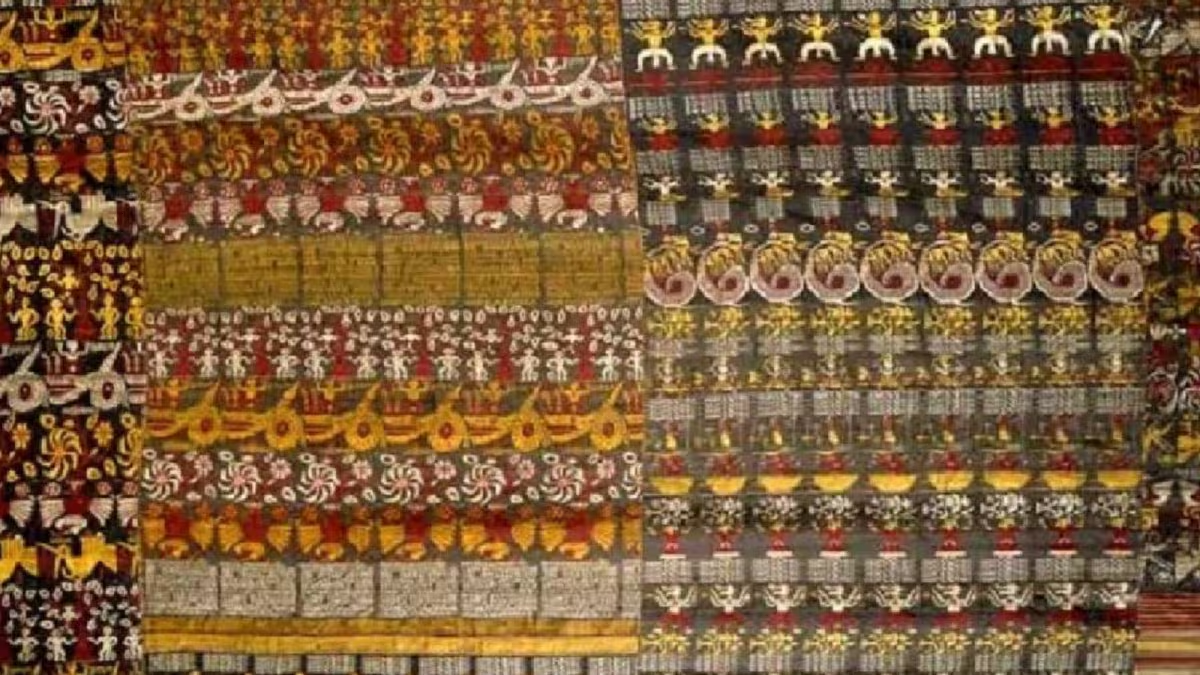

Assam’s efforts to bring the historic Vrindavani Vastra back from London have reached an important milestone. The Government of Assam signed an agreement with the British Museum in November 2025 for a temporary loan of the treasured textile. The centuries-old silk artwork is expected to return to Assam for a public exhibition in 2027. Meanwhile, the state has started preparing a dedicated museum in Guwahati to meet international conservation requirements. The development has renewed attention towards Assam’s rich artistic, spiritual and weaving traditions. It also creates an opportunity for people to experience an important part of their cultural heritage.
Gauhati High Court Quashes Pranab Doley’s NSA Detention
Assam Secures Temporary Loan Agreement
The Government of Assam signed a Letter of Intent with the British Museum in London on November 17, 2025. The agreement established a framework for bringing the Vrindavani Vastra to Assam under a temporary loan arrangement.
Chief Minister Himanta Biswa Sarma attended the signing during his visit to London. The agreement followed earlier discussions between the state government and museum authorities.
The proposed arrangement will allow people in Assam to view the historic textile in its place of origin. However, the British Museum will retain ownership of the artefact.
The agreement marks a significant step in Assam’s efforts to reconnect with an important cultural object. It also reflects cooperation between the state government and an international museum.
The planned exhibition in 2027 will depend on the completion of the necessary conservation and security arrangements.
Historic Textile Reflects Srimanta Sankardeva’s Legacy
The Vrindavani Vastra holds an important place in Assam’s religious and artistic history. The silk textile is traditionally associated with the 16th-century neo-Vaishnavite saint and reformer Srimanta Sankardeva.
The artwork depicts episodes from the life of Lord Krishna. Its intricate designs reflect the devotional traditions and textile craftsmanship associated with Assam’s Vaishnavite movement.
The textile also demonstrates the artistic skills of Assamese weavers. Its visual storytelling combines religious themes with traditional weaving techniques.
Sankardeva played a central role in shaping Assam’s cultural and spiritual identity. His teachings influenced literature, music, theatre, religious institutions and visual traditions.
Consequently, the Vrindavani Vastra represents more than an example of historic textile production. It also carries cultural significance for communities connected with Assam’s Vaishnavite heritage.
How the Textile Reached the British Museum
The historic textile eventually entered the collection of the British Museum in London. Historical accounts indicate that parts of the artwork travelled to Tibet during the 17th or 18th century.
British explorers later encountered Assamese textiles in the region. The Vrindavani Vastra subsequently entered the British Museum’s collection in the early 20th century.
Its history reflects the movement of cultural objects across regions and international museum collections. Researchers have also examined its origins and artistic significance.
The proposed loan will provide an opportunity for visitors in Assam to study the textile more closely. It will also help introduce younger generations to the state’s historic weaving traditions.
However, the temporary arrangement does not amount to permanent repatriation. The British Museum will continue to own the artefact.
Guwahati Museum Project Moves Forward
Assam has begun developing a dedicated facility to host the Vrindavani Vastra. Chief Minister Himanta Biswa Sarma laid the foundation stone for the cultural museum project at Khanapara, Guwahati, on February 22, 2026.
The proposed facility aims to meet the British Museum’s requirements for displaying the fragile textile. These include suitable environmental conditions, security arrangements and conservation facilities.
The state has allocated land near the Sericulture Department in Khanapara. The project also involves support from the JSW Group under its corporate social responsibility initiative.
The museum will provide a specialised space for the textile’s exhibition. Moreover, the project could strengthen Guwahati’s cultural infrastructure.
Its development is an essential part of the loan arrangement. The British Museum must be satisfied that the facility can protect the artefact during transportation, display and storage.
Conservation Conditions Shape the Exhibition Plan
The Vrindavani Vastra requires careful handling because of its age and fragile textile structure. Therefore, the exhibition cannot proceed without strict conservation arrangements.
The British Museum has emphasised environmental and security standards. These requirements may include controlled temperature, humidity, lighting and visitor access.
Such measures help reduce deterioration during public display. They also protect the textile from damage caused by unsuitable environmental conditions.
There is also a difference in reported exhibition durations. Assam’s announcements have referred to an 18-month loan arrangement.
However, an art-industry report published in February 2026 indicated that the British Museum may limit public display to six months. The report cited the textile’s fragile condition and the museum’s conservation practices.
Therefore, the final public exhibition period should follow the confirmed loan and conservation conditions. The distinction between the loan period and the actual display period remains important.
Exhibition Could Strengthen Assam’s Cultural Tourism
The proposed return could attract visitors, researchers, students and cultural enthusiasts. People will have an opportunity to see a historic textile closely associated with Assam’s artistic traditions.
The exhibition may also encourage greater interest in traditional weaving. Visitors could learn about the craftsmanship, religious narratives and cultural influences represented in the artwork.
Furthermore, the museum project could become an important cultural destination in Guwahati. It may complement other heritage institutions and tourism attractions across Assam.
The exhibition could also encourage academic discussions about Sankardeva’s legacy. Researchers may examine the textile’s historical journey, artistic features and conservation requirements.
However, these opportunities will depend on the museum’s readiness and the final exhibition arrangements.
A Wider Recognition of Assamese Heritage
The agreement has brought renewed international attention to Assam’s cultural history. It has also highlighted the importance of preserving traditional art and historical objects.
The Vrindavani Vastra connects Assamese weaving with the wider history of devotional art. Its proposed exhibition could help international visitors understand the region’s cultural traditions.
Meanwhile, the museum project reflects the importance of professional conservation infrastructure. Historic textiles require specialised care to remain accessible to future generations.
The initiative also demonstrates how international museum cooperation can support cultural exchanges. Temporary loans allow institutions to share important collections while maintaining conservation safeguards.
Conclusion
The planned return of the Vrindavani Vastra marks an important cultural milestone for Assam. The state signed a temporary loan agreement with the British Museum in November 2025. It also began preparations for a dedicated exhibition facility at Khanapara, Guwahati.
The historic textile is expected to reach Assam in 2027, subject to conservation and security requirements. Although the reported exhibition duration remains subject to clarification, the agreement has advanced efforts to reconnect the artwork with its cultural home.
The initiative highlights Assam’s commitment to preserving its artistic heritage. It also creates an opportunity to introduce Srimanta Sankardeva’s legacy to a wider audience.
FAQs
1. What is the Vrindavani Vastra?
The Vrindavani Vastra is a historic Assamese silk textile traditionally associated with Srimanta Sankardeva. It depicts episodes from the life of Lord Krishna.
2. Where is the Vrindavani Vastra currently kept?
The textile belongs to the collection of the British Museum in London.
3. When did Assam sign the loan agreement?
The Government of Assam signed a Letter of Intent with the British Museum on November 17, 2025.
4. When will the textile return to Assam?
The temporary loan arrangement targets a public exhibition in 2027, subject to the required conditions.
5. Where will the Vrindavani Vastra be displayed?
Assam is developing a dedicated cultural museum at Khanapara in Guwahati.
6. Will the British Museum permanently transfer ownership?
No. The current arrangement concerns a temporary loan for exhibition. The British Museum will retain ownership.