





Cold-water fish farming is gaining attention across Northeast India as researchers and fisheries departments explore new aquaculture opportunities. Arunachal Pradesh has emerged as an important location for rainbow trout farming, particularly in its high-altitude districts. Meanwhile, Assam continues to expand scientific fish production through improved farming methods and farmer training. Although no large-scale commercial cold-water breeding trial by Assam’s Fisheries Department has been confirmed, regional developments highlight growing interest in fisheries diversification. These initiatives could create additional livelihood opportunities, strengthen local fish production and encourage sustainable aquaculture across the Northeast.
Gauhati High Court Quashes Pranab Doley’s NSA Detention
Arunachal Pradesh Explores Commercial Rainbow Trout Farming
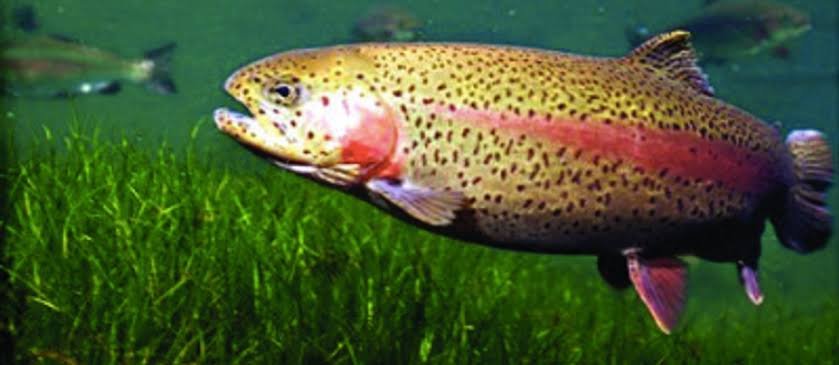
Arunachal Pradesh is exploring the commercial potential of rainbow trout farming in its high-altitude regions. Tawang district has attracted attention because of its cold-water resources and suitable mountain environment.
The Fisheries Department and the ICAR-Central Institute of Coldwater Fisheries Research (ICAR-CICFR), Bhimtal, have been examining opportunities to expand trout farming.
In May 2026, the two organisations held a consultative meeting under the Northeast Region Activity 2026–27. Around 20 fish farmers from different villages in Tawang participated.
The discussions examined the possibility of expanding commercial rainbow trout production. Scientists and fisheries officials also visited potential sites to assess water availability, environmental conditions and farming suitability.
The initiative aims to understand how local farmers could adopt scientific cold-water aquaculture. However, the assessment does not represent the launch of a large-scale commercial breeding programme.
Tawang’s Cold-Water Resources Attract Attention
Tawang offers several natural conditions that may support cold-water fish cultivation. Its high-altitude landscape includes mountain streams and numerous lakes.
Reports have highlighted the district’s potential for rainbow and brown trout farming. Fisheries authorities have also released trout seedlings into selected lakes.
Commercial trout farming has started attracting interest among local farmers. The development could help diversify livelihood activities in remote mountain communities.
Moreover, trout farming may connect with tourism-related businesses. Farmers could explore opportunities involving local fish products and visitor experiences.
However, commercial expansion requires careful site selection and scientific management. Water temperature, oxygen levels, fish health and feed availability all influence production.
Researchers must also consider the ecological impact of introducing or expanding fish populations in natural water bodies.
West Kameng Builds Skills in Trout Farming
West Kameng district has also recorded progress in cold-water fisheries training. In March 2026, a three-day programme on scientific rainbow trout farming concluded at Krishi Vigyan Kendra, Dirang.
The programme involved the Northeast regional centre of the National Fisheries Development Board. It focused on improving technical knowledge among farmers and unemployed young people.
Participants learned about site selection, raceway construction and scientific fish management. Experts also explained how farmers could develop trout farming as a commercial activity.
The programme included a field visit to a trout farm in Rungjapam village. Participants received practical exposure to fish grading, netting and water-quality testing.
Experts also discussed possible links between trout farming and local tourism. Such activities could help farmers explore additional income opportunities.
The training demonstrates how scientific support can help mountain communities develop specialised aquaculture.
Assam Strengthens Its Existing Fisheries Sector
Assam has a different fisheries profile, with extensive freshwater resources supporting conventional fish production.
According to the state’s Directorate of Fisheries, Assam has more than 2.70 lakh hectares of water resources. These include ponds, tanks, beels and other water bodies.
The Brahmaputra and Barak river systems also provide extensive freshwater resources. Their combined network includes approximately 11,214 kilometres of rivers and tributaries.
State fish production reached 5.29 lakh metric tonnes during 2024–25. The estimated nutritional demand stood at 5.34 lakh metric tonnes.
These figures highlight the importance of fisheries to Assam’s food supply and rural economy.
The department has focused on expanding fish farming areas and improving productivity. It has also promoted better farming practices and sustainable resource management.
However, these activities should not be confused with a confirmed commercial cold-water fish breeding trial.
Dhemaji Demonstration Promotes Scientific Fish Farming
Assam has also introduced scientific demonstrations to improve conventional fish production. In October 2026, the ICAR-Central Institute of Fisheries Education’s Kolkata Centre started a species-diversified carp polyculture demonstration in Dhemaji district.
The programme covered 25 farmers’ ponds under the institute’s North Eastern Hill scheme.
Participating farmers received fish fingerlings and pelleted feed. Scientists also provided technical guidance on pond preparation, stocking and post-stocking management.
The demonstration aims to improve productivity and farmers’ returns. It may also encourage more fish farmers to adopt scientific polyculture methods.
The programme is separate from cold-water fish breeding. It focuses on improving production through diversified carp farming in existing ponds.
Nevertheless, it reflects Assam’s continuing efforts to strengthen aquaculture through research and farmer participation.
Rainbow Trout and Mahseer Offer Regional Opportunities
Rainbow trout and golden mahseer are among the important species associated with cold-water fisheries in India.
Rainbow trout generally requires cool water and suitable oxygen conditions. Farmers commonly cultivate it in raceways and specialised aquaculture systems.
Golden mahseer also attracts scientific interest because of its ecological and commercial significance. Researchers have developed captive breeding techniques to improve fry production.
ICAR’s cold-water fisheries research institutions have worked on breeding systems and improved hatchery management. Their work supports conservation and possible commercial applications.
The Union Fisheries Ministry has also introduced model guidelines for cold-water fisheries development. These guidelines cover raceways, recirculatory aquaculture systems, hatcheries, feed mills and disease management.
Such infrastructure can support specialised fish farming in suitable mountain locations.
Central Schemes Support Cold-Water Fisheries
The Central Government supports fisheries development through the Pradhan Mantri Matsya Sampada Yojana and the Fisheries and Aquaculture Infrastructure Development Fund.
These programmes aim to improve fish production, hatcheries, processing facilities and market connections.
The government has also approved cold-water fisheries projects across Himalayan and hilly regions. Four dedicated cold-water clusters have been notified in Anantnag, Pithoragarh, Kargil and Kullu.
Meanwhile, Arunachal Pradesh and Nagaland have received attention through broader fisheries infrastructure initiatives.
The Integrated Aqua Park at Ziro in Arunachal Pradesh and the facility at Mokokchung in Nagaland are part of efforts to strengthen regional fisheries infrastructure.
These developments could support training, fish seed production, processing and marketing.
Scientific Research Remains Important for Expansion
Cold-water aquaculture requires specialised technical knowledge. Farmers must maintain suitable water conditions and monitor fish health throughout production.
Reliable hatcheries are also important because they provide healthy fish seed. In addition, feed availability and disease prevention influence commercial success.
Researchers must assess the environmental suitability of each proposed location. This is particularly important when projects involve natural lakes and mountain streams.
Market access also matters. Farmers need dependable transport and storage facilities to sell fresh fish.
Therefore, commercial expansion requires more than releasing fish seed or constructing farming units. It depends on coordinated support from researchers, government departments and local communities.
Conclusion
Cold-water fish farming is gaining attention across the Northeast, particularly in Arunachal Pradesh’s high-altitude districts. Tawang and West Kameng have recorded activities involving rainbow trout farming, scientific training and site assessment.
Assam continues to strengthen its fisheries sector through conventional fish production and scientific carp polyculture demonstrations. However, a large-scale commercial cold-water breeding trial by Assam’s Fisheries Department remains unverified.
The regional developments highlight the importance of research, infrastructure and farmer training. With suitable planning, specialised aquaculture could create new livelihood opportunities across the Northeast.
FAQs
1. Has Assam launched large-scale commercial cold-water fish breeding trials?
No official confirmation of such a programme was found. Assam has documented scientific fish-farming demonstrations, including carp polyculture in Dhemaji.
2. Which Northeastern state is exploring commercial rainbow trout farming?
Arunachal Pradesh is exploring rainbow trout farming, particularly in Tawang and West Kameng districts.
3. Why is Tawang suitable for cold-water fish farming?
Its high-altitude environment, mountain streams and cold-water resources offer potential conditions for trout cultivation.
4. Which organisation is supporting trout farming research?
ICAR-Central Institute of Coldwater Fisheries Research, Bhimtal, has supported scientific work and training.
5. What fish-farming initiative began in Dhemaji?
ICAR-CIFE’s Kolkata Centre started a species-diversified carp polyculture demonstration involving 25 farmers’ ponds in October 2026.
6. Which fish species are important for cold-water aquaculture?
Rainbow trout, golden mahseer and snow trout are among the important species considered for specialised cold-water fisheries.